



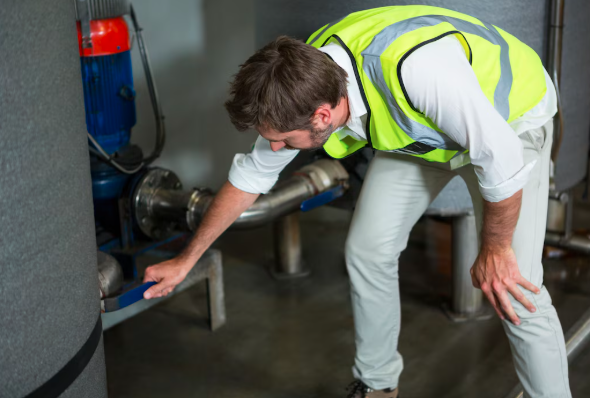
Water systems are designed to deliver clean, safe water for everyday use, but that safety can be compromised when pressure changes allow contaminated water to flow in the wrong direction. This phenomenon, known as backflow, poses serious health risks because it can introduce pollutants, chemicals, and bacteria into potable water supplies. To prevent this, properties rely on structured prevention systems that must be regularly inspected, maintained, and certified. That is where backflow testing, repair & compliance becomes essential for safeguarding water quality and ensuring regulatory adherence.
Backflow prevention is not just a technical requirement; it is a public health necessity. Whether in residential, commercial, or industrial settings, any connection between clean water systems and potential contamination sources must be carefully controlled. Without proper safeguards, even a minor pressure fluctuation in the water supply can reverse flow direction and allow unsafe substances to enter drinking water lines.
Understanding how backflow occurs, why testing is required, and how compliance systems work is crucial for maintaining safe and reliable water infrastructure.
Understanding Backflow and Why It Happens
Backflow occurs when water flows in the opposite direction of its intended path within a plumbing system. Under normal conditions, water moves from a clean supply source into a building’s plumbing network. However, changes in pressure can disrupt this balance, causing water to reverse direction and potentially carry contaminants into clean water lines.
There are two main causes of backflow: backpressure and back-siphonage. Backpressure happens when downstream pressure becomes greater than supply pressure, often due to pumps, boilers, or elevated systems within a building. Back-siphonage occurs when there is a sudden drop in supply pressure, such as during a water main break or heavy water usage by firefighting systems.
In both cases, the risk is the same: contaminated water can enter the potable water supply. This contamination may include chemicals from irrigation systems, cleaning agents, industrial fluids, or even wastewater. Because these contaminants are often invisible and odorless, backflow incidents can go unnoticed until testing reveals the issue.
Importance of Backflow Prevention Systems
To prevent contamination, plumbing systems are equipped with backflow prevention devices. These devices are designed to allow water to flow in only one direction, effectively blocking any reverse movement. Common types include pressure vacuum breakers, double check valve assemblies, and reduced pressure zone devices.
Each device serves a specific purpose depending on the level of contamination risk. For example, high-risk environments such as industrial facilities or irrigation systems may require more advanced protection compared to standard residential setups. These devices act as a critical barrier between clean water and potential contaminants.
However, even the most reliable systems can degrade over time. Wear and tear, mineral buildup, corrosion, and mechanical failure can reduce their effectiveness. This is why regular inspection and maintenance are essential to ensure continued performance and safety.
Why Regular Testing Is Essential
Backflow prevention devices are not “install and forget” components. They require periodic evaluation to confirm that they are functioning correctly. This is where professional backflow testing, repair & compliance plays a vital role in maintaining water safety standards.
Testing involves checking the device for proper operation under different pressure conditions. Certified technicians use specialized gauges and testing equipment to simulate backflow scenarios and verify that the device responds correctly. If any malfunction is detected, immediate corrective action is taken to restore proper function.
Regular testing ensures that even hidden issues, such as internal valve failure or slow leaks, are identified before they compromise water quality. Without routine testing, a faulty device may remain unnoticed until contamination has already occurred.
In many regions, annual testing is required by law for commercial properties and certain residential systems. Compliance with these regulations is not optional, as it directly impacts public health and environmental safety.
The Repair Process and Common Issues
When a backflow prevention device fails a test, repair work is required to restore proper function. The repair process begins with a detailed inspection to identify the cause of failure. Common issues include worn seals, damaged springs, debris accumulation, or corrosion within internal components.
Once the issue is identified, technicians disassemble the device and replace faulty parts with manufacturer-approved components. In some cases, minor cleaning and recalibration may be sufficient, while in others, full replacement of the assembly may be necessary.
After repairs are completed, the device must be retested to ensure it meets performance standards. This step is critical because even a small malfunction can compromise the entire system. Proper documentation of the repair and testing process is also required for compliance verification.Neglecting repairs can lead to serious consequences, including contamination risks, legal penalties, and system shutdowns. That is why timely intervention is a core part of responsible water system management.
Compliance Requirements and Regulatory Standards
Water safety regulations vary by region, but most follow strict guidelines established by health and environmental authorities. These regulations define where backflow prevention devices are required, how often they must be tested, and what documentation must be maintained.
Compliance ensures that water systems remain safe for public use and that potential contamination risks are minimized. Property owners are typically responsible for ensuring that their systems meet these requirements, especially in commercial or multi-unit buildings.
Certified professionals play an important role in this process by conducting tests, issuing compliance reports, and submitting documentation to relevant authorities. Without proper certification and reporting, a system may be considered non-compliant, even if the device is functioning correctly.This structured approach to backflow testing, repair & compliance ensures accountability and consistency across all types of properties, from small residential homes to large industrial facilities.
Health Risks Associated With Backflow Failures
The primary concern with backflow incidents is contamination of drinking water. Depending on the source of contamination, exposure can lead to serious health issues. Chemicals from irrigation systems, fertilizers, cleaning agents, or industrial processes can pose toxic risks if ingested.
Biological contaminants such as bacteria, viruses, and parasites can also enter the water supply through cross-connections. These pathogens can cause gastrointestinal illnesses, infections, and other health complications, particularly in vulnerable populations such as children and the elderly.
Because contaminated water is not always immediately detectable, prevention is far more effective than treatment. Backflow prevention systems act as a critical safeguard, but only when properly maintained and tested.
The Role of Certified Technicians
Backflow testing and repair require specialized knowledge, training, and certification. Certified technicians understand how different devices function and how to accurately diagnose issues under real-world conditions. They also stay updated on local regulations and industry standards.
Their expertise ensures that testing procedures are conducted accurately and safely. Improper testing can lead to incorrect readings, missed failures, or unnecessary system disruptions. Certification also ensures that documentation submitted for compliance purposes is valid and recognized by regulatory authorities.
In addition to technical skills, certified professionals provide valuable guidance on system upgrades, maintenance schedules, and risk prevention strategies. Their role is essential in maintaining long-term water safety and system reliability.
Preventive Maintenance and System Longevity
Regular maintenance is key to extending the lifespan of backflow prevention devices. Routine inspections help identify early signs of wear, corrosion, or mechanical stress. Addressing these issues early prevents sudden failures and reduces repair costs.
Flushing the system periodically can help remove sediment buildup that may interfere with valve operation. Monitoring water pressure levels also helps identify conditions that could increase stress on the device.
Preventive care not only improves performance but also ensures consistent compliance with regulatory requirements. A well-maintained system is less likely to fail testing and more likely to provide uninterrupted protection.
Common Mistakes Property Owners Make
One of the most common mistakes is assuming that once a backflow device is installed, no further action is needed. In reality, ongoing backflow testing, repair & compliance is essential for continued safety and legal adherence.Another mistake is delaying repairs after a failed test. Even a short delay can increase the risk of contamination and regulatory penalties. Immediate corrective action is always recommended.
Some property owners also attempt DIY repairs, which can be dangerous and ineffective. Backflow devices are precision-engineered components that require specialized tools and knowledge for proper servicing.Ignoring documentation requirements is another frequent issue. Without proper records of testing and certification, compliance cannot be verified, even if the system is functioning correctly.Proper management of backflow systems provides long-term protection for both public health and infrastructure. It ensures that clean water remains uncontaminated and safe for consumption. It also reduces liability risks for property owners and helps avoid costly legal or regulatory penalties.
From an operational perspective, maintaining a compliant system improves reliability and reduces unexpected failures.
Conclusion
This leads to lower maintenance costs and fewer emergency repairs.Most importantly, consistent testing and maintenance build trust in the safety of the water supply. Whether for residential use, commercial operations, or public facilities, this trust is essential for daily life and community well-being.
Backflow prevention is a critical component of modern plumbing systems that directly impacts water safety and public health. Through structured inspection, timely repair, and strict regulatory adherence, backflow testing, repair & compliance ensures that water systems remain protected from contamination risks.
By combining certified expertise, regular maintenance, and proper documentation, property owners can maintain fully compliant systems that safeguard both health and infrastructure. In a world where clean water is essential, proactive management of backflow systems is not just a requirement, it is a responsibility that ensures long-term safety and reliability.