



Anyone who stays active long enough eventually meets an injury that will not fully heal. The shoulder that aches through every overhead lift, the knee that swells after tennis, the elbow that never quite recovered from a season of pickleball. Rest helps, anti-inflammatories mask, and physical therapy strengthens around the problem, yet the underlying tissue stays stubborn. This gap is where regenerative injections have found their audience, and for active adults weighing their options, understanding what these treatments realistically offer is worth the reading time.
The Concept in Plain Terms
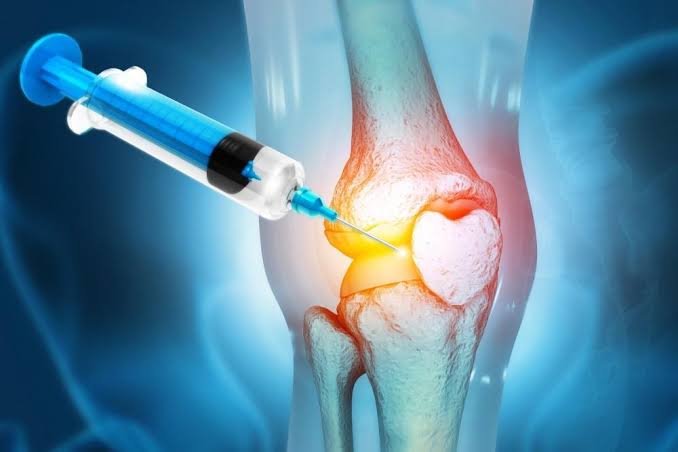
Platelet-rich plasma, universally shortened to PRP, begins with a simple blood draw. That sample is spun in a centrifuge to concentrate the platelets, the components carrying growth factors involved in the body’s natural repair processes. The concentrate is then injected, usually under ultrasound guidance, into the specific tendon, ligament, or joint area being treated. The premise is straightforward: deliver a concentrated dose of the body’s own repair signals directly to a site where healing has stalled.
Because the material comes from your own blood, the approach avoids many of the concerns associated with foreign substances, which is a meaningful part of its appeal to athletes and older active adults alike.
Where It Fits in a Treatment Plan
Regenerative injections are best understood as one option among several, not a replacement for the fundamentals. Practices offering stem cell therapy tampa patients research, along with PRP and related services, typically position these treatments as part of a broader plan that still includes strength work, movement correction, and load management. Skipping rehabilitation because you received an injection is the most common way patients waste both money and opportunity.
Timing matters too. These approaches are generally considered for problems that have persisted despite conservative care, in patients who want to explore options before considering surgery. Discussing candidacy with both the treating provider and your regular physician or orthopedist keeps the decision properly informed.
Setting Realistic Expectations
Honesty is essential in this field. Research on PRP is ongoing and results vary by condition, preparation method, and patient. Some applications have accumulated encouraging evidence while others remain investigational, and no responsible provider guarantees outcomes. Improvement, when it occurs, tends to develop gradually over weeks rather than immediately, and more than one session is sometimes recommended.
A provider who explains this landscape candidly, including where the evidence is thinner, is demonstrating exactly the credibility you should require. Promises of certain relief or claims that an injection will cure serious disease are warning signs, not selling points.
Questions to Bring to Your Consultation
Ask what specific preparation is used and why, whether imaging guidance is standard for your injection, what the published evidence shows for your particular condition, how many sessions are anticipated, what rehabilitation is expected afterward, and what the total cost covers. Ask also who performs the procedure and what their credentials are, since these are medical procedures requiring proper training and sterile technique.
The Sensible Approach
For active adults facing a stubborn injury, regenerative injections represent a legitimate option worth discussing, provided the conversation is grounded. Choose a properly credentialed provider, keep your other physicians informed, commit to the rehabilitation that accompanies any treatment, and measure success by function restored rather than promises made. Approached that way, it becomes one more informed tool in staying active for the long run.
ALSO READ: Is PRP Therapy in Cape Coral Worth It? The Answer Might Surprise You