



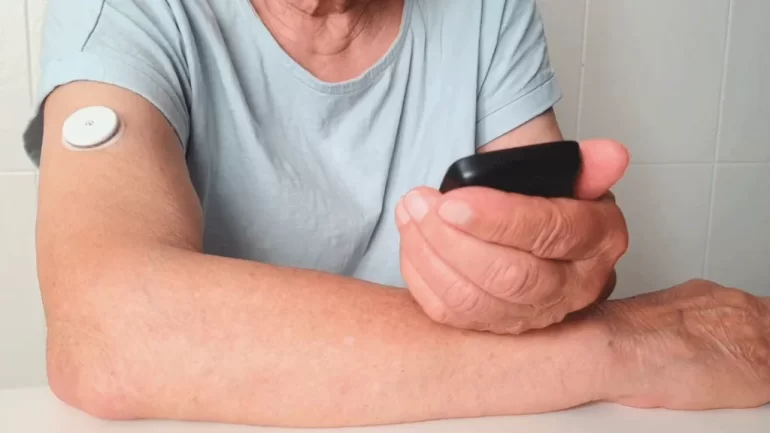
Chronic diseases such as diabetes, hypertension, heart disease, and chronic respiratory conditions require continuous monitoring and long-term management. Traditionally, much of this care has depended on scheduled office visits, where physicians assess a patient’s condition based on information collected days or weeks earlier. Remote Patient Monitoring (RPM) is changing that model by allowing healthcare providers to collect and review patient health data outside the traditional clinical setting.
By combining connected medical devices, digital health platforms, telehealth, and clinical workflows, RPM gives providers a more continuous view of a patient’s health. Instead of waiting for symptoms to worsen before taking action, care teams can identify concerning changes earlier and intervene when appropriate.
What Is Remote Patient Monitoring?
Remote Patient Monitoring is a digital healthcare approach that allows providers to collect patient-generated health data remotely and use that information to support clinical decision-making.
Depending on the patient’s condition, RPM may collect information such as:
- Blood pressure
- Blood glucose levels
- Heart rate
- Oxygen saturation
- Weight
- Temperature
- Respiratory measurements
Connected devices can transmit this information to a healthcare platform, where authorized members of the care team can review trends and identify potential problems.
For patients managing chronic conditions, this creates a continuous feedback loop between the patient and healthcare provider without requiring every interaction to take place in a medical office.
Why Chronic Care Needs Continuous Monitoring
Chronic conditions are rarely static. A patient’s blood pressure, glucose levels, weight, or oxygen saturation can change significantly between appointments.
A traditional care model may provide only periodic snapshots of the patient’s health. For example, a patient might visit a physician every three months, while important changes occur between those appointments.
RPM can provide clinicians with more frequent information. This can help care teams recognize patterns and potentially address problems before they develop into more serious complications.
For example, a patient with heart failure may experience gradual weight gain caused by fluid retention. When monitored remotely, a care team may notice the trend earlier and determine whether the patient needs additional evaluation.
How Remote Patient Monitoring Works
An RPM program typically involves several connected components.
1. Patient Uses a Connected Device
The patient measures a relevant health metric using an approved connected device, such as a blood pressure monitor, glucose meter, pulse oximeter, or digital scale.
2. Data Is Transmitted Digitally
The device or accompanying application sends the information to a secure digital health platform.
3. Healthcare Teams Review the Information
Care teams can monitor patient data, review trends, and identify measurements that may require attention.
4. Providers Take Appropriate Action
When data indicates a potential concern, healthcare professionals can contact the patient, adjust the care plan when clinically appropriate, schedule an appointment, or recommend further evaluation.
This process can transform chronic care from a primarily reactive model into a more proactive one.
The Role of EMR and EHR Technology in RPM
Remote monitoring becomes significantly more useful when patient-generated data can fit into existing clinical workflows.
Modern EMR systems and EHR systems can serve as important components of this digital infrastructure. When RPM data can be incorporated into a patient’s broader medical record, providers can evaluate remote measurements alongside diagnoses, medications, laboratory results, clinical notes, and other relevant information.
This gives clinicians a more complete picture of the patient’s health rather than forcing them to evaluate remote monitoring data separately.
Modern EMR software can also support the workflows surrounding chronic disease management, helping practices organize patient information and coordinate care.
Integration is particularly important as healthcare organizations adopt multiple digital tools. If RPM operates as an isolated platform, clinicians may have to switch between systems, manually transfer information, or deal with fragmented patient records.
Improving Early Detection
One of the biggest opportunities presented by RPM is earlier identification of potential health problems.
Consider hypertension. A single blood pressure measurement taken during an office visit may not represent a patient’s typical blood pressure throughout the week. Remote monitoring can provide multiple readings over time, helping providers identify persistent patterns.
Similarly, diabetes management can benefit from frequent glucose monitoring. Instead of relying exclusively on occasional appointments, clinicians can gain additional insight into how a patient’s glucose levels change over time.
Early detection does not guarantee that complications will be prevented, but it gives healthcare professionals more information with which to make timely clinical decisions.
Giving Patients a More Active Role
RPM also changes the patient’s role in chronic disease management.
Patients can monitor their own health measurements and become more aware of how behaviors, medications, and lifestyle changes may affect their condition.
For example, patients managing hypertension may regularly monitor blood pressure at home. Patients with diabetes may track glucose levels, while patients with certain cardiac conditions may monitor weight and other relevant measurements.
This ongoing interaction can encourage patients to become more engaged with their care rather than viewing healthcare as something that happens only during appointments.
Reducing Unnecessary Healthcare Visits
RPM does not eliminate the need for in-person medical care. However, it can help healthcare organizations determine which patients may require immediate attention and which situations can be managed through remote communication or routine follow-up.
For patients with chronic diseases, this may reduce the burden associated with frequent travel to medical offices, particularly for individuals who have mobility challenges, transportation difficulties, or live far from healthcare facilities.
At the same time, providers can potentially allocate clinical resources more efficiently by focusing attention on patients whose data indicates a greater need for intervention.
RPM and Personalized Chronic Care
Another important advantage of digital monitoring is the ability to observe individual trends over time.
Chronic disease management is not identical for every patient. Two patients with the same diagnosis may respond differently to medications, lifestyle changes, or treatment plans.
Continuous data can give clinicians additional context when evaluating those differences. Instead of relying only on occasional measurements, providers can examine trends and use them alongside the patient’s medical history and clinical assessment.
This supports a more personalized approach to chronic care.
Challenges Healthcare Organizations Must Address
Despite its potential, implementing RPM successfully requires more than purchasing connected devices.
Data Overload
Continuous monitoring can generate large amounts of information. Healthcare organizations need effective workflows to determine which measurements require attention and which can be reviewed routinely.
Integration
RPM platforms need to work effectively with existing EHR systems, EMR systems, and other healthcare technologies. Poor integration can create additional administrative work for physicians and staff.
Patient Engagement
Patients need to use monitoring devices correctly and consistently. Healthcare organizations may need to provide education, technical support, and clear instructions.
Privacy and Security
Health information is highly sensitive. Organizations must implement appropriate security controls, access management, and data protection practices when collecting and transmitting patient information.
Clinical Workflow
RPM should complement existing clinical processes rather than create another disconnected task for providers. Successful implementation requires clearly defined responsibilities for reviewing data, responding to alerts, documenting interventions, and communicating with patients.
The Future of Remote Patient Monitoring
The next phase of RPM is likely to involve greater use of artificial intelligence, predictive analytics, automation, and interoperability.
AI-powered systems may help identify unusual patterns in large datasets and prioritize information that requires clinical attention. Instead of presenting every measurement equally, intelligent systems could potentially help care teams focus on the most significant changes.
Integration with EMR software and broader healthcare platforms will also remain important. As healthcare organizations adopt increasingly connected digital ecosystems, patient information needs to move securely between devices, applications, providers, and clinical records.
Wearable technology may further expand the amount and variety of health information that can be collected outside traditional healthcare settings.
A Shift From Episodic to Continuous Care
Remote Patient Monitoring represents a broader shift in how chronic disease management can be delivered.
Traditional healthcare often revolves around appointments: patients visit a provider, receive an assessment, and return home until the next appointment. Digital health technologies create the possibility of maintaining a stronger connection between patients and care teams between visits.
RPM provides the infrastructure for this model by bringing relevant health information into the clinical workflow more frequently.
When combined with effective clinical processes, connected devices, interoperable EHR systems, and modern EMR systems, remote monitoring can help healthcare organizations deliver more informed and proactive chronic care.
Conclusion
Remote Patient Monitoring is becoming an important component of modern digital healthcare. By allowing providers to monitor relevant health metrics outside the traditional clinical environment, RPM can give care teams greater visibility into chronic conditions and help patients participate more actively in their own care.
Its long-term value will depend not only on connected devices but also on how effectively healthcare organizations integrate RPM with EMR software, EHR platforms, clinical workflows, and patient engagement strategies.
As digital health continues to evolve, the future of chronic care may become less centered on occasional appointments and more focused on continuous, connected, and personalized care.