



Electric mobility has moved far beyond the city commute. What began as a quiet, battery powered alternative to traditional bicycles has grown into a full category of vehicles that includes electric motorcycles, fat tire cruisers and rugged off road machines built for dirt, gravel and everything in between.
Riders today are looking for more than transportation, they want performance, reliability and a machine that matches the terrain they actually ride. This shift in expectations has pushed manufacturers to design faster motors, stronger frames and longer lasting batteries, making electric two wheelers a serious option for daily riders and adventure seekers alike.
Understanding the Rise of the Electric Dirt Bike
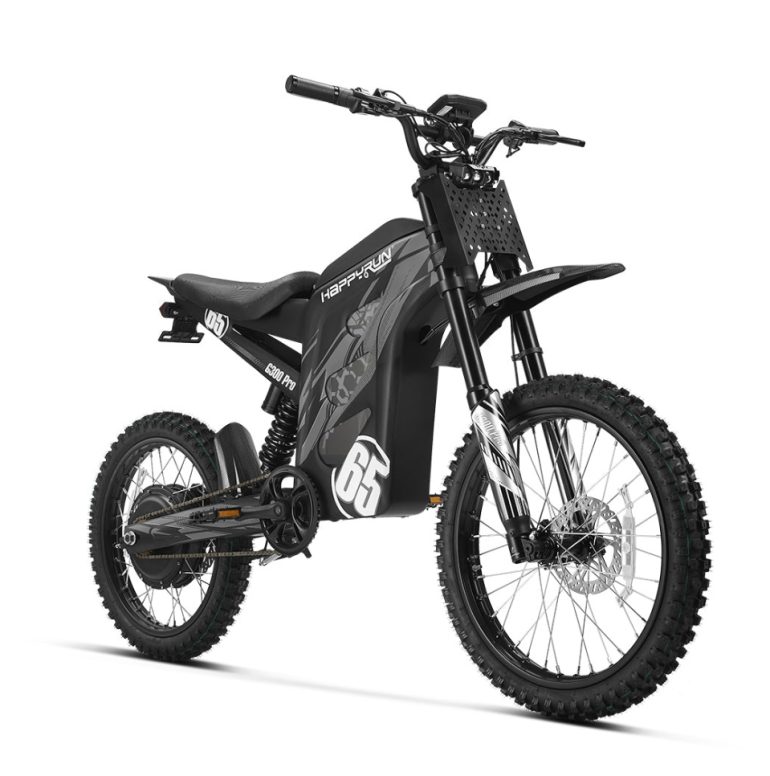
Few categories have grown as quickly as the electric dirt bike, a machine designed specifically for riders who want the thrill of off road performance without the noise, maintenance and fuel costs of a traditional gas powered dirt bike. These bikes combine a lightweight frame, knobby off road tires and a high torque electric motor to deliver instant power on loose surfaces, steep inclines and uneven trails. Unlike standard commuter e-bikes, they are built with reinforced suspension systems and durable components that can withstand the stress of jumps, rocky paths and aggressive riding conditions.
The appeal is straightforward. Electric dirt bikes start instantly, require far less maintenance than combustion engines and produce a fraction of the noise, which makes them suitable for riders who live near neighbors or ride in areas with noise restrictions. They also offer smooth, linear power delivery that many riders find easier to control than a traditional throttle driven by gasoline, especially when navigating technical terrain at low speed.
Why Riders Are Choosing Electric Over Gas
The shift toward electric power is not just about convenience, it reflects genuine performance advantages. Electric motors deliver maximum torque from a standstill, meaning riders get instant acceleration without waiting for an engine to build up revs. This is particularly useful when climbing hills or navigating obstacles where controlled, immediate power makes a real difference.
Maintenance is another major factor. Traditional dirt bikes require regular oil changes, air filter cleaning, spark plug replacement and carburetor tuning. Electric models eliminate most of these tasks, replacing them with simple battery care and occasional checks on brakes, tires and suspension components. This lowers the long term cost of ownership and makes electric bikes more accessible to riders who do not want to spend hours on mechanical upkeep.
Battery technology has also improved significantly. Modern lithium batteries offer longer range, faster charging times and better performance in varying temperatures compared to earlier generations. This means riders can now expect real world ranges that support extended trail sessions, not just short test rides around a backyard.
HappyRun and the Growing Electric Bike Market
Among the brands leading this shift is HappyRun, a company that has built a reputation for producing affordable, performance oriented electric bikes for commuters, adventure riders and off road enthusiasts. HappyRun’s lineup spans several categories, including electric motorcycles, fat tire cruisers, cargo e bikes and dedicated off road models designed for trail riding.
One example from the brand’s off road range is the Tank G300 Pro, a high powered model built with a strong motor, long range battery and rugged suspension suited for varied terrain. Bikes like this reflect a broader trend in the industry, where manufacturers focus on combining raw power with practical range and durable construction, so riders get a machine capable of handling real trail conditions rather than a toy limited to smooth pavement.
Brands such as HappyRun have also worked to make these bikes more accessible through direct online sales, financing options and dealer networks that support test rides and service. This approach has helped more riders transition from traditional gas powered machines to electric alternatives without sacrificing performance or reliability.
Key Features to Consider Before Buying
Choosing the right electric bike requires looking beyond marketing claims and focusing on specifications that actually affect the riding experience. Motor power, usually measured in watts, determines how much torque and top speed a bike can deliver, with higher wattage generally suited to steeper terrain and heavier riders. Battery capacity, measured in watt hours, directly affects range, so riders planning longer trail sessions should prioritize larger battery packs.
Suspension quality matters just as much as raw power. Off road riding puts significant stress on a bike’s frame and suspension components, so models with adjustable front and rear suspension tend to handle rough terrain more comfortably than basic setups. Tire choice is another important factor, since knobby, wide tires provide better grip on dirt, gravel and loose surfaces compared to standard street tires.
Braking systems should not be overlooked either. Hydraulic disc brakes offer stronger, more consistent stopping power than mechanical brakes, which becomes especially important when riding downhill or navigating unpredictable trail conditions. Finally, build quality and frame material influence both durability and overall weight, with aluminum frames generally offering a good balance between strength and manageable handling.
Practical Tips for New Electric Bike Riders
For those new to electric bikes, a few practical habits can improve both safety and the overall riding experience. Always wear appropriate protective gear, including a helmet, gloves and sturdy footwear, regardless of how short the ride may be. Start on familiar, low difficulty terrain before attempting steep climbs or technical trails, since electric motors deliver power differently than gas engines and it takes time to adjust throttle control.
Charging habits also matter for long term battery health. Avoid letting the battery drain completely on a regular basis and store the bike in a moderate temperature environment when not in use. Routine checks on tire pressure, brake pads and suspension bolts will help maintain performance and catch small issues before they become costly repairs.
Conclusion
The electric bike industry has matured into a diverse market that serves commuters, adventure riders and everyone in between. Among these options, the electric dirt bike stands out as a genuine alternative to traditional gas powered off road machines, offering strong torque, low maintenance and quieter operation without compromising on performance. Brands like HappyRun continue to push this category forward by combining powerful motors, durable frames and accessible pricing, giving riders more ways to enjoy off road adventure with electric power. As battery technology and motor efficiency continue to improve, electric bikes are likely to become an even more common sight on trails, roads and everywhere in between.