



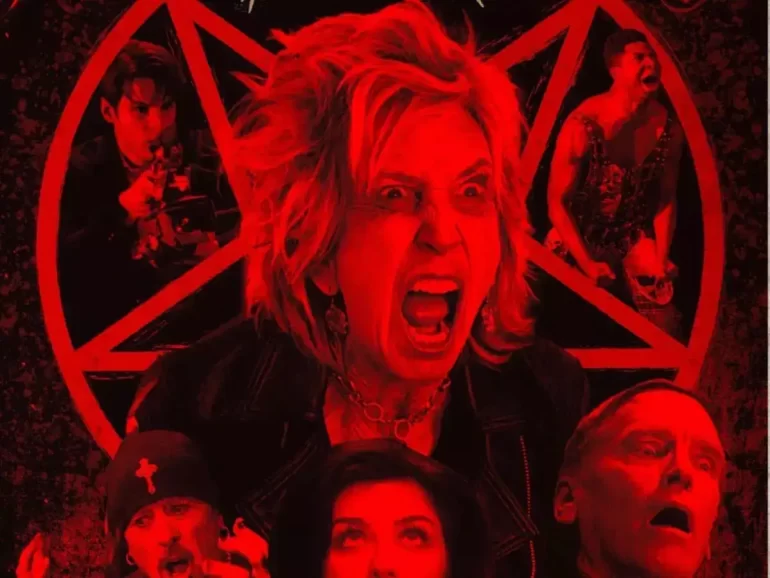
The entertainment industry has entered an era where genre boundaries are becoming increasingly flexible. Audiences no longer want films that fit neatly into a single category. Instead, viewers are responding strongly to projects that blend multiple cinematic experiences into one compelling package. Among the most successful examples of this trend is the growing popularity of action-horror hybrids—films that combine psychological tension, survival-driven storytelling, and high-intensity action sequences.
As anticipation builds around scared to death 2026, industry analysts are already discussing how the film reflects the changing direction of modern horror cinema. The rise of action-horror storytelling is not simply a creative experiment anymore; it has become a strategic business model designed to attract wider audiences across global markets.
Why Action-Horror Hybrids Are Dominating Modern Cinema
Traditional horror films have always relied on suspense, atmosphere, and fear-driven narratives. Action films, on the other hand, focus on pacing, physical conflict, and large-scale spectacle. By merging these genres, filmmakers create a cinematic experience that appeals to both horror enthusiasts and mainstream action audiences.
This hybrid structure allows studios to expand ticket sales beyond niche horror communities. Viewers who may not normally watch supernatural or psychological horror are often drawn in by the adrenaline-fueled action components. Likewise, horror fans appreciate the elevated intensity that action sequences bring to survival-based storytelling.
Films in this category tend to perform especially well internationally because action translates easily across languages and cultures. Explosive visuals, chase scenes, and fast pacing create universal audience engagement while horror elements maintain emotional tension throughout the story.
Projects like scared to death 2026 are benefiting from this global entertainment shift, positioning themselves within one of the fastest-growing subgenres in the film industry.
Audiences Want More Than Traditional Horror
Modern audiences have become increasingly sophisticated in their entertainment preferences. Standard jump scares and predictable horror formulas no longer generate the same excitement they once did. Viewers now expect layered storytelling, cinematic scale, and emotionally driven characters alongside horror elements.
Action-horror hybrids satisfy these expectations by delivering multiple forms of entertainment simultaneously. A single film can combine suspense, survival drama, combat sequences, mystery, and psychological tension without losing momentum.
Streaming platforms have also accelerated this trend. With viewers constantly exposed to global content libraries, filmmakers face more pressure to create experiences that stand out immediately. Cross-genre storytelling helps films remain memorable in a crowded entertainment landscape.
This evolution explains why studios and independent production companies alike are investing heavily in hybrid concepts rather than relying solely on traditional genre formulas.
Miami’s Growing Role in Action-Horror Production
Location strategy has become increasingly important in the development of action-horror films. Producers are searching for cities that offer cinematic variety, production flexibility, tax incentives, and visually dynamic environments. Miami has emerged as one of the most attractive filming destinations for cross-genre projects.
The city’s combination of urban nightlife, coastal highways, luxury districts, industrial areas, and tropical settings creates the perfect backdrop for action-horror storytelling. Directors can move seamlessly between high-speed action sequences and atmospheric horror scenes without changing production regions.
Miami’s visual identity also contributes to cinematic intensity. Neon-lit streets, waterfront locations, modern architecture, and unpredictable weather conditions naturally enhance suspense-driven storytelling while supporting large-scale action production.
Because of this versatility, many production executives are increasingly choosing Miami for films that blend action, thriller, and horror elements into a single cinematic experience.
Production Logistics Matter More Than Ever
Large-scale action-horror productions involve fast-moving schedules, executive meetings, late-night shoots, and constant transportation coordination. Efficient travel arrangements are essential for maintaining production timelines and keeping high-budget projects on schedule.
For producers, cast members, investors, and studio executives traveling throughout South Florida, premium transportation solutions play an important role in daily operations. Services like black car service Miami have become increasingly valuable for entertainment professionals managing production meetings, airport transfers, and on-location scheduling across the city.
Reliable executive transportation allows film teams to move efficiently between studios, hotels, production sites, and investor events without unnecessary delays. In an industry where timing directly impacts budgets, logistical efficiency can significantly influence overall production success.
As Miami continues attracting major film projects, the demand for luxury transportation and production support services is expected to grow alongside the entertainment sector.
Streaming Platforms Are Encouraging Genre Innovation
Streaming services have dramatically changed how studios evaluate film performance. Instead of relying solely on theatrical box office numbers, producers now analyze audience retention, streaming engagement, and global replay value.
Action-horror hybrids perform particularly well in this environment because they appeal to multiple audience demographics simultaneously. Horror fans, action enthusiasts, thriller audiences, and younger streaming viewers often overlap when consuming cross-genre content.
This broad appeal increases the long-term profitability of hybrid productions. A film that succeeds across several audience categories becomes far more valuable for streaming licensing, international distribution, and digital marketing campaigns.
As a result, streaming platforms are actively encouraging studios to develop projects that avoid strict genre limitations. The growing anticipation surrounding scared to death 2026 reflects how strongly audiences are responding to this modern filmmaking approach.
The Future of Horror Is Hybrid Storytelling
The success of action-horror films represents more than a temporary trend. It signals a larger transformation in how audiences consume entertainment. Genre blending allows filmmakers to create more immersive cinematic experiences while expanding commercial reach across multiple markets.
Studios are increasingly prioritizing projects that combine emotional suspense with visual intensity because these films generate stronger audience engagement and better replay value. Horror alone remains profitable, but hybrid storytelling offers even greater long-term potential.
At the same time, cities like Miami are becoming central production hubs for these ambitious cross-genre films due to their cinematic versatility and production infrastructure. Combined with professional services like black car service Miami, the city provides the logistical efficiency required for large-scale entertainment projects.
As the film industry continues evolving, hybrid storytelling appears positioned to dominate the next generation of horror cinema. Films such as scared to death 2026 are not simply following trends — they are helping define the future direction of modern entertainment.