



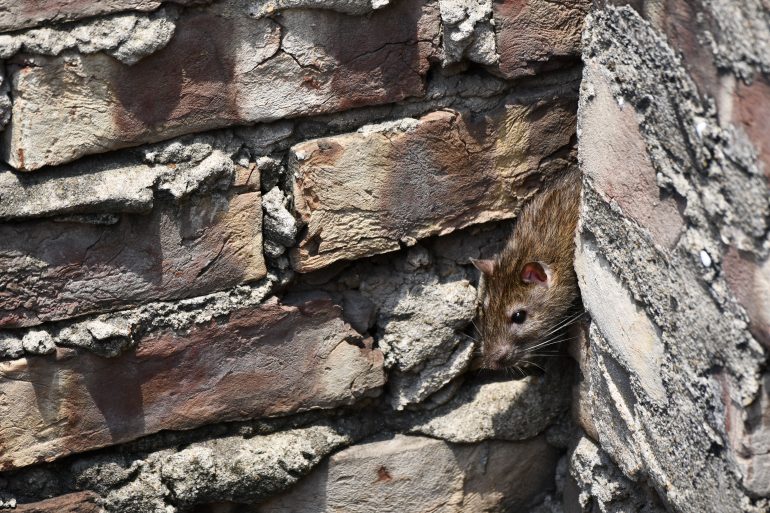
Why Rodents Are More Than a Nuisance
Rodents can create serious problems inside homes and commercial buildings. They may damage insulation, chew electrical wiring, contaminate surfaces, leave droppings, create unpleasant odours and keep occupants awake with scratching noises at night.
In Sydney, rodent problems are common in houses, units, restaurants, warehouses, offices and older buildings with small entry gaps. Roof spaces, wall cavities, garages, sheds, subfloors and storage areas can all provide suitable shelter.
The earlier the warning signs are noticed, the easier it may be to reduce the risk of the problem spreading.
Scratching or Scurrying Noises at Night
One of the most common signs of rodents is unusual noise. Many homeowners first notice scratching, running or gnawing sounds at night.
Rodents are often most active after dark, so noises may be heard in the ceiling, walls, roof void, kitchen, garage or beneath the floor.
If the sound moves from one area to another, it may suggest rodents are travelling through wall cavities or roof spaces.
Droppings Around Hidden Areas
Rodent droppings are another clear warning sign. They may appear in cupboards, behind appliances, inside pantries, around bins, in roof spaces, near garage walls or along skirting boards.
Droppings should be handled carefully because they can present contamination risks. It is best to avoid sweeping or vacuuming them without taking appropriate precautions.
The location and amount of droppings may help identify areas of rodent activity.
Chewed Materials and Gnaw Marks
Rodents chew frequently to manage the continuous growth of their teeth. They may damage food packaging, timber, plastic, insulation, electrical cables, cardboard boxes and stored items.
Gnaw marks may be visible around entry points, cupboard edges, pipes, vents or roof gaps.
Chewed electrical wiring can be particularly concerning and should be inspected by a qualified electrician if damage is suspected.
Unpleasant Smells
A strong, musty or stale odour may suggest rodent activity. In some cases, the smell may come from urine, nesting material, contaminated insulation or a dead rodent hidden inside a wall or ceiling space.
If an odour appears suddenly and cannot be traced to bins, drains or food waste, rodents may be one possible cause.
How Rodents Enter Buildings
Rodents can enter through surprisingly small gaps. Common entry points include roof gaps, vents, weep holes, damaged screens, gaps beneath doors, pipe penetrations, broken roof tiles, open garage doors and spaces around external walls.
This is why treatment alone may not solve the issue if entry points remain open.
Sydney homes with older rooflines, nearby trees, overgrown gardens or damaged external areas may be more vulnerable.
Roof Spaces Can Hide the Problem
Rodents often use roof spaces because they are warm, dark and rarely disturbed. Once inside, they may nest in insulation or move through wall cavities to reach food and water.
Homeowners who are already planning roof maintenance, leak repairs or roof restoration in Sydney may also want to check whether gaps, broken tiles or other entry points are allowing pests into the roof space.
These access points are not always obvious from ground level, so a professional inspection can be helpful.
Why DIY Rodent Control Often Fails
Many people try traps or bait when they suspect rodents. These methods may reduce visible activity, but they do not always address the cause of the problem.
If entry points remain open, new rodents can return. If food sources remain available, activity may continue. If nesting areas are not identified, the problem may shift to another part of the building rather than disappear.
DIY methods can also be risky if bait is placed incorrectly around children, pets or wildlife.
When Professional Help Is Needed
Professional rodent control usually involves inspecting the property, identifying entry points, assessing the level of activity, placing treatment correctly, recommending exclusion measures and reducing available food and shelter.
If scratching noises, droppings, chewed materials or repeated activity continue, arranging Rodent Pest Control Sydney can help address both the active problem and the conditions that allow rodents to return.
How to Reduce Rodent Risk
Homeowners can reduce the risk by sealing gaps, storing food in sealed containers, keeping bins closed, clearing clutter, trimming tree branches away from the roof, removing pet food overnight and checking garages or sheds regularly.
Outdoor areas should also be maintained because rodents may move into properties from gardens, fences, drains or neighbouring buildings.
Final Thoughts
Rodents can live inside roof spaces and wall cavities for some time before they are seen. Noises, droppings, gnaw marks, unusual smells and damaged materials should be taken seriously.
The best approach is to identify how rodents are entering, remove attractants and treat the problem safely. Acting early can help protect the property from further damage and contamination.