



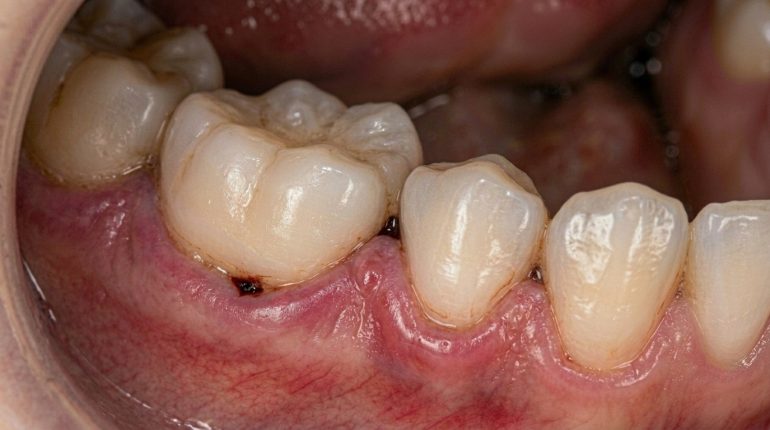
Why Gum Disease Often Goes Undetected
Many people associate gum disease with bleeding gums or bad breath, but the condition often develops quietly over several years. One of the most serious effects of untreated gum disease is bone loss around the teeth. Patients are frequently surprised when a dental examination reveals advanced damage because they may not have experienced significant pain or visible symptoms.
Bone loss occurs when bacteria and inflammation begin affecting the structures that support the teeth. As gum disease progresses, the infection spreads below the gumline and slowly weakens the bone tissue. Since this process is gradual, many individuals continue daily routines without realizing the extent of the damage.
A family dentist may detect early signs during routine dental examinations and X-rays before symptoms become severe. This early diagnosis can make a major difference in protecting long-term oral health.
Early Symptoms Are Easy to Ignore
The earliest signs of gum disease often appear mild and inconsistent. Some patients notice occasional bleeding while brushing or flossing, but dismiss it as normal irritation. Others experience mild gum tenderness or swelling that comes and goes.
Persistent bad breath is another common symptom that many people overlook. Bacteria trapped beneath the gums release odors that regular brushing may not eliminate. In some cases, patients may also notice slight gum recession, which can make teeth appear longer than before.
Pain usually does not appear during the early stages of bone loss. That lack of discomfort is one reason gum disease can continue progressing unnoticed. By the time teeth become loose or chewing becomes uncomfortable, the supporting bone may already be severely compromised.
How Bone Loss Develops Beneath the Surface
Healthy gums and bone tissue work together to support the teeth securely. When plaque and bacteria accumulate around the gumline, inflammation develops within the surrounding tissue. If the infection remains untreated, the body responds by breaking down both gum tissue and bone.
As bone loss advances, spaces known as periodontal pockets form between the gums and teeth. These pockets allow bacteria to spread deeper below the surface, increasing the infection and accelerating tissue destruction.
Patients often assume brushing harder or using mouthwash will solve the issue, but advanced gum disease requires professional treatment. A Bellevue dentist may identify subtle bone changes through dental imaging even before major physical symptoms appear.
Smoking, diabetes, poor oral hygiene, stress, and certain medications can increase the risk of developing gum disease and bone deterioration. Genetics may also play a role in how aggressively the condition progresses.
Why Regular Dental Visits Matter
Routine dental visits help identify gum disease before major damage occurs. During preventive examinations, dental professionals measure gum pockets, evaluate inflammation, and examine bone levels through X-rays.
Many patients feel surprised when a dentist explains they have bone loss because they believed their teeth felt normal. Gum disease does not always produce immediate warning signs, especially during the earlier stages. Professional monitoring allows dentists to identify concerns that patients cannot easily see on their own.
A family dentist can also track changes over time. Comparing previous examinations helps identify subtle progression that may otherwise go unnoticed between appointments. This continuity of care often improves early detection and treatment planning.
The Connection Between Gum Health and Overall Health
Research continues to show strong links between gum disease and overall health. Chronic inflammation associated with periodontal disease has been linked to heart disease, diabetes complications, and other inflammatory conditions.
Patients sometimes focus only on saving their teeth, but untreated gum disease may affect more than just oral health. Infection within the gums creates ongoing inflammation throughout the body. Treating gum disease can improve both dental stability and overall wellness.
Bone loss also creates functional concerns. As support structures weaken, teeth may shift position, loosen, or eventually require extraction. Replacing missing teeth often involves more complex treatment when bone deterioration has already occurred.
Treatment Can Slow or Stop Further Damage
Early treatment often prevents additional bone destruction and helps stabilize oral health. Professional deep cleanings remove bacteria beneath the gumline and reduce inflammation. More advanced cases may require periodontal therapy, antibiotic treatment, or surgical procedures to manage infection and restore damaged areas.
Patients who receive treatment early usually maintain better long-term outcomes than those who delay care. Good oral hygiene habits at home remain an important part of preventing recurrence.
Consistent follow-up visits also help dental professionals monitor healing and identify any returning signs of disease. Patients who maintain preventive care schedules often experience fewer complications related to gum disease progression.
Frequently Asked Questions
What are the first signs of gum disease?
Early signs of gum disease may include bleeding gums, redness, swelling, persistent bad breath, and gum tenderness. Many symptoms appear mild during the beginning stages.
Can bone loss from gum disease be reversed?
Minor bone loss may sometimes be managed with specialized treatment, but advanced bone deterioration is often permanent. Early diagnosis improves the chances of slowing or stopping further damage.
Why do patients not notice bone loss sooner?
Bone loss usually develops gradually and often causes little or no pain during the early stages. Many patients do not realize they have gum disease until noticeable symptoms appear later.
How can a Bellevue dentist detect bone loss?
A Bellevue dentist uses dental examinations, gum measurements, and X-rays to identify changes in bone levels around the teeth. These tools help detect hidden damage before symptoms become severe.
Bone loss caused by gum disease often develops quietly, making regular dental examinations an important part of preventive care. Early diagnosis may help slow progression and protect the structures supporting the teeth before advanced damage occurs. Patients seeking a trusted family dentist or experienced Bellevue dentist for periodontal evaluations and preventive care can visit Bellevue Family Dentist in Bellevue, WA.