



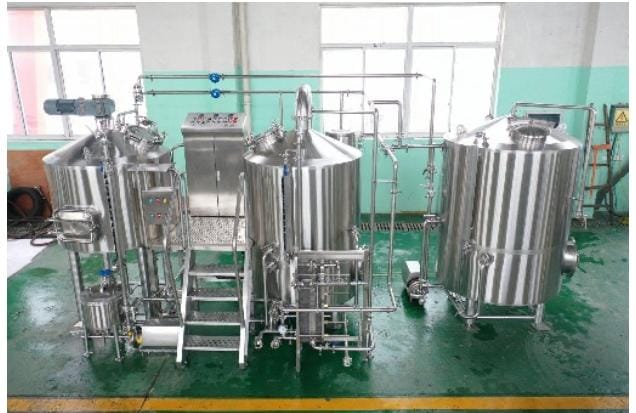
Steam systems circulate steam through vessel jackets. Electric systems use heating elements or an external electric heating loop. Direct-fire systems use a gas burner and combustion chamber beneath or around the kettle.
Choose according to batch size, heating rate, utility availability, building restrictions, energy price, installation cost, control, maintenance, and expansion. The best method is the one that reaches and maintains process temperatures safely within the production schedule without creating an unsupported utility load.
How Does Steam Heating Work?
A boiler produces steam that flows through jackets on the kettle and other heated vessels. Condensate leaves the jackets through traps and returns or drains according to the system design.
Steam provides distributed heating and can support multiple vessels and CIP loads. It requires a correctly sized boiler, feedwater treatment, piping, valves, traps, condensate handling, ventilation, and qualified installation. Boiler operation and inspection requirements depend on the site and local rules.
What Are the Advantages of Steam?
Steam can deliver strong heating, even jacket coverage, responsive control, and capacity for larger or multi-vessel brewhouses. One boiler can support hot-liquor heating, kettle boil, and other approved thermal loads.
It is often selected when the brewery expects frequent turns or future expansion. The useful capacity depends on steam pressure, boiler output, jacket area, condensate removal, and simultaneous demand. A large boiler does not compensate for undersized piping or flooded jackets.
What Are the Disadvantages of Steam?
Steam normally has the highest infrastructure complexity. The brewery needs boiler space, fuel or electrical supply, water treatment, blowdown, exhaust or ventilation where applicable, condensate management, and trained maintenance.
Initial installation can exceed the price difference between vessels. Poorly maintained traps, scale, leaks, and controls reduce performance. Obtain a complete installed-cost estimate and confirm operating responsibilities before selecting steam only for its heating speed.
How Does Electric Brewhouse Heating Work?
Electric brewing systems use immersion elements, elements in another vessel, or an external loop to convert electrical energy into heat. The exact arrangement affects cleaning, watt density, circulation, and control.
Electric heating avoids combustion and may simplify installation where sufficient electrical service is available. Confirm voltage, phase, frequency, total connected load, starting loads, panel design, and available utility capacity. A building service upgrade can remove the apparent installation advantage.
What Are the Advantages of Electric Heating?
Electric systems can provide accurate control, compact installation, quiet operation, and no on-site combustion exhaust at the vessel. They are often practical for small to medium systems and buildings where a boiler or burner is difficult to install.
Maintenance can be straightforward when elements are accessible and correctly operated. Efficiency at the vessel can be high, but total energy cost depends on local tariffs and demand charges. Compare actual time-to-temperature at the intended batch volume.
What Are the Disadvantages of Electric Heating?
Large electric loads may require expensive service, transformers, panels, cabling, and utility approval. Low element area or unsuitable watt density can create scorching risk, slow heating, or difficult cleaning.
Elements must remain covered and operated according to the design. Scale and deposits reduce performance. When evaluating electric brewhouses, ask for total power, heat-up calculations, element configuration, cleaning access, control stages, and electrical drawings. Do not compare systems by kilowatts alone.
How Does Direct-Fire Heating Work?
A gas burner heats the kettle through a combustion chamber and heat-transfer surface. The system includes gas train, ignition controls, burner, combustion air, exhaust, clearances, and safety devices.
Direct fire can be practical where gas is available and a boiler is not justified. Heat is concentrated near the bottom or firebox, so vessel design and circulation matter. Burner setup, exhaust, room ventilation, and qualified commissioning are required for stable and safe operation.
What Are the Advantages and Limits of Direct Fire?
Direct fire can have a lower initial infrastructure cost than steam for some small systems and can provide strong kettle heating without a large electrical service. Operators may value the simple relationship between burner output and boil.
Limitations include combustion requirements, concentrated heating, possible hot spots, exhaust heat, burner maintenance, and less flexibility for heating several vessels. Check whether the building can support gas supply, flue routing, combustion air, fire clearances, and local installation requirements.
Which Heating Method Is Fastest?
Heating speed depends on useful heat transferred to the liquid, not the method name. Compare batch mass, starting and target temperatures, available heat input, efficiency, jacket or element area, heat loss, and simultaneous loads.
Request calculated heat-up time and a commissioning test at normal working volume. Include time to reach a vigorous, controllable boil and to recover after additions. A fast kettle can still wait for slow hot-water preparation or insufficient wort transfer.
Which Method Costs Less to Operate?
Calculate local electricity, gas, fuel, water-treatment, maintenance, inspection, labor, and demand costs. Include boiler standby losses, condensate recovery, exhaust losses, element replacement, and utility tariffs by time or peak demand.
Use annual production and realistic utilization. A low-cost fuel system can be expensive when underused, while a higher energy price may be acceptable with simpler infrastructure. Compare cost per batch and cost per finished beer volume rather than monthly utility price alone.
What Information Is Needed Before Choosing?
Provide batch size, desired turns, vessel heat loads, heating times, simultaneous CIP and hot-water demand, electrical service, fuel availability, boiler room, ventilation, exhaust route, water quality, building restrictions, local energy prices, and expansion plans.
Ask the brewery supplier for heat-load calculations, utility requirements, control description, drawings, installed scope, maintenance tasks, and performance test criteria. Review the option with qualified electrical, mechanical, gas, and building professionals before fabrication.
How Does Future Expansion Affect the Heating Choice?
Expansion may require additional heated vessels, faster turns, larger hot-water storage, or more CIP demand. Steam can distribute heat to several users when the boiler and piping are planned for growth. Electric expansion depends on available service and panel capacity. Direct fire is usually dedicated to a particular vessel.
Model the next production phase before selecting the first system. Oversizing everything immediately can waste capital, but installing an electrical service, boiler room, gas line, or exhaust route twice can cost more than planned capacity.