



Ask a photographer whether you should shoot in a studio or outdoors and you will usually get the same answer: it depends. Which is true, and completely unhelpful.
So here is the version with the reasoning included. The two settings produce genuinely different images, and the right choice depends on what the portraits are for, who is in them, and how much you care about control versus atmosphere.
The core difference: control versus context
Everything else follows from this.
A studio gives you control. The light is built rather than found. It does not change, it does not disappear behind a cloud, and it does not run out at 6:40pm. The background is whatever you choose. Nothing is happening in the frame that was not put there deliberately.
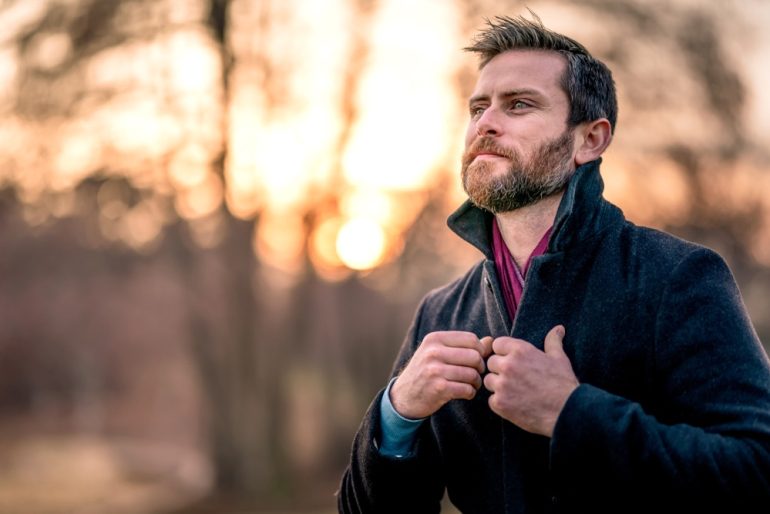
Outdoors gives you context. Real environments, natural light, depth, seasons, and a sense of place. The images feel less constructed. In a region like central Virginia, the surroundings themselves carry meaning for a lot of people.
Neither is better. They are different products.
Lighting
Studio. Light is shaped exactly. Soft and flattering, dramatic and directional, bright and clean, whatever the image needs. It stays consistent from the first frame to the last, so a session shot over three hours looks cohesive.
Outdoors. Natural light is beautiful and unpredictable. The good window is narrow. Golden hour delivers that warm, low, flattering light everyone wants, and it lasts roughly an hour. Midday sun is harsh and produces unflattering shadows under the eyes. Overcast days give lovely soft light but flat skies.
The practical consequence is scheduling. Outdoor sessions get built around light, which often means early morning or late evening. Studio sessions get built around your calendar.
Weather and seasons
This is the one that decides it for a lot of people.
Outdoor sessions in Virginia have real seasonal constraints. Summer humidity affects hair, makeup and comfort. Late fall and winter mean cold hands, wind and early darkness. Spring is beautiful and also rains a great deal.
Every outdoor session needs a backup plan. Ask directly what happens if the weather turns, because policies vary. Some photographers reschedule, some move indoors, some do neither, and finding out on the day is not the moment to discover it.
Studio sessions do not have this problem, which is why they dominate the winter months and why anyone working to a deadline tends to book indoors.
Wardrobe
Studio suits structured clothing, darker tones, formal wear, business attire and anything you want rendered cleanly. Clothes photograph the way they actually look because the light is controlled. Multiple changes are easy because there is a private space to change in.
Outdoors suits softer, flowing fabrics, lighter colors and layered looks. Movement matters more, since breeze and walking bring images to life. Outfit changes are harder and often limited to one or two unless there is somewhere practical to change.
Session types and which setting usually wins
Professional headshots and personal branding. Usually studio. Consistency is the whole point, especially for a team where every headshot needs to match. Clean backgrounds work across websites, LinkedIn and press. Some brands want environmental headshots shot in their workplace, which is a third option worth knowing about.
Family portraits. Often outdoors, particularly with children, who behave better with space to move and something to explore. Studio works well for formal family portraits and for very young babies, where warmth and controlled conditions matter.
Senior portraits. Frequently both. Studio for the classic images parents want framed, outdoors for the ones the senior actually wants to post.
Maternity. Either, and it comes down to the mood you want. Studio delivers the sculpted, artistic look with controlled light on shape and skin. Outdoors gives the softer, sun-through-the-trees feel.
Couples and engagement. Usually outdoors. Movement, space and environment suit two people interacting.
Boudoir. Almost always studio, for privacy, comfort and complete lighting control.
Portraits of older adults. Studio has a real advantage here, because light can be shaped precisely and flatteringly rather than accepted as found.
Practical factors people forget
Privacy. Outdoor locations are public. Someone will walk past. For some session types that is fine, for others it is a dealbreaker.
Comfort. Studios have bathrooms, mirrors, climate control and somewhere to sit. Outdoor sessions have none of that, which matters more with kids, pregnancy, mobility issues or a long session.
Hair and makeup. Professional hair and makeup done at a studio stays exactly as intended. Outdoors it faces heat, humidity, wind and rain.
Time efficiency. A studio session can deliver five distinct looks in three hours. Outdoors, the same variety requires travel between locations, and travel eats the good light.
Permits and access. Some locations require permits or charge fees. Popular spots also get busy, particularly on autumn weekends when every photographer in the area wants the same backdrop.
Can you do both?
Often, yes, and it is a common request.
Some sessions start in studio for the controlled looks and finish outdoors nearby for the atmospheric ones. This works well when the studio has an interesting exterior or is close to somewhere usable. It also works in reverse, starting outdoors during golden hour and moving indoors as the light goes.
The trade-off is time and light. A combined session either runs longer or delivers fewer images from each setting. If you want both, say so during the consultation so it can be planned rather than improvised. Many portrait studios in charlottesville va build hybrid sessions as standard, so it is worth asking rather than assuming you have to pick one.
How to decide
Work through these four questions in order.
- What are the images for? Professional and consistent use points to studio. Personal, seasonal and atmospheric points outdoors.
- Who is in them? Small children and active groups usually do better with space. Formal groups and individuals do well in studio.
- When do you need them? A fixed deadline pushes towards studio, because weather cannot delay it.
- What feeling do you want? Look at portfolios and pay attention to which images you keep returning to. Your instinct here is more reliable than any list of pros and cons.
One last thought
People overthink this decision far more than the photographer does. Both settings produce excellent portraits in skilled hands, and the difference between a good session and a disappointing one almost never comes down to whether it happened indoors or outside.
It comes down to preparation, direction and whether you felt comfortable enough to look like yourself. Pick the setting that removes the thing you are most worried about, whether that is weather, privacy, restless kids or unpredictable light, and let the rest take care of itself.