



Recognition has always been part of competition, but not every reward leaves a lasting impression. Some are received, appreciated briefly, and then forgotten. Others stay in people’s minds for years. The difference lies in how the reward is designed and what it represents.
A reward that becomes a talking point does more than acknowledge success. It captures attention, creates curiosity, and holds meaning that people want to share. It turns a simple win into something that feels larger and more memorable.
Why Most Rewards Fail to Stand Out
Many rewards follow the same predictable pattern. A standard design, a familiar shape, and a generic feel. While they serve their purpose, they rarely create any emotional impact.
People remember moments, not objects. If a reward does not connect with the moment, it loses relevance quickly. This is why so many awards end up sitting on shelves without any real attachment.
The Problem With Generic Design
Generic rewards lack identity. They could belong to anyone and represent anything. This makes them easy to replace and easy to forget.
When there is no story behind a reward, there is nothing to talk about. It becomes just another object instead of something meaningful.
Designing With Purpose
The foundation of a strong reward is purpose. Every element should connect back to what is being celebrated. When design follows meaning, the result feels natural and impactful.
Creating a Clear Connection to Achievement
A reward should reflect the effort behind it. It should represent what the winner went through to earn it. This is where thoughtful design makes a difference.
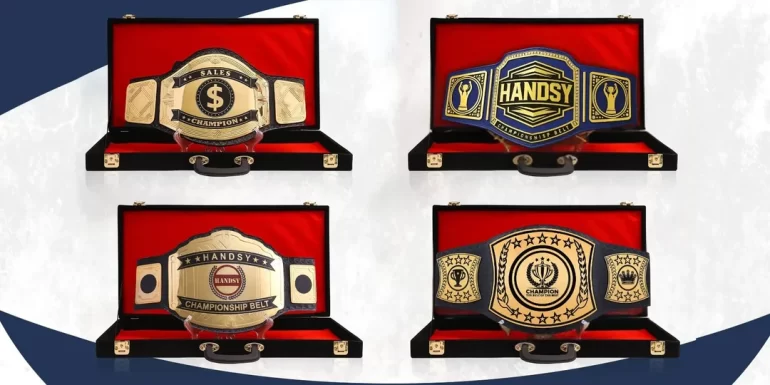
For example, custom wrestling belts have gained popularity because they carry a sense of authority and identity. They do not just mark a win. They represent status, dominance, and presence. This makes them far more engaging than standard awards.
Personalization Creates Emotional Value
A reward becomes powerful when it feels personal. This is what turns it from an object into a memory.
Making the Winner Part of the Design
Personal elements such as names, milestones, or unique details create a strong connection. The reward becomes tied to a specific moment and a specific person.
This makes it irreplaceable. It is no longer something that can be given to anyone. It belongs to that one story.
Turning Recognition Into a Story
People connect with stories more than objects. A reward that carries a story naturally becomes a talking point.
When someone asks about it, there is something to explain. Something meaningful to share. This keeps the memory alive and makes the reward relevant long after the competition ends.
The Importance of Presence
A talking point reward needs presence. It should stand out without trying too hard.
Visual Impact Without Overdesign
Standing out does not mean being excessive. It means being distinct in a way that feels natural. A strong concept often matters more than heavy decoration.
The goal is to create curiosity. When people see the reward, they should feel interested enough to look closer.
Encouraging Interaction
The best rewards invite interaction. They make people want to pick them up, examine them, and understand their details.
This interaction builds a stronger connection. It turns the reward into an experience rather than just something to look at.
The Role of Community in Creating Talking Points
No reward exists in isolation. Its impact grows when it is part of a community.
Shared Meaning
When a group recognizes a reward, it becomes a symbol. Everyone understands what it represents. This shared meaning increases its value.
A talking point reward is not just important to the winner. It becomes important to the entire group.
Building Traditions Over Time
When the same style of meaningful reward is used repeatedly, it turns into a tradition. This creates continuity and adds depth to future competitions.
People begin to associate the reward with a certain level of achievement. It becomes something they aim for, not just something they receive.
Why This Approach Works
Designing rewards with intention creates stronger emotional connections. It makes achievements feel more significant and more personal.
Focus on Experience
Modern recognition is moving toward experience rather than objects. People want to feel something when they win. They want the moment to stay with them.
A well designed reward supports that experience instead of replacing it.
Long Term Impact
A talking point reward continues to hold value over time. It is remembered, discussed, and appreciated long after the competition is over.
This lasting impact is what makes it different from standard recognition.
Balancing Simplicity and Impact
A common mistake in design is adding too much. More detail does not always mean more value. In many cases, it creates confusion instead of clarity.
Simple designs with clear intent often have the strongest impact. They allow the meaning to stand out without distraction.
This approach is similar to how structured systems like sparx maths focus on clarity. When everything has a purpose, the result becomes easier to understand and more effective.
Conclusion
The art of designing a reward that becomes a talking point is about meaning, not decoration. It is about creating something that reflects achievement, tells a story, and connects with people on a deeper level.
When purpose, personalization, and presence come together, a reward becomes more than recognition. It becomes something people remember, share, and value for years.