



Introduction to Modern Exterior Cleaning Techniques
Maintaining the cleanliness and appearance of exterior surfaces is an essential part of property care and long-term maintenance. Buildings are constantly exposed to environmental elements such as dirt, algae, mold, mildew, dust, pollution, and moisture, all of which gradually affect both appearance and structural condition. Over time, these contaminants can stain surfaces, weaken materials, and reduce the overall value of a property. Traditional high-pressure cleaning methods may remove visible dirt quickly, but they can also damage delicate materials such as roofing shingles, painted surfaces, wood siding, and decorative finishes. Because of this, modern cleaning methods have evolved to focus on safer and more effective solutions that preserve surfaces while delivering deep cleaning results. One of the most widely recommended methods today is soft wash cleaning, which combines low-pressure water application with specialized cleaning solutions to safely remove contaminants without causing structural damage.
Understanding the Concept of Low Pressure Cleaning
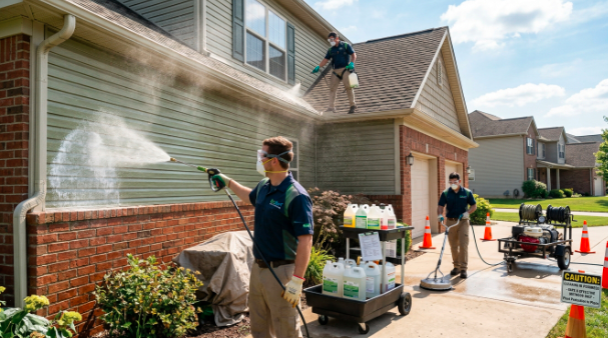
Unlike traditional pressure washing methods that rely on force to remove dirt, low-pressure cleaning focuses on chemical treatment and gentle rinsing. This approach is especially useful for surfaces that are sensitive to strong water pressure. Roof shingles, painted wood, vinyl siding, and decorative exterior finishes can all be damaged by excessive pressure, leading to cracks, water intrusion, or reduced lifespan. The low-pressure method uses specially formulated cleaning agents to break down organic growth and stains before gently rinsing the surface clean. This process not only removes visible dirt but also eliminates bacteria, algae, and mold at their source. In professional cleaning services, soft wash techniques are preferred for delicate surfaces because they provide effective cleaning while preserving material integrity and appearance.
Importance of Exterior Surface Maintenance
Exterior maintenance is about more than appearance alone. Dirt, algae, mold, and mildew can gradually weaken surfaces if left untreated for long periods. Moisture trapped beneath biological growth can lead to rot, staining, and deterioration of structural materials. Roof surfaces may lose efficiency and durability, while siding and painted finishes may become permanently discolored. Regular maintenance helps prevent these issues and extends the lifespan of building materials. Professional soft wash cleaning plays an important role in this process because it safely removes harmful contaminants without causing damage. This not only improves visual appearance but also protects the long-term structural condition of the property.
Surfaces Suitable for Gentle Cleaning Methods
Not all surfaces can handle high-pressure washing safely, which is why low-pressure cleaning methods are becoming increasingly popular. Roofs are among the most common surfaces treated using this method because shingles can easily become damaged under strong pressure. Painted exteriors, stucco, wood panels, fences, decks, and outdoor furniture also benefit from gentler cleaning approaches. Delicate decorative surfaces and older construction materials often require extra care to avoid cracking or surface erosion. In these situations, soft wash systems provide an ideal solution because they combine effective cleaning with material protection. By adjusting pressure levels and cleaning formulas according to surface type, professionals can safely clean a wide range of exterior materials without compromising durability.
Cleaning Solutions and Chemical Application
One of the key components of low-pressure cleaning is the use of specially formulated cleaning solutions. These solutions are designed to break down organic growth, kill bacteria, and remove stains without damaging surfaces. Common contaminants such as algae, mold, mildew, and moss require chemical treatment because simple water rinsing cannot eliminate them completely. Professional cleaning agents penetrate deep into the affected areas and continue working even after rinsing, helping prevent future growth for longer periods. In high-quality soft wash services, cleaning solutions are carefully selected based on surface type and contamination level to ensure both safety and effectiveness. Proper chemical balance is essential because overly strong solutions can damage surfaces, while weak mixtures may fail to remove contaminants completely.
Advantages Over Traditional Pressure Washing
Traditional pressure washing can be effective for concrete and hard surfaces, but it is not always suitable for delicate materials. Excessive pressure can strip paint, loosen shingles, crack siding, and force water into hidden areas where moisture damage may develop. Low-pressure cleaning methods avoid these risks by relying on cleaning chemistry rather than force. This approach provides a deeper and longer-lasting clean because contaminants are treated at their root rather than simply washed away from the surface. Another advantage of soft wash cleaning is that it often requires less water compared to high-pressure methods, making it more environmentally efficient. The process is also quieter and safer for both workers and surrounding landscaping.
Environmental and Safety Considerations
Environmental responsibility is becoming increasingly important in modern cleaning practices. Cleaning runoff, chemical usage, and water consumption must all be carefully managed to minimize environmental impact. Professional cleaning services use biodegradable solutions and controlled application methods to protect surrounding vegetation and water systems. Proper rinsing techniques ensure that chemical residues are minimized after treatment. Worker safety is also a major consideration, especially when cleaning roofs or elevated surfaces. Professional teams follow strict safety procedures including protective equipment usage, secure ladder placement, and controlled chemical handling. In professional soft wash operations, environmental care and worker safety are treated as essential parts of the cleaning process.
Common Challenges in Exterior Cleaning
Exterior cleaning projects often involve challenges that require technical knowledge and experience to manage effectively. Heavy biological growth, stubborn stains, weather conditions, and delicate materials can all complicate the cleaning process. Some surfaces may have years of buildup that require multiple treatments for complete removal. Moisture conditions and temperature can also affect the effectiveness of cleaning solutions and drying times. Inexperienced handling can result in uneven cleaning, surface discoloration, or accidental damage. Professional soft wash specialists understand how to adapt techniques and cleaning formulas according to specific conditions, ensuring safe and consistent results throughout the project.
Long Term Benefits of Routine Cleaning
Regular exterior cleaning provides several long-term benefits beyond immediate visual improvement. Clean surfaces are less likely to develop structural damage caused by mold, algae, and moisture retention. Roofs and siding maintain their appearance and durability for longer periods, reducing the need for repairs or premature replacement. Property value also improves when buildings appear well-maintained and visually appealing. Routine soft wash maintenance helps preserve the integrity of exterior materials while keeping surfaces clean and attractive year-round. Preventive cleaning is often far more cost-effective than repairing damage caused by neglect or aggressive cleaning methods.
Cost Efficiency and Property Value Enhancement
Replacing damaged roofing, siding, or painted surfaces can be extremely expensive, especially when deterioration has been allowed to progress over time. Preventive maintenance through professional cleaning services offers a far more affordable alternative. By removing contaminants early and preserving surface integrity, property owners can avoid major restoration costs in the future. In addition, clean and well-maintained exteriors significantly improve curb appeal, making properties more attractive to visitors, buyers, or tenants. Investing in professional soft wash services therefore provides both protective and financial benefits by improving appearance while reducing long-term maintenance expenses.
Role of Professional Expertise in Cleaning Services
Exterior cleaning requires more than simply spraying water on surfaces. Different materials react differently to pressure levels and cleaning chemicals, which means technical knowledge is essential for safe and effective results. Professionals understand how to identify contamination types, select appropriate cleaning agents, and adjust application methods according to surface conditions. They also use specialized equipment designed specifically for low-pressure systems and controlled chemical application. In professional soft wash projects, expertise ensures that surfaces are cleaned thoroughly without causing unnecessary wear or damage. This level of precision is especially important for delicate materials and high-value properties where surface preservation is a priority.
Future Developments in Exterior Cleaning Technology
Advancements in cleaning technology are continuously improving the effectiveness and sustainability of exterior maintenance methods. New biodegradable cleaning solutions are being developed to provide stronger cleaning power while reducing environmental impact. Equipment technology is also evolving, allowing more precise chemical application and improved water efficiency. Smart cleaning systems and automated equipment may eventually improve consistency and reduce labor requirements in large-scale cleaning projects. As property owners continue to prioritize surface preservation and environmentally responsible maintenance, soft wash cleaning will likely become even more popular as a safe and effective alternative to traditional high-pressure methods.
Conclusion
Maintaining clean and protected exterior surfaces is essential for preserving both the appearance and structural integrity of buildings. Traditional cleaning methods may remove visible dirt quickly, but they can also cause unnecessary damage to delicate materials. Modern low-pressure cleaning systems provide a safer and more effective solution by combining specialized cleaning agents with gentle rinsing techniques. Through proper preparation, professional expertise, and routine maintenance, soft wash cleaning helps remove harmful contaminants while extending the lifespan of exterior materials. Its ability to deliver deep cleaning results without damaging surfaces makes it one of the most reliable and practical methods for long-term exterior maintenance and property protection.