



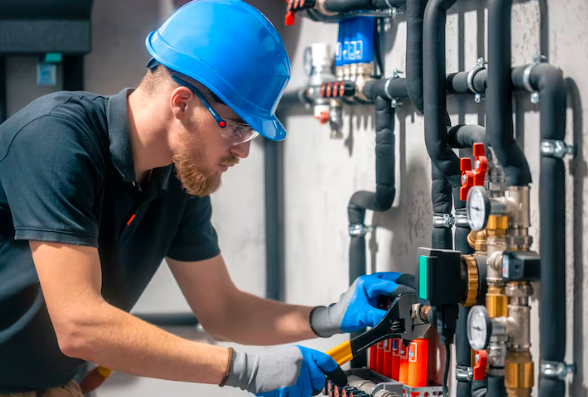
Commercial plumbing is a foundational component of modern infrastructure that often goes unnoticed until something goes wrong. Behind every functioning office building, shopping complex, hospital, hotel, factory, and educational institution lies a complex network of plumbing systems designed to deliver clean water, remove waste efficiently, and maintain safe sanitary conditions. Unlike residential plumbing, commercial plumbing systems are significantly more complex, larger in scale, and subject to far higher usage demands, which makes their design, installation, and maintenance far more critical.
As urban development continues to expand and buildings become more advanced in both size and functionality, the importance of reliable plumbing systems has increased dramatically. Businesses rely on uninterrupted water supply and waste management to maintain operations, ensure hygiene, and comply with strict health and safety regulations. Even a minor plumbing issue in a commercial setting can lead to operational downtime, financial losses, reputational damage, and in some cases, legal complications.
Understanding commercial plumbing requires a closer look at its structure, complexity, maintenance requirements, and the specialized expertise needed to manage it effectively. It is not simply an extension of residential plumbing but an entirely different discipline that integrates engineering, safety standards, and large-scale system design.
Understanding the Structure of Commercial Plumbing Systems
Commercial plumbing systems are designed to support high-volume usage and continuous operation. Unlike residential systems that serve a limited number of occupants, commercial systems must accommodate hundreds or even thousands of users daily. This requires larger pipes, more powerful pumps, and more complex distribution networks.
At the core of a commercial plumbing system are three primary components: water supply systems, drainage systems, and venting systems. The water supply system ensures a steady flow of clean water throughout the building. This includes connections to municipal water lines, booster pumps for pressure regulation, and internal piping networks that distribute water to restrooms, kitchens, cooling systems, and industrial equipment.
The drainage system is responsible for removing wastewater efficiently and safely. This includes wastewater from sinks, toilets, floor drains, and industrial processes. Drainage systems in commercial buildings are designed with larger capacity pipes and gravity-based flow systems that help prevent blockages and backups.
The venting system plays a crucial role in maintaining proper air pressure within the plumbing network. Without adequate venting, wastewater flow could become irregular, leading to slow drainage, unpleasant odors, and potential system failures. Vent pipes allow air to enter the system, ensuring smooth and balanced water flow.
Key Differences Between Commercial and Residential Plumbing
One of the most significant distinctions between commercial and residential plumbing lies in scale. Commercial systems must handle far greater water usage and waste output, often operating continuously throughout the day. This increased demand requires stronger materials, more durable infrastructure, and more frequent maintenance.
Another key difference is complexity. Commercial buildings often include multiple floors, diverse functional areas, and specialized equipment that requires integrated plumbing solutions. For example, restaurants require grease traps, hospitals require sterilization systems, and manufacturing facilities may require industrial-grade water processing systems.
Regulatory compliance is also more stringent in commercial plumbing. Businesses must adhere to local building codes, health regulations, and safety standards that govern water quality, waste disposal, and system design. These regulations are often more detailed and strictly enforced compared to residential requirements.
Maintenance frequency is another important distinction. Commercial plumbing systems requireregular inspections and preventive maintenance to ensure uninterrupted operation. Any failure can impact business operations directly, making reliability a top priority.
Common Components Found in Commercial Plumbing Systems
Commercial plumbing systems incorporate a wide range of specialized components designed to support heavy usage and ensure efficiency. One of the most important components is the water heater system. Commercial water heaters are significantly larger than residential units and are designed to supply consistent hot water to multiple outlets simultaneously.
Backflow prevention devices are also essential in commercial systems. These devices prevent contaminated water from flowing backward into clean water supplies, protecting public health and ensuring compliance with safety regulations.
Grease traps are commonly used in commercial kitchens to separate fats, oils, and grease from wastewater before it enters the drainage system. Without grease traps, these substances can accumulate and cause severe blockages in sewer lines.
Sump pumps and booster pumps are often used to regulate water pressure and manage water flow in large buildings. These systems help ensure consistent performance even in high-demand environments.Industrial-grade pipes made from materials such as copper, steel, and PVC are selected based on durability, pressure resistance, and chemical compatibility. The choice of materials plays a critical role in system longevity and performance.
Importance of Preventive Maintenance in Commercial Plumbing
Preventive maintenance is one of the most important aspects of managing commercial plumbing systems. Because these systems operate continuously under heavy demand, even minor issues can escalate quickly if not addressed in time.
Routine inspections help identify leaks, corrosion, blockages, and pressure irregularities before they become major problems. Maintenance professionals often use advanced diagnostic tools such as camera inspections, pressure testing, and thermal imaging to detect hidden issues within the system.Regular cleaning of drains and pipes is also essential to prevent buildup and blockages. In commercial kitchens, for example, grease accumulation can quickly lead to drainage failure if not properly managed.
Water pressure checks, valve inspections, and fixture evaluations are also part of a comprehensive maintenance plan. These procedures help ensure that the system operates efficiently and safely at all times.Preventive maintenance not only reduces the risk of unexpected breakdowns but also extends the lifespan of the entire plumbing system. For businesses, this translates into reduced repair costs, fewer operational disruptions, and improved long-term reliability.
Challenges Faced in Commercial Plumbing Systems
Commercial plumbing systems face a wide range of challenges due to their scale and complexity. One of the most common issues is pipe corrosion, which occurs over time due to constant exposure to water, chemicals, and environmental conditions. Corrosion can lead to leaks, reduced water quality, and eventual system failure if not addressed.
Clogging and blockages are another frequent challenge, particularly in high-usage environments such as restaurants, hotels, and hospitals. Improper waste disposal, grease buildup, and foreign objects can obstruct drainage systems and cause backups.Water pressure inconsistencies can also create operational problems. Low pressure may affect equipment performance, while high pressure can damage pipes and fixtures. Maintaining balanced pressure throughout a large building requires careful system design and regular monitoring.
Leaks in hidden areas such as walls, ceilings, and underground piping can be difficult to detect and may cause significant structural damage over time. Early detection is critical to minimizing repair costs and preventing long-term damage.
Role of Technology in Modern Commercial Plumbing
Advancements in technology have significantly improved the efficiency and reliability of commercial plumbing systems. Modern diagnostic tools allow technicians to identify problems with greater accuracy and speed than ever before.
Video inspection cameras are commonly used to examine the interior of pipes without requiring extensive excavation or dismantling. This allows for quick identification of blockages, cracks, or structural damage.
Smart sensors are increasingly being integrated into plumbing systems to monitor water usage, detect leaks, and track pressure changes in real time. These systems provide valuable data that helps facility managers make informed maintenance decisions.Automated water management systems can regulate flow rates and detect irregularities, reducing water waste and improving overall efficiency. In large commercial buildings, these systems contribute significantly to sustainability efforts.
Digital maintenance tracking systems also help schedule inspections, document repairs, and manage system performance over time. This improves organization and ensures that no critical maintenance tasks are overlooked.
Health and Safety Considerations
Health and safety are central concerns in commercial plumbing design and maintenance. Poorly maintained systems can lead to contamination, waterborne diseases, and unsafe working conditions.Proper sanitation is essential in environments such as hospitals, restaurants, and schools. Plumbing systems must be designed to prevent cross-contamination and ensure the safe disposal of wastewater.
Backflow prevention is particularly important in protecting potable water supplies from contamination. Regular testing and maintenance of these devices are required to ensure compliance with safety standards.Temperature control in hot water systems is also a safety consideration, as excessively high temperatures can cause scalding risks. Proper system calibration helps maintain safe water temperatures throughout the building.
Sustainability and Water Efficiency in Commercial Plumbing
Sustainability has become a major focus in modern commercial plumbing design. Businesses are increasingly adopting water-efficient systems to reduce consumption and lower operational costs.Low-flow fixtures, sensor-activated faucets, and water-efficient toilets are commonly used to minimize water waste. These technologies help reduce overall water usage without compromising performance.
Greywater recycling systems are also becoming more popular in large commercial buildings. These systems reuse wastewater from sinks and showers for non-potable applications such as irrigation and flushing.Rainwater harvesting systems provide another sustainable solution by collecting and storing rainwater for later use. This reduces reliance on municipal water supplies and supports environmental conservation efforts.
Energy-efficient water heating systems also contribute to sustainability by reducing energy consumption and lowering utility costs.Due to the complexity of commercial plumbing systems, skilled professionals are essential for installation, maintenance, and repair. Commercial plumbers must have advanced training in system design, building codes, and large-scale infrastructure management.
Conclusion
They are responsible for ensuring that systems meet regulatory standards and operate efficiently under heavy demand. Their expertise is critical in diagnosing complex issues and implementing effective solutions.Ongoing training and certification are often required to keep up with evolving technologies and regulations. This ensures that professionals remain capable of handling modern plumbing challenges effectively.
Commercial plumbing is a vital component of modern infrastructure that supports the daily operations of businesses, institutions, and industrial facilities. Its complexity, scale, and importance make it far more advanced than residential plumbing systems, requiring specialized knowledge, regular maintenance, and advanced technology to function effectively.
From water supply and drainage systems to sustainability initiatives and smart monitoring technologies, commercial plumbing plays a crucial role in ensuring safety, efficiency, and reliability in built environments. As buildings continue to grow in size and sophistication, the demand for skilled professionals and innovative plumbing solutions will only continue to rise.
Ultimately, well-designed and properly maintained commercial plumbing systems are essential for the smooth functioning of modern society, supporting everything from basic sanitation to large-scale industrial operations while promoting health, safety, and environmental responsibility.