

For a long time, movies based on video games had a bad reputation. Fans often left theatres disappointed. Critics were rarely impressed. Studios often rushed projects and hoped the brand name would do all the work. Most of the time, it didn’t.
That’s finally changed. Over the last decade, video game adaptations have started to succeed. Some have become box office hits. Others have launched full franchises. Audiences now show up excited instead of cautious.
This shift didn’t happen overnight though. It came from better planning, better technology, and a better understanding of what gamers actually want to see.
Why Early Game Movies Struggled
Early video game movies often failed because they tried to copy games directly without really understanding them. Games are interactive. Movies aren’t. That difference matters.
Studios also underestimated gaming audiences. They thought fans would accept anything as long as a familiar name was attached. Instead, fans noticed every little mistake. Characters felt wrong. Stories felt rushed. Worlds felt empty.
Technology was another problem. Older visual effects made it hard to bring fantasy settings to life. Creatures, environments, and action scenes often looked unfinished or unrealistic.
The Movies That Proved It Could Work
The biggest success story is The Super Mario Bros. Movie (2023). It respected Nintendo’s world and kept things fun. The result was huge box office numbers and strong repeat viewings. Kids loved it. Adults who grew up with Mario loved it too.
The Sonic the Hedgehog movies followed a similar path. The first film adjusted its design after fan criticism. That decision helped build trust. By the second and third films, Sonic had become a reliable hit with strong openings and solid long-term performance.
Another recent hit is A Minecraft Movie (2025). Many doubted it could work since Minecraft doesn’t really have a traditional story. The film focused on creativity and visual style instead. The opening weekend numbers showed that audiences responded quite well.
Live Action Fan Favourites
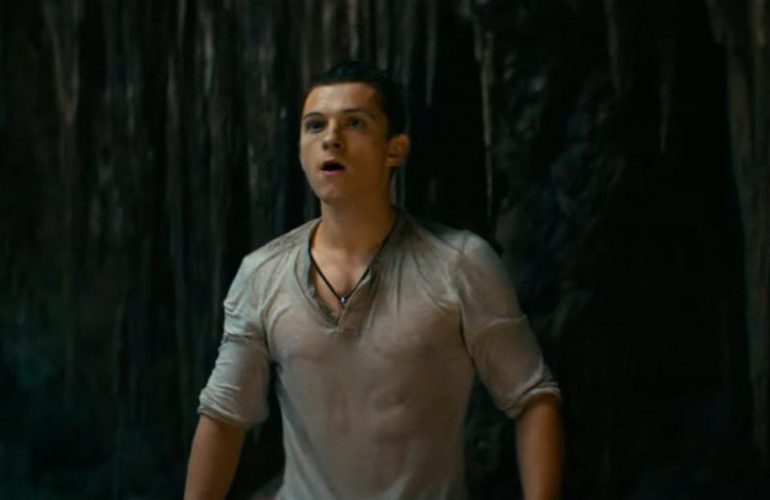
Animation leads the genre, but live-action films have found success too. Uncharted (2022) performed better than expected. Tom Holland helped attract younger audiences, while the adventure format stayed close to the games.
One of the earliest examples of this working is Lara Croft: Tomb Raider (2001). When most video game movies struggled, Tomb Raider stood out. It performed well at the box office and proved that a strong lead and focus on action could carry a video game adaptation. The original Tomb Raider movie remains an important moment for the genre.
Pokémon: Detective Pikachu took a different approach. It avoided retelling known stories and instead created a new mystery within a familiar world. That balance helped both longtime fans and newcomers connect with it.
Gaming Worlds Beyond Movies
Video game adaptations don’t exist only in theatres anymore. Successful franchises expand quickly. They move into television, merchandise, theme parks, and other forms of entertainment.
Some gaming brands even appear in casino games, and some have slot versions like what you can find at freespins.us. This kind of expansion shows how flexible gaming intellectual property has become.
For studios and investors, this cross-media potential is just as important as ticket sales.
Why Video Game Movies Will Keep Growing
Studios now treat video game adaptations as long-term projects. Sequels are planned early, and creative teams are chosen more carefully. Many directors and writers today grew up playing these games. Fan feedback matters more than before.
Studios also take more time. Instead of trying to fit a full game story into one movie, they focus on matching the game’s spirit. Audiences are also more open to these movies. When fans sense respect for the source material, they’re more willing to support it.
Final Thoughts
Video game movies took years to find their place. Today, they’re one of Hollywood’s most reliable genres. When done right, they combine strong visuals, built-in audiences, and good storytelling.
As long as studios continue to take games seriously, this trend will keep growing.