



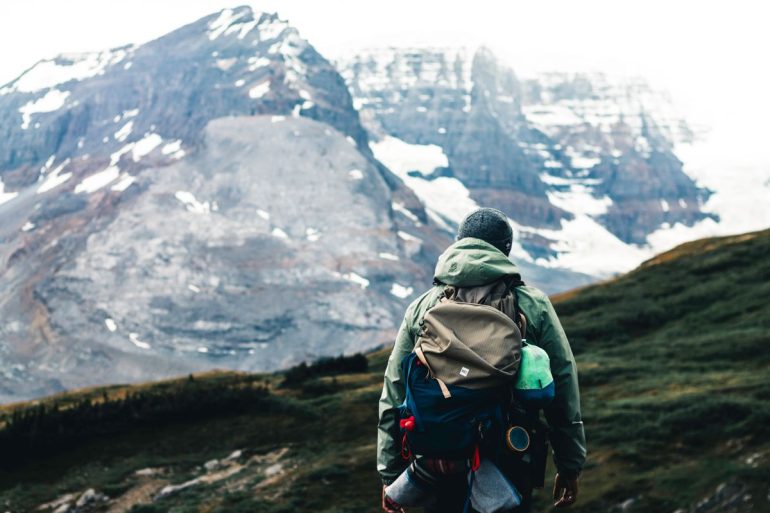
There’s a meaningful difference between people who go outdoors and people who are prepared for it.
Anyone who spends real time in the backcountry — hiking trails that don’t have cell signal, camping in conditions that change overnight, hunting or fishing in terrain that doesn’t forgive poor planning — knows this distinction well. The wrong gear at the wrong moment doesn’t just create discomfort. It ends trips early and, in serious situations, creates real risk.
The outdoor gear market has never been larger or more accessible. The challenge now isn’t finding equipment — it’s knowing what actually matters versus what just looks compelling in a catalog.
Start With Honest Use-Case Assessment
The most common mistake new outdoor enthusiasts make is buying gear calibrated for adventures they imagine rather than the ones they actually take.
Someone who does weekend car camping, day hikes, and occasional trail runs needs very different gear from someone doing week-long backcountry expeditions. Gear that’s overbuilt for your use case wastes money. Gear that’s underbuilt is a liability when conditions get challenging.
The questions worth asking before any purchase: How often will I actually use this? What are the realistic conditions — temperature range, terrain type, proximity to help? What’s the failure consequence if this item underperforms?
Answering those honestly makes every other decision cleaner.
The Foundation: Purpose-Built Equipment for Your Activity
Once you’ve defined your actual use case, the foundation of a solid outdoor kit is reliable equipment matched to that purpose.
Hunting and fishing gear, camping essentials, footwear built for varied terrain, layering systems that keep you functional across changing weather — the brands that have been doing this for decades earned their reputation by building things that hold up when conditions get real. That full range is what a place like Gander Mountain stocks, and the advantage of going to a specialist rather than a general retailer is that the selection is curated for actual outdoor use rather than weekend lifestyle aesthetics.
Don’t cut corners on the items you’ll depend on most. A sleeping bag rated for the actual temperatures you’ll encounter, footwear that fits correctly and is broken in before you need it, and navigation tools that don’t rely on battery or signal are the items where spending more reliably pays off.
Your Truck Is Part of the Setup
For a significant portion of serious outdoor enthusiasts, the truck isn’t just transportation — it’s the platform everything else is built around.
Overlanders, hunters, anglers, and backcountry campers all know the truck’s capabilities define where you can actually go. Ground clearance matters. Recovery gear in the bed matters. And the truck’s body — particularly the rocker panels and the approach and departure geometry — matters more than most people consider until they’ve made contact with something expensive.
Heavy-gauge steel running boards from Go Rhino address the step problem specifically: finishes that hold up to trail mud and UV exposure, designs that don’t sacrifice ground clearance for convenience. When you’re stepping out onto uneven terrain at a trailhead or loading gear into a high bed after a long day, solid footing is not a secondary concern. Cheap step bars flex and corrode; well-engineered ones are still functioning properly five years and fifty trails later.
Clothing and Layering
Outdoor clothing is probably the most misunderstood category for people newer to serious outdoor activity.
The goal of a proper layering system isn’t warmth — it’s temperature regulation across a range of activity levels and conditions. A moisture-wicking base layer moves sweat away from the skin. An insulating mid-layer retains heat when you’re stationary. A weather-resistant shell blocks wind and precipitation without trapping heat during exertion.
Cotton is the wrong choice in almost every active outdoor context. It absorbs moisture and holds it, which means you’re cold and wet simultaneously the moment you stop moving. Merino wool and synthetic blends manage moisture while maintaining insulating properties even when damp.
The layering system also needs to be compatible — pieces that work together rather than fighting each other when you add or remove based on exertion level.
Navigation and Safety
The most experienced outdoor people are not the ones who never get into trouble. They’re the ones who don’t get into trouble they can’t get out of.
Navigation tools are non-negotiable regardless of how well you know the terrain. A phone with downloaded offline maps is useful but insufficient — batteries die, screens crack, and the moment you actually need it is often the moment the device fails. A dedicated GPS device or a quality paper topographic map with a compass provides redundancy that matters.
A wilderness first aid kit and the knowledge to use it should be part of every kit. Most incidents in the field are manageable with basic preparation. The ones that aren’t are exactly the situations that knowledge and supplies exist for.
The Mindset That Separates Experienced Outdoorspeople
The best prepared people outdoors aren’t the ones with the most gear. They’re the ones who understand what they have completely — what each item does, what its limitations are, and how to get the most out of it under pressure.
This means buying less and buying more intentionally. It means time spent outside often enough that the gear feels like an extension of judgment rather than a collection of items being figured out in the field. And it means being honest about turn-around conditions — the experienced person who turns back makes better decisions than the inexperienced one who doesn’t.
Good gear is only part of the equation. The person carrying it is the other part, and no amount of equipment compensates for poor judgment in the field.
Staying Sharp Between Trips
The preparation that happens between trips matters as much as what you pack for them.
Reviewing what worked and what didn’t after every outing builds practical knowledge faster than any guide. Maintaining gear between uses — cleaning, drying, inspecting for wear — extends its life and prevents the kind of failure you discover at the worst possible time. And building fitness appropriate for the demands of planned activity means the physical side doesn’t become the limiting factor.
The outdoors rewards consistency. Regular, well-prepared outings accumulate into real capability over time. Infrequent, poorly planned ones accumulate into frustration. The gear matters, but the habit of going out and doing the work is what actually builds the skill.