



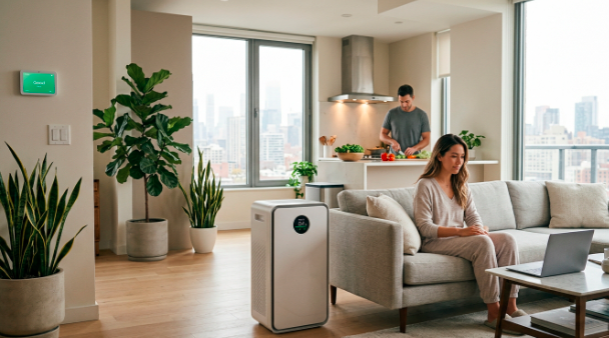
Clean air is one of the most essential elements for maintaining good health and overall well-being. People often focus on healthy diets, exercise, and lifestyle improvements while overlooking the quality of the air they breathe every day. Indoor environments such as homes, offices, schools, and commercial spaces can contain pollutants that negatively affect physical health, comfort, and productivity. As awareness about environmental health continues to grow, more individuals and businesses are turning their attention toward effective solutions for improving indoor air quality. Modern lifestyles involve spending a significant amount of time indoors, making air quality an important factor in daily life. Dust, allergens, smoke, bacteria, mold spores, and chemical pollutants can accumulate inside buildings, creating unhealthy environments. Poor indoor air quality may lead to allergies, respiratory issues, fatigue, headaches, and reduced concentration. This growing concern has increased the demand for professional solutions focused on air purification and healthier indoor living. Advancements in technology have made air cleaning systems more efficient and accessible than ever before. Today, air purification systems are used in residential, commercial, healthcare, and industrial settings to remove contaminants and create safer indoor environments. As environmental awareness increases, clean indoor air is becoming a priority rather than a luxury.
Understanding Indoor Air Pollution
Indoor air pollution refers to the presence of harmful particles, gases, and biological contaminants within enclosed spaces. Many people assume outdoor pollution is the primary threat to air quality, but indoor environments can often contain even higher concentrations of pollutants.Common indoor pollutants include dust, pollen, pet dander, mold spores, smoke, volatile organic compounds, and airborne bacteria. Household cleaning products, paints, furniture materials, and poor ventilation can also contribute to air contamination.Indoor pollution can build up over time, especially in spaces with limited airflow. Without proper ventilation or cleaning systems, these contaminants continue circulating throughout the environment, affecting the health and comfort of occupants.Poor air quality may cause immediate discomfort such as coughing, sneezing, throat irritation, and headaches. Long-term exposure can contribute to chronic respiratory conditions, asthma complications, and reduced overall wellness.
The Role of Air Purification Systems
Air purification systems are designed to remove harmful contaminants from indoor air. These systems use advanced filtration technologies to capture particles, neutralize pollutants, and improve overall air quality.Modern air purifiers typically include filters such as HEPA filters, activated carbon filters, and ultraviolet purification systems. HEPA filters are highly effective at capturing microscopic particles including dust, allergens, and bacteria. Activated carbon filters help absorb odors, smoke, and chemical pollutants, while ultraviolet systems can reduce airborne microorganisms.Air purification systems work continuously to circulate and clean indoor air. By reducing airborne contaminants, these systems create healthier and more comfortable environments for occupants.The effectiveness of an air purifier depends on factors such as room size, filter quality, maintenance, and airflow capacity. Choosing the right system is important for achieving optimal results and maintaining long-term air quality improvements.
Health Benefits of Clean Indoor Air
Reduced Allergies and Respiratory Issues
One of the primary benefits of improved indoor air quality is the reduction of allergens and respiratory irritants. Dust mites, pollen, mold spores, and pet dander are common triggers for allergies and asthma symptoms.Air cleaning systems help remove these particles from the environment, reducing exposure and improving breathing comfort. Individuals with asthma, allergies, or other respiratory conditions often experience significant relief when indoor air quality improves.Cleaner air also reduces irritation of the eyes, nose, and throat, creating a more comfortable living and working environment.
Better Sleep Quality
Air quality can directly affect sleep patterns and overall restfulness. Polluted indoor air may cause congestion, coughing, and breathing discomfort during sleep, leading to poor sleep quality and fatigue.Clean indoor air supports easier breathing and a more comfortable sleeping environment. People who use air cleaning systems often report improved sleep quality, better relaxation, and increased energy levels throughout the day.
Improved Mental Focus and Productivity
Poor air quality can negatively impact concentration, memory, and mental clarity. Airborne pollutants may contribute to headaches, fatigue, and reduced cognitive performance.Cleaner indoor environments help support focus, productivity, and overall mental well-being. Offices, schools, and workspaces with better air quality often experience improved employee and student performance.By maintaining healthier indoor conditions, businesses and institutions can create environments that encourage efficiency and comfort.
Protection Against Airborne Contaminants
Modern indoor environments are exposed to various airborne contaminants, including bacteria, viruses, and chemical pollutants. Air cleaning systems help reduce the concentration of these harmful particles within enclosed spaces.This added layer of protection is especially valuable in healthcare facilities, offices, schools, and public areas where large numbers of people gather regularly.Improved air quality contributes to healthier indoor conditions and supports overall wellness for occupants.
Residential Air Quality Solutions
Homeowners are becoming increasingly aware of the importance of maintaining healthy indoor air. Residential spaces can accumulate pollutants from cooking, cleaning products, pets, carpets, furniture, and inadequate ventilation.Installing air cleaning systems in homes helps reduce allergens, odors, and airborne particles while improving overall comfort. Families with children, elderly individuals, or pets often benefit greatly from cleaner indoor air.Modern residential air systems are available in various sizes and designs to suit different room dimensions and household needs. Some systems are portable, while others integrate directly into heating and cooling systems for whole-home coverage.Regular maintenance is essential for ensuring optimal performance. Filters should be replaced according to manufacturer recommendations to maintain effective air cleaning results.
Commercial and Workplace Applications
Businesses and commercial properties also benefit significantly from improved indoor air quality. Offices, retail spaces, restaurants, hotels, and educational institutions rely on clean environments to support customer satisfaction and employee well-being.Poor air quality in workplaces can lead to discomfort, reduced productivity, and increased absenteeism due to health-related issues. By investing in cleaner indoor environments, businesses create healthier and more attractive spaces for employees and visitors.Commercial air systems are often larger and more advanced than residential units. These systems are designed to manage larger indoor spaces with higher occupancy levels and increased ventilation demands.Maintaining clean air also improves the professional image of businesses by demonstrating commitment to health, safety, and customer comfort.
Technological Advancements in Air Cleaning Systems
The air quality industry has evolved rapidly through technological innovation. Modern systems are more energy-efficient, quieter, and more effective at removing contaminants than earlier models.Smart air purifiers now include digital monitoring systems that track air quality in real time. Users can monitor pollutant levels, filter conditions, and system performance through mobile applications and digital displays.Advanced filtration technologies continue to improve the effectiveness of air cleaning systems. Some modern units can target microscopic particles, chemical pollutants, and biological contaminants simultaneously.Energy-efficient designs also help reduce electricity consumption while maintaining continuous air cleaning performance. These improvements make modern systems more practical and affordable for everyday use.
The Importance of Proper Ventilation
While air cleaning systems are highly effective, proper ventilation remains an essential component of healthy indoor air quality. Ventilation allows fresh outdoor air to circulate through indoor spaces while reducing the buildup of pollutants.Poor ventilation can trap contaminants inside buildings, leading to stale air and increased pollutant concentrations. Combining ventilation with air purification technology creates a more balanced and effective indoor air management system.Building design, airflow patterns, and climate conditions all influence ventilation efficiency. Professional evaluation can help determine the best approach for maintaining healthy indoor environments.
Eco-Friendly Approaches to Indoor Air Quality
Environmental sustainability has become an important consideration in modern air quality solutions. Many manufacturers now produce eco-friendly systems designed to minimize energy consumption and environmental impact.Energy-efficient air systems reduce electricity usage while maintaining strong performance. Some models also use recyclable filters and environmentally safe materials to support sustainable practices.Improving indoor air quality through environmentally responsible methods benefits both personal health and environmental protection. Sustainable technologies continue to shape the future of indoor air management.
Common Misconceptions About Indoor Air Quality
Despite growing awareness, several misconceptions about indoor air quality still exist. One common belief is that indoor air is always cleaner than outdoor air. In reality, indoor spaces can accumulate pollutants at higher concentrations due to limited airflow and continuous exposure to household contaminants.Another misconception is that opening windows alone is enough to maintain healthy air. While ventilation helps improve airflow, it may not effectively remove microscopic particles, allergens, or chemical pollutants.Some people also assume that air cleaning systems require constant maintenance and high operating costs. Modern systems are designed for convenience and efficiency, with many models requiring only routine filter replacements and occasional cleaning.Understanding these misconceptions helps individuals make informed decisions about improving indoor air quality.
Air Purification and Long-Term Wellness
Long-term exposure to poor indoor air quality can negatively affect overall health and quality of life. Respiratory discomfort, allergies, fatigue, and chronic irritation are common problems associated with polluted indoor environments.Investing in air purification supports long-term wellness by reducing exposure to harmful airborne particles and improving breathing conditions. Cleaner indoor environments contribute to physical comfort, mental clarity, and healthier lifestyles.As people become more conscious of environmental health, maintaining indoor air quality is becoming an essential part of modern wellness strategies. Clean air is no longer viewed as a secondary concern but as a fundamental aspect of healthy living.
Choosing the Right Air Cleaning Solution
Selecting the right system depends on several factors, including room size, air quality concerns, budget, and maintenance preferences. Some systems are specifically designed for allergy relief, while others focus on odor removal or advanced microbial protection.Consumers should evaluate filtration technologies, energy efficiency, noise levels, and replacement filter availability before making a decision. Professional consultation may also help identify the most suitable solution for specific indoor environments.Reliable products from reputable manufacturers typically offer better performance, durability, and long-term value.
The Future of Indoor Air Quality Management
The future of indoor air management is expected to focus heavily on smart technology, sustainability, and health-centered design. As awareness about environmental health continues to grow, demand for advanced air cleaning systems will likely increase across residential and commercial sectors.Emerging technologies may include artificial intelligence-based air monitoring, advanced filtration materials, and integrated building systems capable of automatically adjusting indoor conditions based on real-time air quality data.Healthcare facilities, schools, offices, and public spaces are expected to adopt more advanced solutions to maintain healthier indoor environments for occupants.Growing interest in wellness-focused living and sustainable building design will continue driving innovation in the air quality industry.
Conclusion
Clean indoor air is essential for maintaining health, comfort, and overall quality of life. Modern indoor environments can contain numerous pollutants that negatively affect physical well-being and productivity. Addressing these concerns requires effective strategies that combine proper ventilation, advanced filtration systems, and routine maintenance.Professional air cleaning technologies have become increasingly important for homes, workplaces, and public spaces. By reducing allergens, pollutants, and airborne contaminants, these systems help create safer and healthier indoor environments.One of the most effective solutions available today is air purification which supports better respiratory health, improved comfort, and enhanced indoor living conditions. As awareness about environmental wellness continues to grow, air cleaning systems will play an even greater role in modern lifestyles.The future of indoor air quality management looks promising as technology continues to advance and sustainability becomes a priority. Investing in cleaner air today is an investment in long-term health, comfort, and well-being for future generations.