



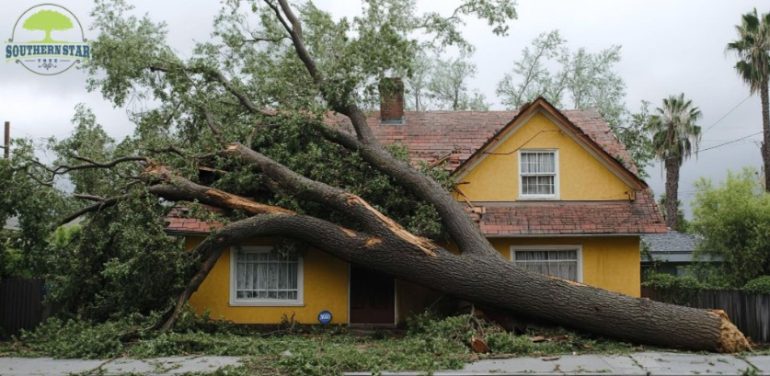
Trees don’t usually fail all at once. There’s almost always a lead-up a branch that’s been dead for a season, a crack that’s been quietly widening, roots that have been struggling underground long before anything looks wrong up top. The trouble is, most of that happens where nobody’s looking. A tree can seem perfectly fine from the driveway and still be in real trouble.
That gap between “looks fine” and “is fine” is exactly why so many homeowners eventually call in a professional tree service in Alpharetta rather than waiting to find out the hard way. Catching a problem early is usually the difference between a quick treatment and an expensive removal, sometimes an emergency one.
Here’s what’s actually worth watching for.
Dead or Dying Branches
Losing a few small twigs here and there is completely normal. But when you start seeing larger branches with no leaves during the growing season, that’s a different situation entirely.
Dead wood doesn’t happen for no reason. It’s usually disease, pests, root damage, or decay working from the inside out. And practically speaking, it’s dangerous a dead limb doesn’t need much of a storm to come down, and it can land on a car, a roof, or worse.
If part of the canopy looks bare while the rest is leafing out fine, don’t write it off. That kind of unevenness is worth a closer look, because it might be isolated, or it might be the first visible sign of something bigger going on.
Leaves Acting Off
Leaves are often the first thing to tell on a tree.
Keep an eye out for:
- Yellowing that’s out of season
- Browning edges or spotting
- Leaves coming in smaller than usual
- Dropping early
- Thin, patchy spots in the canopy
It’s tempting to assume the tree just needs more water, but a lot of the time the real cause is happening underground root stress, nutrient problems, that sort of thing. These changes tend to be gradual, which is exactly why they’re easy to miss until they’re not subtle anymore.
Cracks and Splits in the Trunk
The trunk is doing the structural heavy lifting for the whole tree, so a deep crack or vertical split isn’t something to shrug off.
Some show up after a bad storm. Others come from internal decay that’s been building for years, or temperature swings that stress the wood. A tree can look sturdy on the outside and still be compromised by a split you’d only notice if you were looking for it.
Not every crack is an emergency a shallow surface crack usually isn’t. But deeper ones open the door for insects, fungus, and moisture to get in, and that tends to speed everything up.
Fungal Growth at the Base
Mushrooms around the trunk look harmless enough, but they’re often a sign that decay is already happening beneath the surface.
Because that decay is underground, it’s easy for a homeowner to have no idea how far it’s progressed. If mushrooms keep showing up in the same spot season after season, that’s worth paying attention to — especially once decay starts reaching the major roots, since that’s what keeps the tree anchored in bad weather.
Peeling Bark and Open Wounds
Bark is basically the tree’s skin. When it starts peeling off in noticeable patches, something underneath is usually the reason.
Exposed tissue is vulnerable it’s an open invitation for pests and disease to move in. Wounds like this can come from storm damage, construction work nearby, a run-in with a mower or trimmer, or pruning that wasn’t done quite right. Trees can bounce back from smaller injuries, but a large bare patch usually means it’s time to have someone take a closer look.
A Lean That Keeps Getting Worse
Plenty of trees grow at an angle naturally and stay that way, stable, for decades. That’s not what we’re talking about here.
What matters is a lean that starts suddenly, or one that keeps increasing over time. That kind of shift usually points to root damage, shifting soil, or storm impact happening below ground — none of which you’d necessarily see just by looking at the canopy.
If you notice roots poking up that weren’t visible before, cracked soil around the base, or the tree just sitting at a different angle than it used to, take that seriously. A tree can be actively destabilizing without showing much sign of it up top.
Too Many Insects
A handful of insects around a tree is just normal outdoor life. A heavy infestation is a different story.
Wood-boring beetles and similar pests tend to target trees that are already stressed or weakened they’re opportunists. Small holes in the bark, sawdust-looking debris near the base, or woodpeckers suddenly showing a lot of interest in one particular tree are all worth noticing. The tricky part is that a lot of this damage happens quietly, out of sight, well before it becomes obvious.
Root Trouble You Can’t See
Roots get overlooked constantly, mostly because they’re invisible. But they’re doing all the real work of keeping a tree fed and upright.
Construction nearby, compacted soil, poor drainage, or even just repeated vehicle traffic over the root zone can all cause damage. When roots are struggling, you’ll often see it show up elsewhere thinning leaves, dieback in the branches, growth that’s slowed way down. It’s rarely obvious that roots are the actual source of the problem, which is part of what makes root issues so easy to miss.
Why Catching This Early Matters
Trees tend to give warning before things go seriously wrong the signals are just quiet, and easy to miss if you’re not looking for them.
Whether it’s odd leaf coloring, mushrooms popping up in the same spot, or a branch that never leafed out this year, catching it early is usually what keeps a manageable problem from turning into an expensive one. It’s also worth learning a bit about conditions like iron chlorosis, since understanding why certain symptoms show up makes it a lot easier to know what to do about them. The same goes for getting familiar with common tree fungus issues they tend to start small and be easy to dismiss.
If something looks off, it’s worth having someone qualified take a look. A little attention now can save a tree that’s taken decades to grow and save you from a much bigger bill later.
Your Trees Are Talking Don’t Ignore the Signs
Trees often show subtle warning signs long before serious problems develop. Paying attention to changes like dead branches, unusual leaves, trunk cracks, or fungal growth can help you address issues early and avoid costly damage. If something doesn’t look right, the experienced team at Southern Star Tree Service can assess the condition of your trees, recommend the right solution, and help keep your landscape healthy, safe, and thriving for years to come.