



Cinema has always been a reflection of society, capturing trends, taboos, and the zeitgeist of various eras. One such cultural phenomenon that has found its way into films is the use of cannabis. From cult classics to mainstream blockbusters, cannabis has played a significant role in shaping narratives and character development. This article delves into the relationship between cannabis culture and cinema, examining how films have depicted cannabis use, its impact on audiences, and the evolving perception of cannabis in society. Additionally, we’ll touch on the convenience of purchasing from a cannabis flower shop online and the rising popularity of devices like the thc vape pen manchester.
Cannabis in Early Cinema
The portrayal of cannabis in early cinema often leaned heavily towards cautionary tales. Films like “Reefer Madness” (1936) were produced to dissuade viewers from cannabis use, depicting exaggerated negative consequences. These films contributed to the stigmatization of cannabis, aligning with the broader social and political climate that vilified its use.
The Shift in the 1960s and 1970s
The 1960s and 1970s marked a significant shift in the portrayal of cannabis on screen. This era, characterized by counterculture movements and a growing acceptance of alternative lifestyles, saw films embracing cannabis more openly. Movies like “Easy Rider” (1969) and “Up in Smoke” (1978) presented cannabis use as a symbol of rebellion and freedom. These films not only resonated with the youth but also began to challenge the negative stereotypes associated with cannabis.
Modern Depictions of Cannabis in Cinema
In recent years, the depiction of cannabis in films has become more nuanced and diverse. The advent of legal cannabis markets and the growing body of research on its benefits have influenced how filmmakers portray cannabis use.
Iconic Cannabis Films and Their Impact
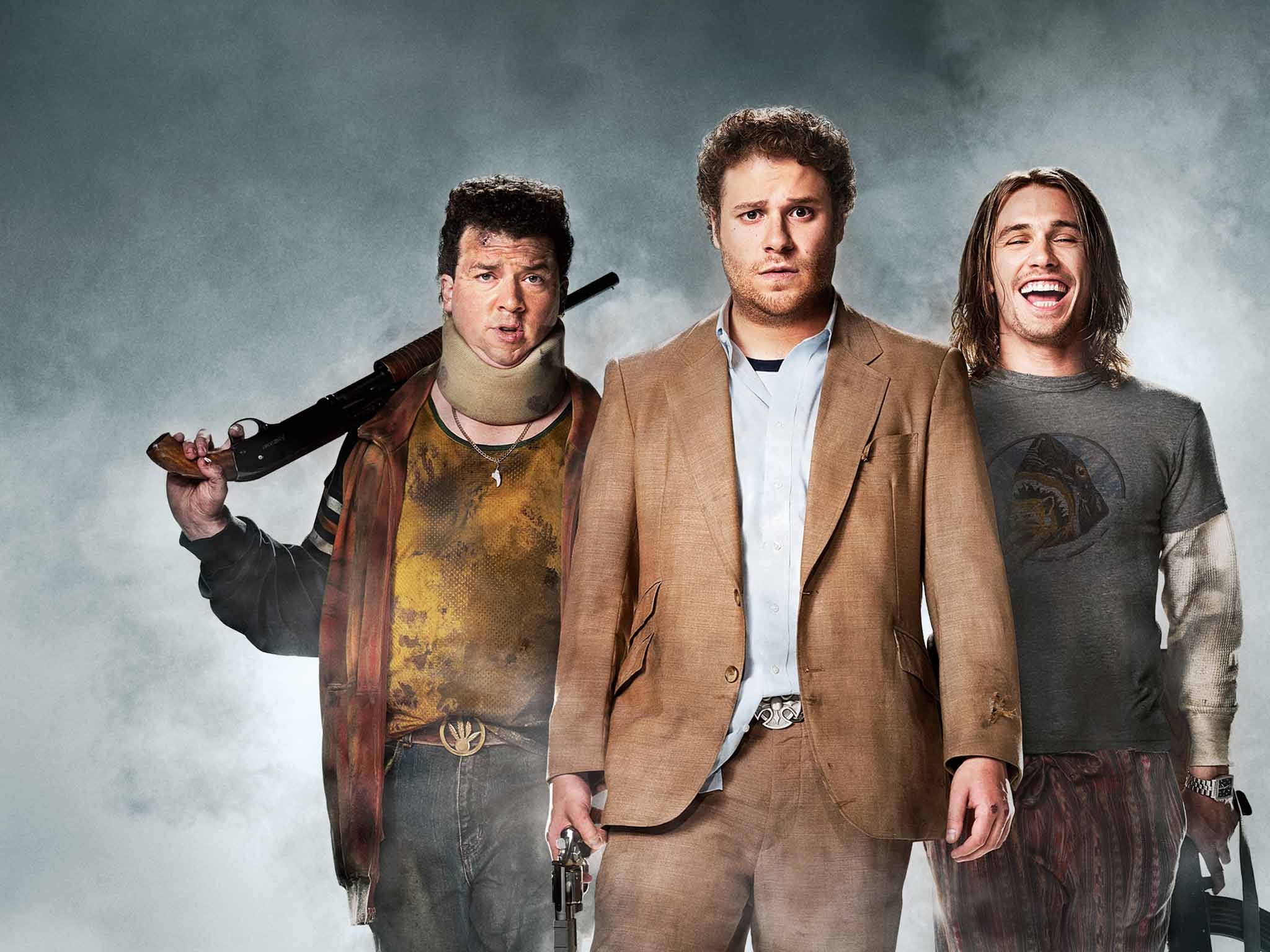
- Pineapple Express (2008): This comedy film, starring Seth Rogen and James Franco, has become a cult classic. It centers around two characters who bond over their shared love of cannabis. The film’s humor and relatable characters helped normalize cannabis use, presenting it in a light-hearted, everyday context.
- The Big Lebowski (1998): The Coen Brothers’ film features Jeff Bridges as “The Dude,” whose laid-back attitude and frequent cannabis use have made him an iconic character. The film’s popularity has contributed to a more relaxed and positive perception of cannabis users.
The Rise of Cannabis Documentaries
Documentaries have also played a crucial role in educating audiences about cannabis. Films like “The Union: The Business Behind Getting High” (2007) and “Weed” (2013), a CNN documentary by Dr. Sanjay Gupta, have provided in-depth looks at the cannabis industry, its medical benefits, and the fight for legalization. These documentaries have helped demystify cannabis and advocate for policy changes.
Cannabis and Cinema: A Symbiotic Relationship
The relationship between cannabis culture and cinema is symbiotic. As societal attitudes towards cannabis have evolved, so too have its portrayals in films. Conversely, these portrayals have influenced public perception, contributing to the gradual destigmatization of cannabis use.
The Convenience of Online Cannabis Shops
In today’s digital age, the ease of purchasing cannabis has significantly improved. Accessing a cannabis flower shop online offers convenience and discretion for consumers. Whether you’re a seasoned user or a newcomer, online shops provide detailed information about different strains, helping users make informed decisions. This accessibility has also been reflected in cinema, where characters are often seen using advanced technology to enhance their cannabis experience.
The Popularity of THC Vape Pens
The rise of THC vape pens in Manchester and other cities highlights a modern trend in cannabis consumption. Vaping offers a discreet and efficient way to enjoy cannabis, aligning with the fast-paced lifestyle of urban dwellers. Films and TV shows have started incorporating vaping devices into their narratives, showcasing their practicality and appeal to younger audiences.
Cannabis and Creative Expression in Film
Cannabis has long been associated with creative expression, and many filmmakers openly discuss how it influences their work. Directors like Quentin Tarantino and Kevin Smith have credited cannabis with enhancing their creativity and helping them develop unique storylines. This relationship between cannabis and creativity is often explored in films, highlighting the plant’s role in artistic endeavors.
The Influence of Cannabis on Filmmaking Techniques
- Enhanced Visuals: Cannabis can heighten sensory perception, which some filmmakers use to create visually stunning scenes. The use of vibrant colors and surreal imagery in films like “Fear and Loathing in Las Vegas” (1998) and “Enter the Void” (2009) exemplifies this technique.
- Innovative Storytelling: Cannabis-influenced narratives often feature non-linear storytelling, dream sequences, and unconventional character arcs. These elements can make films more engaging and thought-provoking.
Conclusion
The portrayal of cannabis in cinema has come a long way from the fear-mongering propaganda of the early 20th century to the nuanced, positive representations we see today. Films have not only mirrored the evolving perceptions of cannabis but have also played a pivotal role in shaping public opinion. As the cannabis industry continues to grow, with conveniences like cannabis flower shop online and the popularity of devices such as THC vape pens in Manchester, it is likely that cinema will continue to explore and reflect these changes. The symbiotic relationship between cannabis culture and cinema underscores the plant’s significant impact on society and creative expression.