



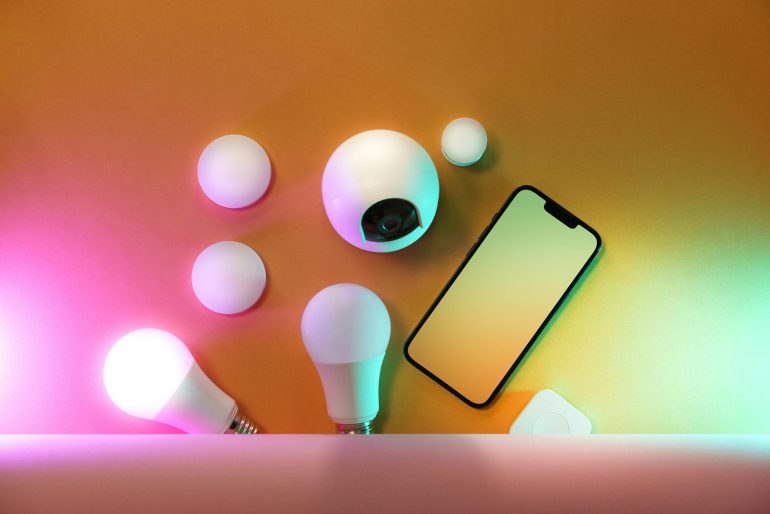
Smart gadgets are already part of daily life, from watches that track sleep to speakers that run your home routines and cameras that replace old security setups. And with so many options on the market, the main question is what actually earns its place in your routine without becoming annoying or unnecessary.
Here’s what you can find on a market.
Smart speakers and AI assistants
Smart speakers are still the easiest entry point into smart homes, and they remain the control centre for most setups.
Devices like the Amazon Echo (4th Gen) and Google Nest Audio are used for music, reminders, smart home control, and quick questions, like “what is the weather?” or “how to play slots.” They also act as hubs for lighting, thermostats and security systems.
The biggest improvement in recent years is better compatibility between devices, thanks to standards like Matter, which helps different brands work together more smoothly.
Smartwatches
Smartwatches are now the default wearable for millions of people, and in 2026, they’re less about novelty and more about routine.
There are a few models you might want to pay close attention to:
- Apple Watch Ultra 2 / Series 10
- Samsung Galaxy Watch 7 / 8
- Google Pixel Watch 3 / 4
- Garmin Venu 4 (fitness-focused option)
Each one targets a slightly different type of user. Apple Watch Ultra 2 is still aimed at users who want durability and long battery life compared to standard models. It’s popular among runners, hikers and people who want a more rugged device.
Samsung Galaxy Watch 8 focuses more on everyday health tracking, sleep data and tight integration with Android phones, while also adding AI-driven features in newer software updates. Google Pixel Watch 4 leans into simplicity and health insights, with deeper Fitbit integration and smoother Google ecosystem support.
The Garmin Venu series is more fitness-focused, built around health tracking, workouts and long battery life rather than apps and notifications. Newer models like the Venu 4 offer up to around 10–12 days of battery life, depending on usage, which is far more than most Apple or Samsung watches can manage on a single charge.
Smart rings
Smart rings are growing in popularity as a simpler alternative to watches. Devices like the Oura Ring Gen 3 focus on sleep, recovery, heart rate and general wellbeing tracking. Instead of showing notifications or apps like a smartwatch, everything is handled in the background through a phone app.
For many people, that’s actually the appeal. No buzzing, no distractions, no constant checking. You just wear it, forget about it, and look at the data later if you want.
Price-wise, smart rings sit in an interesting spot. They’re usually cheaper than high-end smartwatches like the Apple Watch Ultra or premium Garmin models, but not always cheaper than entry-level watches. Some models also come with monthly subscription fees if you want full access to detailed insights, which can add up over time.
Smart home devices
Home security has become one of the most practical uses of smart tech.
Devices like the Ring Video Doorbell Pro 2, Google Nest Cam, and Arlo Pro 5 are widely used across the UK. They let people see who’s at the door, check their home remotely and receive motion alerts in real time.
AI-based detection has improved too, meaning cameras can now distinguish between people, pets and general movement more accurately. This is one of the clearest “worth it” categories because it directly improves peace of mind.
Smart lighting systems like Philips Hue and TP-Link Tapo Smart Bulbs are also one of the easiest ways to upgrade a home.
They allow scheduling, remote control and automation like motion-triggered lights or “wake-up routines”. You can even set up brighter lighting after a set amount of time spent gaming or on sites like https://sportbet.one/casino, so the light gently pulls you out of the game and reminds you to take a break. Once set up, it removes small daily tasks like switching lights on and off or checking whether you left something running.
Robot vacuums and home cleaning devices
Robot vacuums have become pretty common in UK homes, and they’re basically the entry point into hands-free cleaning.
They map rooms, learn layouts over time and clean on schedules you set in an app. The newer models are also much better at avoiding cables, shoes and random clutter that used to stop older robots in their tracks.
Higher-end versions go further. Some, like the Roomba j7+, can empty their own dustbins, while models like the Dreame L20 Ultra combine vacuuming and mopping in one run, including auto-refilling and washing the mop pads.
But robot vacuums are really just one part of smart devices that make our lives easier. Many people buy gadgets that take care of boring, repetitive stuff, including:
- Robot mops and hybrid cleaners that vacuum and mop in one go
- Window-cleaning robots (like Ecovacs models) that stick to glass and do the hard-to-reach bits
- Smart ovens and cookers (like Samsung SmartThings models) that let you control temperature and cooking modes from an app, suggest settings, and even turn on remotely, so you can prep food earlier in the day and have dinner ready when you get home.
- Air fryers (like Ninja models) that adjust time and heat based on what you’re cooking
- Washing machines and dishwashers (for example, Bosch Home Connect range) that pick cycles automatically depending on load and dirt level
- Fridges that track temperature zones, alert you if the door’s open, and in some cases even keep an eye on what food is inside.
It all adds up to the same idea — less manual thinking about small chores. You’re just setting things up once and letting them run in the background while you get on with other stuff.
Final thoughts
Smart gadgets in 2026 exist to take small, repetitive tasks off your plate and make everyday routines a bit smoother. A smart speaker that handles reminders and routines, a watch that tracks health, or a vacuum that cleans while you’re out — these are the things you’d probably use after the novelty fades.
So, don’t miss the opportunity to make your life better with tech, but be a little picky with what you buy. You can get a device that genuinely helps you every day and lasts for years, or something that just brings a bit of fun into your routine. Either way, if you end up using it and enjoying it, it’s money well spent.