



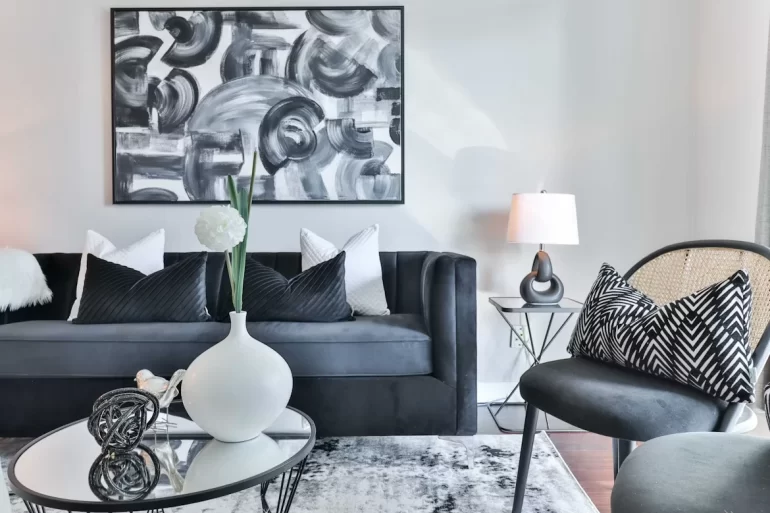
Ever walked into a room and just felt good? It’s not always about the big, expensive sofa or the giant TV. Often, a truly sleek and modern interior comes down to the small things. Making a space feel both current and cozy isn’t about grand gestures, but more about thinking through the details. It’s about putting together a look where everything works together for a clean, consistent, and calm vibe.
If you want to give your space a modern refresh, you’re in the right spot. We’ll break down the key elements that can turn any room from ordinary to amazing.
Start with a Clean Slate
Before you add anything new, getting a modern look often means taking things away. Modern design loves order and minimalism. This doesn’t mean your home has to feel cold or empty, but it does mean being smart about what you show off. Start by clearing off surfaces and getting rid of anything that doesn’t have a purpose or make you happy.
Once things are clear, think about your colors. Modern interiors usually stick to neutral shades like white, beige, gray, and black as a base. These colors create a calm background that makes a room feel bigger and more open. You can always add splashes of color later with art, pillows, or one accent piece of furniture. The idea is to create a blank slate where other design elements can really pop.
Focus on the Finishing Touches
With a minimalist base, the details become super important. This is where you can add personality and a sense of quality to your space. Think about the everyday hardware in your home: light switches, outlet plates, cabinet handles, and door knobs. You use these every day, but they often get ignored.
Swapping out basic plastic fixtures for nice metal ones can make a surprisingly big difference. These luxury interior details can make a whole room feel more upscale, giving you a tactile and visual upgrade that shows off quality and smart design. When these small pieces have a consistent finish, it helps pull the whole space together.
Master the Elements of Modern Style
Modern design follows a few main ideas that give it its signature look. One of the biggest is focusing on clean, straight lines. You’ll see this in furniture with simple shapes, uncluttered architecture, and geometric patterns. Skip anything too fancy or overdone and pick pieces with simple forms. Natural light is also a huge part of it. Keep window coverings minimal to let in as much light as possible, creating an open feeling. Designers say some essential elements of modern home decor also include natural materials like wood and stone, which bring warmth and texture to an otherwise simple space.
Understand the Core Principles of Design
To really elevate your interior, it helps to know a little about design theory. Pros work with what they call the seven elements of design: space, line, form, light, color, texture, and pattern. You don’t need to be an expert, but thinking about these ideas can guide your choices. For example, consider “negative space”, which is the empty area around your furniture.
Leaving some breathing room is key in modern design so things don’t feel cluttered. Also, think about how you can use texture to add interest. A chunky-knit throw, a smooth leather chair, and a rough wooden table can look great together, adding depth and character without clutter.
Create Harmony with Cohesive Materials
A sign of a well-designed modern interior is the consistent use of materials. Pick a small number of materials and use them throughout the space to create a harmonious feel. For instance, if your coffee table has black metal legs, you might repeat that with black picture frames or a black metal floor lamp. If you have light oak flooring, think about using similar wood tones in your furniture or shelves. This repetition creates a visual rhythm that’s pleasing to the eye and makes the whole design feel intentional and unified.
Ultimately, creating a sleek, modern home is about making careful choices. It’s about understanding that every single element, no matter how small, adds to the overall feel of the space. Start by focusing on one room and one detail at a time, and you’ll quickly see the big impact that thoughtful design can have.