



Most shops sell their carbide scrap to whoever’s closest, whoever’s fastest, or whoever they’ve always used without ever really vetting the buyer. It’s understandable-scrap isn’t exactly the most exciting part of running a shop, and most people just want it gone. But that “set it and forget it” approach tends to leave money on the table, and worse, it sometimes means dealing with someone slow to pay or vague about how they’re pricing things in the first place.
If you’ve never actually stopped to think about who you’re selling to, it’s worth a few minutes. Not every buyer operates the same way, and the differences show up in your payout more than people expect.
Ask How They Actually Test the Material
This is the big one. Tungsten carbide isn’t a flat-value commodity-its worth depends heavily on cobalt content, which varies by tooling type. A buyer who just eyeballs a pile and quotes a number off the top of their head isn’t grading anything; they’re guessing. And guesses tend to favor the buyer, not the seller.
Reputable tungsten carbide buyers test composition before naming a price. That might mean sending a sample off for analysis or having equipment on-site to check cobalt percentage directly. Either way, if a buyer can’t explain how they arrive at a number, that’s usually a sign they’re not testing much of anything.
Find Out How Fast They Actually Pay
Plenty of buyers advertise “fast payment” without ever defining what that means. Same day? End of week? Thirty days out? For a shop selling small batches now and then, a slow payment cycle might not matter much. But for anyone moving real volume regularly, cash flow adds up fast, and a buyer who drags their feet on payment turns into a real problem over time.
It’s worth just asking directly – how long from payment delivery, and how does that payment actually show up? A buyer who hesitates or gets vague about the answer is telling you something, even if they don’t mean to.
Check Whether They Handle Logistics or Just Take Deliveries
Some buyers only deal with material that shows up at their door. Others actively coordinate pickups, provide containers, and handle freight for larger accounts. If you’re a smaller seller dropping off a box now and then, this might not matter much. But if you’re generating consistent volume, a buyer without logistics support means you’re footing the transportation cost and hassle yourself every single time.
This becomes even more relevant for anyone dealing with tungsten carbide scrap regularly enough that it’s worth setting up a recurring pickup schedule instead of handling shipments one at a time.
See If They Actually Sort by Material Type
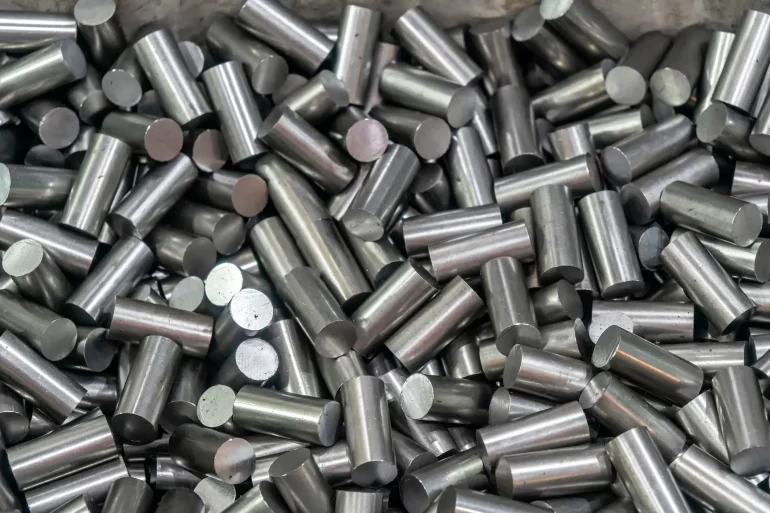
A lot of general scrap buyers treat carbide the same as any other metal – weigh it, pay a flat rate, done. That approach misses the fact that inserts, solid rod stock, sludge, and mixed lots don’t all process the same way, and they shouldn’t all be priced the same either. A buyer who separates and grades by type is almost always going to offer better numbers than one applying a single blanket rate to everything.
Look at How They Work With Different Volumes
Some buyers are built for high-volume commercial accounts and treat smaller sellers as an afterthought if they deal with them at all. Others cater mostly to individual machinists and don’t have the infrastructure to handle a production facility’s monthly output. Neither is necessarily wrong, but it’s worth knowing where a buyer actually fits before assuming they’re the right match for your situation, whether you’re clearing out a drawer once a year or shipping pallets every month.
A Buyer Worth Checking Out
Carbide Kings tests every batch for actual composition, pays quickly once material is graded, and handles logistics for sellers ranging from small individual accounts to high-volume commercial operations, with pricing built around what the material is genuinely worth rather than a flat guess.
FAQs
- How do I know I’m getting a reasonable price for my carbide scrap?
That’s probably the first thing most people want to know. Don’t be afraid to ask the buyer how they came up with the price. If they’re actually testing the material and can walk you through it, you have a much better idea of what you’re being paid for. If they can’t really explain the number, getting another quote might be a smart move.
- I have different types of carbide scrap mixed. Does that matter?
It can. If you’ve got inserts, rods, sludge, and other carbide all sitting in the same container, the buyer may not be able to price each type properly. You don’t have to spend hours making everything perfect, but separating the obviously different materials can make the selling process a lot easier.
- What should I ask before sending my carbide scrap to a buyer?
Ask the questions you’d normally ask before doing business with anyone. How will you test it? How is the price calculated? When will I get paid? Who handles the shipping? Getting those answers upfront is a lot better than trying to figure everything out after your scrap is already gone.
- Is arranging pickup really that important?
It depends on how much scrap you’re dealing with. If you clean out a small bin once or twice a year, probably not. But if carbide scrap is something your shop produces every week, constantly packing it up and figuring out freight gets old pretty quickly. A buyer who can arrange pickups can take one more headache off your plate.
- What should make me stick with one carbide scrap buyer?
For most shops, it comes down to whether the buyer makes things easy. You want someone who gives you a clear price, actually checks the material, pays when they say they will, and doesn’t make you chase them for answers. Once you find someone reliable, there’s a lot to be said for knowing what to expect every time you have a load of scrap to sell.