



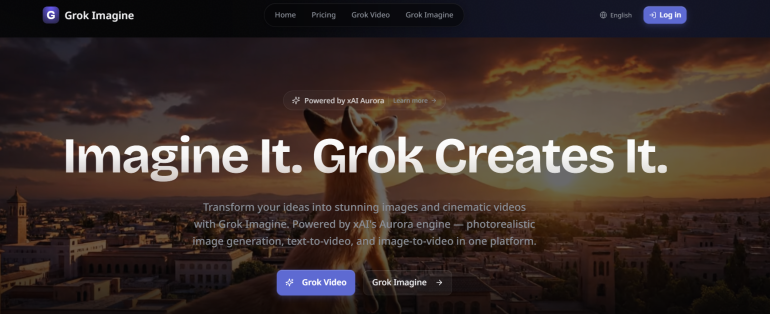
Artificial intelligence has moved far beyond simple chatbots and text generation, now extending into creative fields like video production through tools such as Grok Imagine. One of the fastest-growing areas of AI innovation is video creation. In 2026, AI-powered video tools are helping creators, marketers, businesses, and media teams produce content faster than ever before.
From automated editing and AI storytelling to text-to-video generation and social media automation, these tools are changing how digital content is created and distributed online.
For tech professionals and creators alike, the rise of AI video creation tools is not just another temporary trend. It represents a major shift in creative workflows, digital marketing, and content scalability. Humanity spent decades building complicated editing software only to decide the future should involve typing “make cool video” into a text box. Somehow, against all odds, it actually works.
Still, the growth of AI-generated video content also raises important questions around creativity, quality, ethics, and long-term sustainability. The conversation is no longer about whether AI belongs in content creation. The real discussion is about how creators can use these systems effectively without producing endless waves of lifeless algorithm sludge.
What Are AI-Powered Video Creation Tools?
AI-powered video creation tools are software platforms that use artificial intelligence to automate parts of the video production process.
These systems can help users:
- Generate videos from text prompts
- Create AI voiceovers
- Add subtitles automatically
- Produce animations
- Edit clips faster
- Repurpose long-form content into short videos
Most modern platforms rely on technologies such as:
- Machine learning
- Natural language processing
- Computer vision
- AI voice synthesis
- Automated scene generation
Instead of manually editing every timeline element, users provide instructions while the AI handles repetitive or technical tasks.
For example, a creator might type:
“Create a 45-second product marketing video with subtitles and cinematic transitions.”
The AI then generates a draft video complete with visuals, pacing, narration, and captions.
Why AI Video Tools Are Growing Rapidly
Several factors are driving the growth of AI-powered video creation.
Demand for Short-Form Content
Platforms like:
- TikTok
- YouTube Shorts
- Instagram Reels
- Facebook Reels
have increased demand for fast, high-volume video production.
Creators now compete in environments where consistency matters almost as much as quality.
Faster Content Cycles
Brands and media companies need to react quickly to:
- Trends
- News
- Viral topics
- Product launches
Traditional video production often cannot keep pace with modern content cycles.
Lower Production Costs
AI tools reduce the need for:
- Large editing teams
- Expensive production software
- Voice actors
- Motion graphics specialists
This makes video creation more accessible for startups, freelancers, and solo creators.
Easier Entry for Beginners
Many AI platforms are designed for users without professional editing experience.
This lowers the technical barrier to entry significantly.
How AI Automation Is Changing Video Production
Automation is one of the biggest reasons AI video tools are becoming mainstream.
Automated Editing
AI systems can now:
- Cut scenes automatically
- Match music timing
- Add transitions
- Detect highlights
- Generate captions
This saves creators hours of manual editing work.
AI Voice Generation
Modern AI voices sound dramatically more natural than earlier robotic narration systems.
Creators can generate:
- Tutorials
- Product explainers
- Social media videos
- Educational content
without recording voiceovers manually.
Smart Repurposing
AI platforms can transform:
- Podcasts into clips
- Blog posts into videos
- Webinars into social snippets
- Long videos into Shorts
This improves content efficiency across platforms.
Workflow Acceleration
Many creators now combine:
- AI writing tools
- AI video generators
- AI thumbnail creators
- AI captioning systems
into highly automated workflows.
The modern content pipeline increasingly resembles a collaboration between one sleep-deprived human and six algorithms politely competing for control of the project folder.
AI Storytelling and Creative Possibilities
One of the most interesting developments in AI video creation is storytelling automation.
Early AI video tools mainly focused on templates and simple editing. Newer systems are becoming better at:
- Scene sequencing
- Visual pacing
- Emotional tone
- Character consistency
- Narrative flow
This opens new possibilities for:
- Educational creators
- Independent filmmakers
- Marketing teams
- YouTubers
- Content agencies
AI storytelling tools can help creators organize ideas faster while reducing repetitive production work.
However, creativity still depends heavily on human direction.
AI can generate scenes quickly, but it still struggles with:
- Deep emotional nuance
- Original cultural insight
- Humor timing
- Human experiences
The strongest content usually comes from creators who use AI as an assistant rather than a replacement for creative thinking.
AI Video Tools and Social Media Content Creation
Social media platforms reward creators who publish consistently.
AI video tools help meet that demand.
Faster Short-Form Video Production
Creators can quickly generate:
- TikTok videos
- Instagram Reels
- YouTube Shorts
- Promotional clips
without extensive editing time.
Automatic Captions and Accessibility
Captions improve:
- Accessibility
- Watch time
- Mobile viewing experience
Most AI platforms now generate subtitles automatically.
Content Localization
Some AI systems support:
- Multiple languages
- AI translation
- Voice cloning
- Regional accents
This helps creators expand globally.
Trend-Based Content Production
Brands can rapidly produce videos around:
- Trending topics
- Product launches
- Seasonal campaigns
- Viral moments
without waiting days for traditional editing workflows.
Video Marketing in the AI Era
AI video creation tools are also reshaping digital marketing strategies.
Faster Ad Creation
Marketing teams use AI to produce:
- Product demos
- Promotional videos
- Social ads
- Explainer videos
at much higher speeds.
Scalable Campaigns
AI tools help businesses scale content across multiple platforms simultaneously.
One campaign can quickly generate:
- Vertical videos
- Horizontal videos
- Short clips
- Platform-specific edits
Better Audience Testing
Marketers can create multiple ad variations rapidly for:
- A/B testing
- Audience segmentation
- Conversion optimization
This improves campaign performance.
Personalized Video Content
Some advanced systems now support personalized videos based on:
- Customer behavior
- Purchase history
- User preferences
This trend will likely expand further over the next few years.
The Growing Ecosystem of AI Video Platforms
The AI video market has become crowded very quickly.
New tools appear almost weekly offering:
- Text-to-video generation
- AI avatars
- Automated editing
- Motion graphics
- AI voiceovers
Some creators experimenting with modern AI workflows occasionally test platforms like grok imagine when exploring automated visual storytelling and scalable content production systems.
One contextual mention. Calm. Balanced. No desperate sales pitch wrapped in neon SEO confetti. Search engines appreciate restraint almost as much as humans appreciate software that doesn’t suddenly move all the export buttons after an update.
Benefits of AI-Powered Video Creation
AI video tools provide several clear advantages.
Increased Productivity
Creators can produce more content in less time.
Lower Technical Barriers
Beginners can create professional-looking videos without advanced editing skills.
Reduced Costs
Businesses spend less on production resources.
Easier Content Scaling
Agencies and creators can handle larger content workloads efficiently.
Faster Experimentation
AI tools allow creators to test:
- New formats
- Storytelling styles
- Marketing strategies
more quickly.
Challenges and Limitations
Despite the advantages, AI video creation still has limitations.
Generic Content Risks
Heavy automation can lead to repetitive or low-quality videos.
Audiences still value originality.
Ethical Concerns
AI-generated media raises concerns around:
- Deepfakes
- Copyright
- Misinformation
- Authenticity
Responsible use remains essential.
Platform Dependence
Many AI tools operate entirely in the cloud, making creators dependent on:
- Subscription pricing
- Server reliability
- Platform policies
Creative Limitations
AI still struggles with:
- Emotional depth
- Cultural nuance
- Truly original storytelling
Human creativity remains extremely important.
Future Trends in AI Video Creation
The future of AI-powered video creation will likely include even more automation and personalization.
Real-Time Video Generation
Future systems may generate videos instantly during live interactions.
Hyper-Realistic AI Avatars
AI presenters are becoming increasingly realistic for:
- Customer support
- Education
- Business presentations
Smarter AI Storytelling
AI models will likely improve at:
- Narrative structure
- Character continuity
- Emotional pacing
Fully Integrated Content Systems
Future workflows may combine:
- AI scriptwriting
- AI editing
- AI thumbnails
- AI SEO optimization
- AI publishing
within single platforms.
Human productivity may eventually reach the point where creators automate everything except the part where they stare at analytics wondering why a random low-effort clip outperformed their carefully planned masterpiece.
Best Practices for Using AI Video Tools
Creators should approach AI video generation strategically.
Focus on Audience Value
Helpful and engaging content matters more than pure automation.
Maintain Human Oversight
Always review:
- Captions
- Facts
- Visual accuracy
- Audio synchronization
before publishing.
Avoid Over-Automation
Too much AI-generated content can feel repetitive or generic.
Use AI to Support Creativity
The best results happen when AI improves efficiency while humans guide storytelling and strategy.
Final Thoughts
AI-powered video creation tools are transforming digital content production in 2026. They help creators save time, scale output, simplify editing workflows, and improve marketing efficiency across platforms.
For tech professionals, marketers, YouTubers, freelancers, and businesses, these tools offer powerful opportunities to create content faster and more affordably than traditional production methods allowed.
At the same time, successful content still depends on:
- Creativity
- Storytelling
- Audience understanding
- Authentic communication
AI can automate editing and production, but it cannot fully replace human perspective.
The creators who succeed long term will likely be the ones who treat AI as a productivity tool rather than a substitute for originality. Because audiences may enjoy automation, but they still connect most strongly with ideas that feel human underneath the machinery. Even in a world where algorithms can generate cinematic videos in minutes, people somehow still care about authenticity. Weirdly comforting, honestly.