




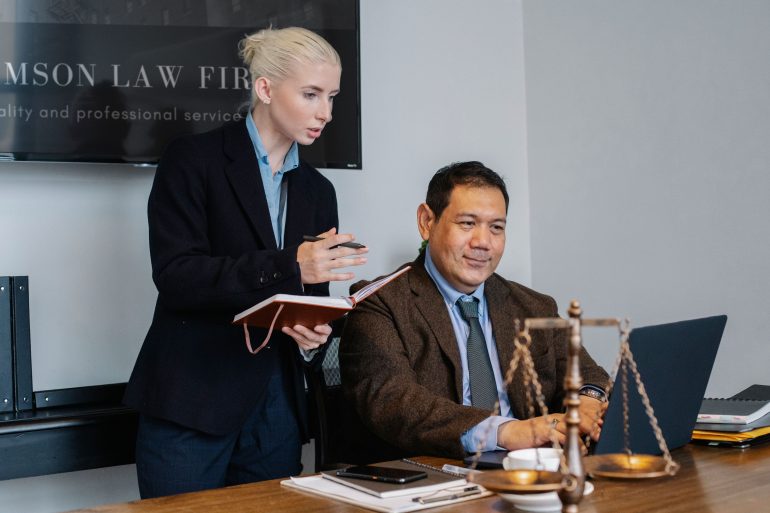
Defense attorneys serve as essential advocates in Marchman Act proceedings, protecting client rights while navigating complex substance abuse treatment laws. Their role extends far beyond simple courtroom representation, encompassing everything from initial assessment to post-treatment planning.
In this blog post, you’ll know about the role of defense attorney in Marchman Act Cases.
Immediate Response and Assessment
When a Marchman Act petition is filed, defense attorneys must act swiftly. With only ten days until the mandatory hearing, they immediately begin evaluating the situation’s legal and personal dimensions.
They examine not just the petitioner’s allegations but also the client’s current circumstances, treatment history, and family dynamics.
Evidence Evaluation
A defense attorney’s primary responsibility involves scrutinizing the evidence supporting the petition. This requires examining both recent incidents and historical patterns while considering:
| Evidence Type | Key Considerations |
| Current Use | Documented proof vs. speculation |
| Risk Level | Actual danger vs. general concern |
| Prior Treatment | Success and failure patterns |
| Support System | Available family and community resources |
Building a Defense Strategy
Defense strategy often involves multiple approaches. Sometimes this means challenging the petition’s legal sufficiency. Other times, it requires proposing alternative treatment solutions that better serve the client’s needs while preserving their autonomy. You can hire a Marchman Act Defense Lawyer Florida, to get most of the legal help from him.
Protecting Constitutional Rights
Throughout proceedings, defense attorneys safeguard their clients’ constitutional protections. They ensure proper procedure, maintain confidentiality, and protect against self-incrimination. This role becomes particularly crucial during court hearings and treatment facility interactions.
Treatment Negotiations
When treatment becomes necessary, defense attorneys advocate for appropriate programs and conditions. They work to ensure any mandated treatment:
- Matches the client’s specific needs
- Remains reasonably accessible to family
- Provides appropriate levels of care
- Includes clear completion criteria
Coordinating with Stakeholders
Effective representation requires working with multiple parties. Defense attorneys often coordinate with:
- Treatment providers to understand program options
- Family members to gather support information
- Medical professionals to document treatment history
- Court personnel to ensure proper procedures
Post-Treatment Planning
Success extends beyond the initial court order. Defense attorneys help establish clear frameworks for treatment completion and transition planning. This includes defining measurable progress indicators and establishing support systems for ongoing recovery News Logic Tech.
Client Education and Support
Throughout the process, defense attorneys educate clients about their rights, responsibilities, and options. They explain court procedures, treatment requirements, and potential consequences of various decisions. This knowledge helps clients make informed choices about their care.
Advocating for Alternatives
When appropriate, defense attorneys present alternative solutions to involuntary commitment. These might include:
- Voluntary outpatient programs
- Intensive counseling arrangements
- Structured living environments
- Family-based intervention programs
Managing Legal Documentation
Defense attorneys handle crucial documentation throughout the process. They ensure proper filing of:
- Response documents to initial petitions
- Treatment progress reports
- Modification requests when needed
- Release paperwork upon completion
Wrapping Up
The role of defense counsel in Marchman Act cases requires balancing legal advocacy with practical solutions. While protecting client rights remains paramount, successful representation often involves finding workable compromises that serve both recovery goals and personal autonomy Tech Plus Time.
Defense attorneys recognize that each case presents unique challenges requiring individualized approaches. Their role extends beyond legal representation to include advocacy for appropriate treatment options and protection of fundamental rights throughout the process. Through careful attention to both legal requirements and human needs, defense attorneys help ensure that Marchman Act proceedings serve their intended purpose: helping individuals access needed treatment while preserving essential rights and dignity.