



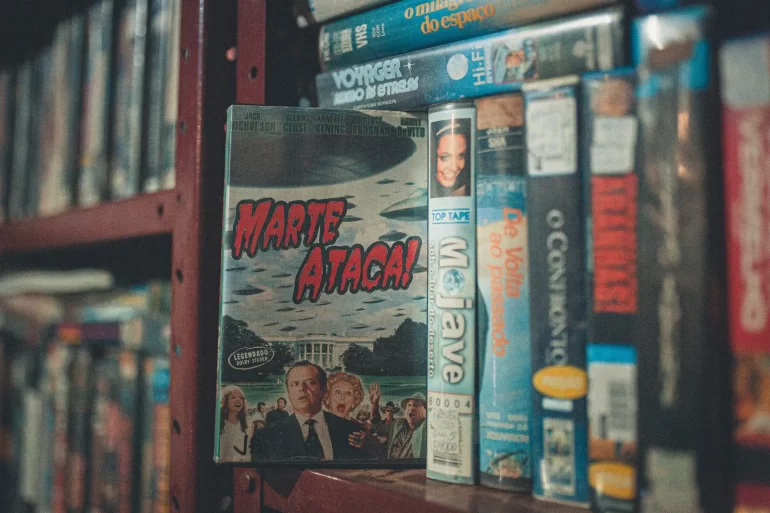
Walk into any serious movie fan’s apartment and your eyes go straight to the shelf before the couch or the TV even register.
Replica props, vinyl figures, a poster or two, and somewhere in the mix, a plush character that has nothing to do with explosions or car chases.
That contrast is not an accident. Action movie fans love intensity on screen, but plenty of them build a collection that balances it out with something lighter.
Why Collectibles Became Part of Fandom
Nobody sets out to become a collector on purpose. It usually starts with one figure from a favorite franchise, then quietly spirals from there.
A birthday gift, a convention impulse buy, or a limited drop tied to a movie premiere is usually all it takes to get someone hooked for good.
From there, the collection grows on its own momentum, often faster than the person building it expects or plans for.
Fans hunting for that first meaningful piece often end up browsing something like ThinkGeek’s collectible lineup, which has spent years catering to exactly this kind of impulse buy that turns into a full shelf.
Once a collection starts, it tends to grow around specific franchises rather than random items, which is why fan shelves end up looking so personal.
That specificity is the whole appeal. A generic collectible means nothing, but one tied to a movie that actually mattered feels earned.
The Unexpected Soft Side of Hardcore Fandom
Action fans get stereotyped as people who only care about explosions, muscle, and body counts.
Spend time in any real fan community and that stereotype falls apart fast. Plenty of the same people who quote gritty franchise dialogue also collect soft, cute characters with genuine enthusiasm.
There is a reason for that balance. High-intensity content wears on people over time, and a shelf full of soft, calming characters offers a break the same way a comedy does after a heavy film.
Plenty of collectors describe it as a kind of visual palate cleanser, something gentle to look at between marathon viewings of tense, high-stakes franchises.
It also says something about the person collecting. A shelf that only shows aggression tells half a story, while one that mixes tone feels more honest about who someone actually is.
That is exactly the space where Tokyo Kuma tends to show up, sitting quietly next to a row of action figures without looking out of place at all.
Convention Culture Changed the Game
Fan conventions used to feel like a niche hobby event, tucked away in a convention center a couple times a year.
Now they function almost like a second economy for fandom, where exclusive drops and limited variants create genuine buzz before a single item hits the floor.
Collectors plan trips, budgets, and even vacation days around a convention exclusive that might only be available for a single weekend.
That kind of urgency has changed how brands approach releases, pushing more of them toward scarcity-driven drops instead of steady year-round stock.
Fans have responded by treating collecting almost like a competitive sport, trading tips on release times and restock windows the way other people trade sports stats.
Digital Fandom Feeds Physical Collecting
It might seem backwards, but the more time fans spend in digital spaces discussing a franchise, the more likely they are to buy something physical tied to it.
Online communities amplify hype in a way that in-person fandom never could, turning a single announcement into weeks of anticipation before a product even launches.
That anticipation translates directly into sales, especially when a well-known figure in a fan community shows off a new piece before general release.
Trust built online carries real weight. A recommendation from a trusted voice in a fandom space often outperforms traditional advertising by a wide margin.
Building a Collection With Actual Meaning
The best fan collections are not random. They trace a person’s history with the genre, one piece at a time.
A figure from a franchise that hooked someone as a kid sits differently on a shelf than a random impulse buy from a clearance bin.
Serious collectors tend to slow down over time, choosing fewer pieces but caring more about each one, rather than filling shelves just to fill them.
That shift from quantity to quality usually happens once a collector realizes the shelf is basically a timeline of their own taste.
Where Merch and Movies Actually Meet
Studios have gotten much better at understanding what fans actually want to own, not just watch.
Limited runs, franchise crossovers, and detailed replica props now launch alongside major releases instead of arriving as an afterthought months later.
That timing matters. A fan riding the excitement of a fresh release is far more likely to invest in something tied directly to that moment.
Smart brands have learned to catch that wave instead of missing it, and the ones that do tend to earn long-term loyalty from fans who remember who showed up at the right time.
The Social Side of Showing Off a Shelf
Streaming, social media, and fan conventions all gave collectors a reason to actually display what they own instead of boxing it away.
A shelf tour post gets genuine engagement now, the same way a movie review or a trailer reaction might.
That visibility pushed collectors to be more thoughtful about what they buy, since every piece is potentially on display for an audience of strangers online.
It also created a feedback loop where fans discover new brands and franchises just by seeing them appear in someone else’s collection.
What Separates a Good Collectible From a Waste of Money
Not every piece of merchandise deserves shelf space, and most collectors learn that lesson the expensive way eventually.
Build quality matters far more than flashy packaging, since a fragile piece rarely survives more than a few months of display.
Connection to the source material matters just as much. A generic figure with no real tie to a beloved franchise tends to get boxed up and forgotten within a year.
The pieces that last are the ones that mean something specific to the person who bought them, not just something that looked good in a store listing.
Key Takeaway
Action movie fandom has always been about more than what happens on screen. It extends into what fans choose to surround themselves with at home.
Collectibles tied to a favorite franchise, balanced out by softer, calming characters, tell a more complete story than either one could on its own.
The shelf behind the couch is not clutter. It is a fan’s history, one carefully chosen piece at a time.