



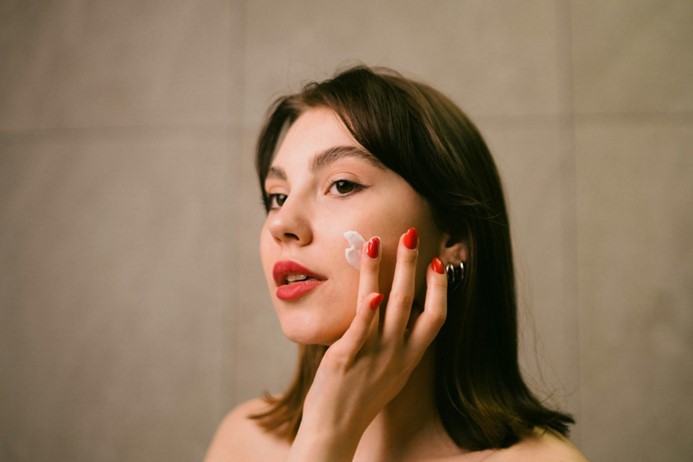
Skincare has never been louder. New ingredients, viral techniques, and overnight transformations dominate social feeds, encouraging people to constantly add, switch, and layer products in search of faster results. While this approach feels proactive, it often leads to irritation, inconsistency, and confusion. In response, a quieter shift is taking place. More people are moving away from trend-chasing and toward structured, repeatable routines that prioritise skin health over novelty. This change is rooted in the understanding that skin responds best to rhythm and recovery, which is why discussions around modern skincare increasingly reference approaches like a skin cycling routine when explaining how structure and rest can work together over time.
This shift isn’t about doing less for the sake of simplicity. It’s about doing the right things, in the right order, consistently enough for skin to adapt and improve.
Why Trend-Chasing Took Hold in the First Place
The appeal of skincare trends is easy to understand. They promise quick fixes, dramatic before-and-after photos, and the feeling of being “in the know.” New launches and techniques also create momentum, making it seem as though progress depends on constant change.
However, skin does not operate on trend cycles. It needs time to respond to active ingredients, rebuild its barrier, and adjust to new inputs. When routines change too frequently, the skin is left in a constant state of reaction rather than repair.
Over time, this pattern can lead to sensitivity, breakouts, and the sense that nothing really works for long.
What Routine-Based Skincare Does Differently
Routine-based skincare shifts the focus from novelty to consistency. Instead of asking what’s new or trending, it asks what the skin actually needs on a regular basis. This approach recognises that most improvements come from cumulative effects rather than immediate reactions.
A structured routine creates predictability. The skin knows when to expect exfoliation, when to receive active ingredients, and when to recover. This predictability reduces inflammation and supports barrier function, which is the foundation of healthy skin at any age.
Consistency, not intensity, becomes the driver of results.
The Importance of Recovery in Skin Health
One of the biggest lessons behind routine-based approaches is the value of recovery. Trend-driven skincare often pushes the idea that more activity equals better results. In reality, skin improves during rest periods when inflammation settles and repair processes take place.
Giving skin time to recover doesn’t mean neglect. It means allowing active treatments to do their work without being immediately overridden by the next product or technique. This balance between stimulation and rest is essential for long-term improvement.
The concept mirrors how the body responds to exercise. Progress comes from the combination of effort and recovery, not from constant strain.
Why Skin Barrier Health Has Taken Centre Stage
As more people experienced irritation from overuse of actives, attention shifted toward the skin barrier. A healthy barrier regulates moisture, protects against environmental stressors, and reduces sensitivity. When it’s compromised, even gentle products can cause discomfort.
Routine-based skincare naturally supports barrier health because it limits unnecessary disruption. Instead of daily exfoliation or constant active layering, structured routines space out potentially irritating steps and prioritise hydration and repair.
Dermatological research frequently highlights barrier function as a key determinant of skin resilience. The American Academy of Dermatology notes that maintaining the skin barrier is essential for preventing irritation and managing conditions such as eczema and sensitivity, reinforcing why moderation and structure matter.
Fewer Products, Better Results
Another outcome of moving away from trend-chasing is a reduced reliance on excessive products. Routine-based skincare often results in simpler regimens with clearer roles for each step.
This clarity improves adherence. When people understand why they are using something and when it fits into their routine, they are more likely to stick with it. Over time, this consistency delivers more noticeable results than constantly switching products in response to trends.
Simplification also reduces the risk of ingredient conflicts and overexposure, both of which are common in trend-driven routines.
The Psychological Benefits of Structure
Skincare is not purely physical. It has a psychological dimension as well. Constantly chasing trends can create anxiety and dissatisfaction, especially when results don’t match expectations. Routine-based skincare introduces calm and control.
Knowing what to do each day removes decision fatigue. It turns skincare into a supportive habit rather than a daily experiment. This mental ease contributes to better long-term adherence and a healthier relationship with appearance and self-care.
Structure replaces pressure with intention.
Why Long-Term Thinking Is Replacing Instant Gratification
The move toward routine-based skincare reflects a broader cultural shift toward sustainability and long-term thinking. People are becoming more cautious about approaches that promise immediate results at the expense of future skin health.
Routine-based methods encourage patience. They accept that improvement happens gradually and that setbacks are part of the process. This perspective aligns better with how skin actually functions across seasons, stress levels, and hormonal changes.
Over time, this mindset leads to more stable results and fewer cycles of disappointment.
How Ageing Skin Especially Benefits From Routine

As skin ages, its ability to recover slows. This makes consistency even more important. Trend-chasing becomes riskier, while structured routines offer stability.
Routine-based skincare supports hydration, barrier repair, and controlled use of actives, all of which are crucial for maintaining comfort and resilience over time. Instead of reacting to every new concern with a new product, routines provide a framework that adapts without overwhelming the skin.
This adaptability is one of the strongest arguments for routine-based approaches at any stage of life.
From Experimentation to Intention
The shift away from trend-chasing doesn’t mean experimentation disappears entirely. It becomes more intentional. New products or techniques are introduced thoughtfully, one at a time, within an existing structure.
This allows the skin’s response to be observed clearly. Instead of guessing which trend caused improvement or irritation, people gain a better understanding of what actually works for them.
Intentional experimentation within a routine leads to smarter, more personalised skincare over time.
A More Sustainable Way Forward
Routine-based skincare represents a more sustainable relationship with skin health. It reduces waste, minimises irritation, and encourages habits that can be maintained for years rather than weeks.
By focusing on structure, recovery, and consistency, this approach respects the skin’s natural processes instead of fighting them. Trends may come and go, but routines endure because they are built around how skin truly functions.
In the end, the shift from trend-chasing to routine-based skincare isn’t about rejecting innovation. It’s about integrating it wisely, within a framework that prioritises long-term skin health over short-term excitement.