



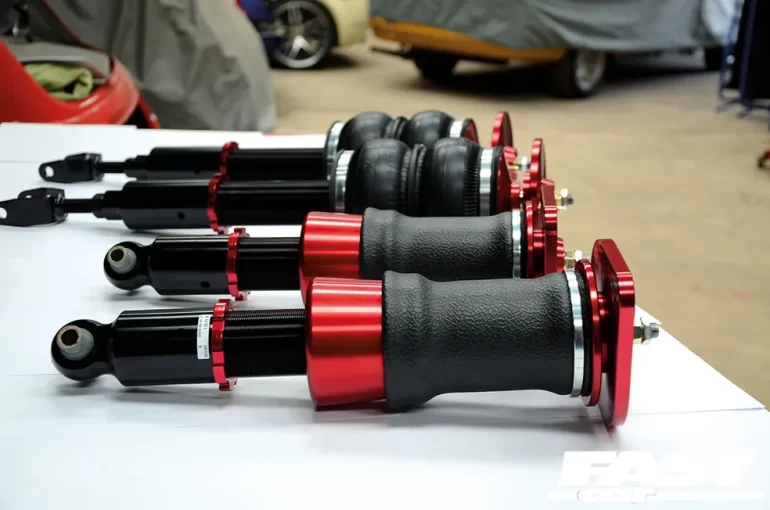
Do you want the perfect stance for your car at a show? Do you also need to clear steep driveways? Maybe you tow a heavy trailer. Are you tired of your truck’s rear end sagging? An air suspension kit could be your answer. It replaces your vehicle’s metal springs with adjustable air bags. This gives you total control over your ride height and quality. We know a big question is the total cost to install airbags. We’ll break that down for you in this 2026 guide. As experts in vehicle dynamics, Retrue helps enthusiasts find the perfect setup for their vehicles. This guide covers everything you need to know.
Key Takeaways
- Adjustable Control: Air suspension provides on-demand ride height adjustment. You get better looks, clearance, and load leveling.
- Cost Varies: The total cost to install airbags ranges from $2,000 to over $7,000. It depends on the kit, your vehicle, and labor.
- Major Benefits: Key advantages include better ride comfort. You also get enhanced towing and hauling stability. Handling improves too.
- Installation Matters: A DIY install can save money. However, a professional installation is recommended. This ensures reliability and safety.
- Maintenance is Simple: Basic upkeep is crucial. Things like draining the air tank help your air suspension kit last longer.
What is an Air Suspension Kit?
An air suspension kit is a type of vehicle suspension. It uses air springs instead of traditional steel springs. These air springs are tough, flexible bags. They’re made of rubber and polyurethane. An on-board electric compressor powers the system. It allows you to inflate or deflate the air springs. You can change your vehicle’s height and stiffness at the push of a button. It is a complete system. Several key parts work together.
The Core Components of a System
A complete air suspension kit has several main parts. Understanding them helps you know how the system works.
- Air Springs (or Air Bags): These replace your factory coil springs. They can also go alongside your leaf springs. They are the components that lift and lower the vehicle. They do this as they fill with or release air.
- Compressor(s): This is the heart of the system. The compressor is an electric pump. It creates the pressurized air needed to fill the air springs and the tank. Some systems use two compressors for faster filling.
- Air Tank (Reservoir): This tank holds a reserve of compressed air. This allows for quick adjustments. You don’t have to wait for the compressor to run every single time.
- Valves & Manifold: This is the brain of the system. The manifold is a block of electric valves. It directs airflow from the tank to the correct air spring. This allows for precise control.
- Controller: This is how you interact with the system. Controllers range from simple manual switches to advanced digital units. Some have height presets. Some even have smartphone apps for control.
- Air Lines & Fittings: These are the tubes that carry air between all the components. Using high-quality lines and fittings is critical. This ensures a leak-free system.
Top 5 Benefits of Upgrading
Why should you consider an air suspension kit? The benefits go far beyond just looking cool. Here are the top five advantages for 2026.
Adjustable Ride Height on Demand
This is the most famous benefit. You can lower your car for a sleek, aggressive look at a car meet. Then, with a button press, you can raise it to normal height to drive home. You can clear speed bumps and potholes with ease.
Improved Ride Quality & Comfort
Air suspension can offer a much smoother ride than stock springs. The air springs are better at absorbing bumps. They handle imperfections in the road well. This leads to a more comfortable and luxurious feel inside the cabin.
Enhanced Towing and Hauling
This is a game-changer for truck and SUV owners. Imagine towing a heavy trailer. With a standard suspension, the rear of your truck sags. This aims your headlights at the sky. It compromises steering. With air suspension, you simply add air to the rear springs to level the load. This restores balance, safety, and driver control.
Better Handling and Performance
For performance driving, air suspension allows you to adjust the spring rate. You can make the suspension stiffer for better cornering on a track day. You can make it softer for a comfortable highway cruise. This adaptability makes your vehicle more versatile.
Reduced Wear on Tires
When your vehicle is properly level, your tires wear more evenly. By preventing suspension sag under load, an air suspension kit helps maintain correct alignment geometry. This can extend the life of your tires and other suspension parts.
Demystifying the Cost to Install Airbags
One of the biggest questions we hear is this: “What is the true cost to install airbags for my suspension?” The answer isn’t a single number. Several factors influence the final price. A basic helper spring kit for a truck might be affordable. A full performance air suspension kit for a sports car represents a larger investment. We will break down the costs for you.
Factors in Your Total Air Suspension Cost
The total expense can be divided into parts and labor. The table below shows how different choices affect your budget.
| Cost Factor | Typical Price Range / Impact | Explanation |
| The Kit Itself | $1,000 – $5,000+ | Entry-level kits are basic. Premium kits from top brands include advanced digital management, dual compressors, and higher-quality components. |
| Vehicle Make/Model | Varies | Kits for common trucks (like an F-150) may be more affordable. Kits for luxury cars (like a BMW) or classic vehicles needing custom work will cost more. |
| Management System | $300 – $2,000+ | A simple manual paddle valve setup is cheap. A sophisticated digital controller with presets and a phone app is a significant part of the cost. |
| Professional Installation Labor | $800 – $2,500+ | Labor rates vary by shop and region. A complex install with a custom trunk setup can take 15-25 hours. A simple bolt-on helper spring kit might only take 3-5 hours. |
| DIY vs. Professional Install | High Impact | Doing it yourself saves thousands on labor. However, it requires significant time, tools, and skill. Mistakes can be costly and dangerous. |
Professional Installation vs. DIY
Deciding whether to pay a pro or do it yourself is a major part of figuring out the cost to install airbags.
Professional Install
- Pros: You get the benefit of experience and expertise. The work is often warrantied. It saves you a huge amount of time and stress. A pro knows how to avoid common mistakes.
- Cons: The main drawback is the higher upfront cost due to labor charges.
DIY (Do-It-Yourself) Install
- Pros: The biggest advantage is saving a lot of money on labor. Many also find it a very rewarding project to complete.
- Cons: This is not a job for beginners. It requires specialized tools, a lot of time, and a high level of mechanical skill. Common DIY mistakes include using the wrong fittings. This leads to air leaks. Others wire the compressor incorrectly. Some place components where they can be damaged by heat or rubbing. Fixing these mistakes can cost more than the initial labor would have.
How to Choose the Perfect Kit
With so many options available in 2026, choosing the right air suspension kit can feel overwhelming. The key is to match the kit’s features to your specific goals for your vehicle. Following a clear process will help you make the best choice. It will help you avoid buying something that doesn’t fit your needs.
Your 4-Step Decision-Making Checklist
Use this simple checklist to narrow down your options. It will help you find the perfect system.
Define Your Primary Use Case
What is the main reason you want air suspension?
- Daily Driver: Your focus should be on ride quality and long-term reliability.
- Show Car Builder: You’ll want a system that provides the lowest possible drop. It should have an advanced management system for showing off.
- Towing/Hauling Workhorse: Look for a durable, heavy-duty kit focused on load-leveling capacity. An in-cab controller is very useful here.
- Performance Enthusiast: Seek out kits with performance-tuned shocks. Look for components tested for track use.
Select Your Management System
Based on your use case, choose how you want to control your system. Manual paddle valves are simple and reliable but slow. Basic digital controllers offer button control. Advanced digital systems provide height presets, phone app control, and automatic leveling.
Research Brands and Components
Not all kits are made equal. Look for brands with a strong reputation for quality and customer support. Pay attention to the details. Check whether the kit includes stainless steel leader hoses or high-quality fittings. Reading reviews from other owners of your vehicle can be very helpful.
Explore Your Options
Once you know what you are looking for, it is time to see what is available. A comprehensive air suspension kit will usually include all the core components you need to get started. To see what the market offers, you can also look at examples of complete all-in-one air suspension packages to understand different configurations and price points.
Basic Maintenance for Your System
A modern, well-installed air suspension kit is very reliable. However, like any part of your car, it benefits from some simple, regular maintenance. These easy steps will help ensure your system lasts for many years. It can last tens of thousands of miles.
Simple Tips to Ensure Longevity
- Regularly Drain Your Air Tank: Moisture from the air can build up as water in your tank. This moisture is the # 1 cause of valve failure in air suspension systems. Draining your tank every month or so removes this water. This is especially important in humid climates. It protects your components.
- Check for Leaks: About once a month, air up your system. Listen for any hissing sounds. You can also spray fittings with soapy water. If bubbles form, you have a small leak that needs to be fixed.
- Inspect Air Lines: Make sure your air lines are not rubbing against any sharp edges or moving parts. A rubbed-through line is a common and easily preventable failure.
- Listen for Your Compressor: Pay attention to how often your compressor runs. If it starts running more frequently than it used to, it’s a strong sign. You have an air leak somewhere in the system.
- Keep It Clean: Periodically rinse off the air springs themselves. Keeping them free of sand, dirt, and road grime helps prevent abrasion. This extends their life.
FAQ: Your Air Suspension Questions
Here are answers to some of the most common questions we get about installing an air suspension kit.
- Is air suspension reliable for a daily driver?
Yes. Modern air suspension systems from reputable brands are very reliable for daily driving in 2026. Reliability almost always comes down to two things: the quality of the components and the quality of the installation. A professional, leak-free installation is the most important factor for a dependable system.
- How long does an air suspension kit last?
A high-quality air suspension kit can easily last for many years. The air springs are the main wear item. They are typically rated for 80,000 to 100,000 miles or more. They can be replaced individually. This is much like you would replace a traditional shock or strut.
- Does air suspension ruin your car?
No, a properly engineered and correctly installed air suspension kit will not ruin your car. In fact, by providing better support and absorbing road shocks, it can reduce stress on the vehicle’s frame. Problems almost always come from low-quality kits or a poor installation job.
- Can you install an air suspension kit yourself?
It is possible for someone with advanced mechanical skills. You need a full set of tools and a lot of patience. However, because the system involves complex electrical and air-pressure components, we recommend professional installation for most people. This ensures the system is safe, reliable, and performs as it should.
- What is the average cost to install airbags for suspension?
The total cost to install airbags varies widely. You can generally expect to pay between $2,000 and $7,000+ for a complete system. This includes all parts and professional labor. The final price depends heavily on your vehicle. It also depends on the features of the kit you choose and the labor rates in your area.