Weekends arrive with some promise, but then drift into the same routines, the same places, and the same kind of low-energy meetups that feel fine in the moment and forgettable by Sunday night.
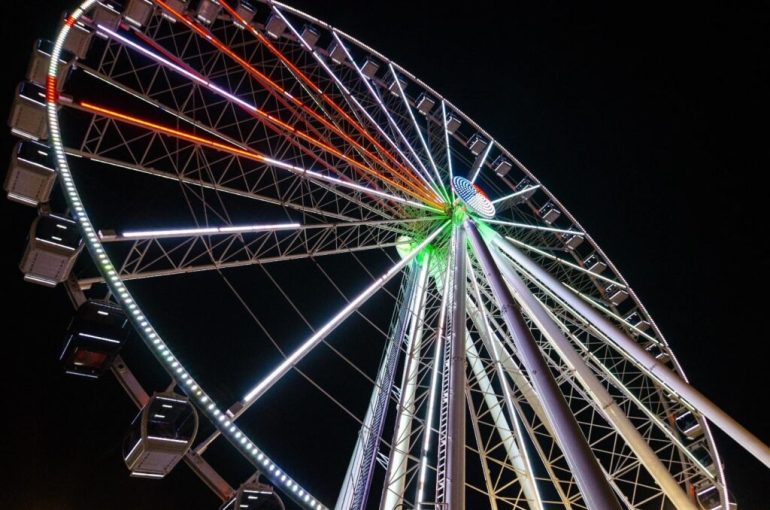
But in places like Pigeon Forge, that pattern feels a little out of place. The area has built its reputation on drawing people in with bright attractions, dense entertainment strips, and a pace that rarely sits still for long. Visitors move between music venues, themed experiences, and high-energy attractions that seem designed to keep people engaged without much effort. It sets a certain expectation, even for a short trip, that weekends do not have to feel repetitive.
Why Weekends Lose Energy Faster Than Expected
There is usually no single reason. Plans tend to fall into what feels easy. A familiar restaurant, a movie, maybe a quick outing that ends earlier than planned. The effort to organize something different often feels heavier than it should, especially after a full workweek. So, choices get smaller.
Social energy works in a similar way. If the setting does not encourage movement or interaction, people settle into passive roles. Sitting, watching, scrolling, repeating. It is not that these things are bad, but they rarely build momentum. Once the tone is set, it tends to stay that way.
Spaces That Shift the Pace Without Forcing It
Some environments change behavior without needing much explanation. When the space is built around movement, sound, and shared activity, people tend to adjust naturally. Conversations become less formal, groups split and regroup, and the focus moves away from just sitting together.
Places like an
indoor slide park, designed with speed, color, and open movement, tend to remove that early hesitation. When you visit such spots, you try things without overthinking, and that shift alone changes how the rest of the time unfolds. It does not rely on a strict plan. The environment does part of the work. One such attraction that is coming to Pigeon Forge soon is Slick City Action Park. The park will feature a mix of high-energy indoor activities, including more than 20 slides, air courts for games like basketball and dodgeball, arcade zones, and kid-friendly play areas. It is designed for all ages, with group spaces, snacks, and year-round, weather-proof entertainment. It’s the spaces like these that keep things moving, and that usually carry the energy forward.
The Problem with Overplanning
Trying to engineer the perfect weekend often leads to the opposite result. Schedules get packed, transitions feel rushed, and small delays start to matter more than they should. People begin watching the time instead of enjoying it.
There is also a tendency to overestimate how much structure a social setting needs. In reality, too much planning can flatten the experience. It leaves less room for things to develop naturally, which is usually where the more memorable moments come from. A looser plan, even if it feels incomplete at first, tends to leave space for adjustment. That flexibility often works better than a tightly controlled schedule, even if it looks less organized on paper.
Letting the Environment Carry Some of the Work
Not every weekend needs to be built from scratch. Some of the best social experiences come from choosing the right setting rather than planning every detail inside it. When a space is designed to
keep people engaged, it reduces the pressure on the group to create that energy themselves. Movement becomes part of the experience. People interact because the environment allows it, not because it was scheduled.
There is a difference between being entertained and being involved. Environments that blur that line tend to hold attention longer. Even people who start off hesitant usually adjust after a short while.
Why Familiar Plans Feel Less Satisfying Over Time
Repetition plays a role, but it is not only about doing the same thing again. It is more about how little changes within those experiences. The setting, the pace, and the interaction all remain predictable. Over time, that predictability lowers expectations. Plans become something to fill time rather than something to look forward to. The difference is subtle, but it shows in how people talk about their weekends afterward.
Changing that does not always require something completely new. Sometimes it is enough to shift one part of the experience, the environment, the pace, or the level of activity.
Group Energy Is Not Even, and That Is Normal
In
any group, energy levels vary. Some people arrive ready to engage, others take longer to warm up. The setting can either highlight those differences or smooth them out. More active environments tend to level things a bit. People join in at their own pace, without needing to match everyone else immediately. There is less pressure to participate in a single way, which helps the group stay connected even when individuals move differently. This kind of flexibility is often overlooked, but it plays a large role in how comfortable a group feels over time.
Small Shifts That Change the Whole Experience
Sometimes the change is not dramatic. Choosing a place that encourages movement instead of sitting can be enough. Letting plans stay slightly open instead of fully scheduled can change how people interact. Even timing matters. Starting earlier in the day, when energy is higher, often leads to a different kind of experience than trying to force activity late in the evening. These adjustments are small on their own, but together they shift the overall tone.
There is usually no clear moment where things change. It happens gradually. Plans feel less forced, conversations stretch longer, and people stay engaged without checking the time as often. The difference is not always easy to explain afterward. It shows more in how the experience felt while it was happening. Less waiting, more movement, fewer pauses where energy drops. Weekends do not need to be completely reworked to feel different. A few changes in how time is spent, where it is spent, and how much structure is applied can shift the experience in ways that tend to carry forward.