



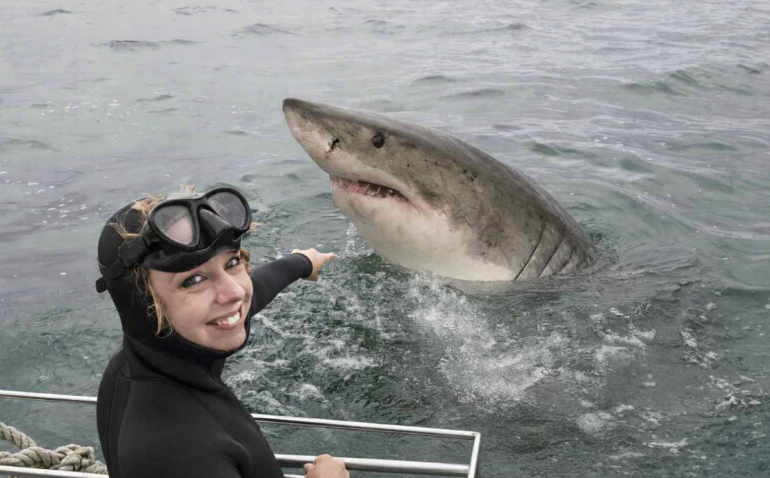
The waters of the Cape coastline hold a certain mystique. For decades, popular culture has painted the creatures lurking beneath the surface as mindless monsters, driven only by an insatiable appetite. This cinematic portrayal has left generations with a deep-seated fear of the ocean’s apex predators. Yet, a growing number of people are choosing to confront this fear head-on.
They travel to the southern tip of Africa, boarding small vessels at dawn, to seek out the very creatures that haunt our collective nightmares. They go shark cage diving in Cape Town, seeking an adrenaline rush but often walking away with something entirely different.
Instead of terror, many divers experience a profound paradigm shift. The experience strips away the Hollywood dramatization and reveals a complex, vital ecosystem. By observing these magnificent animals in their natural habitat, participants often transform from fearful spectators into passionate advocates for marine conservation.
This article explores the psychological journey and environmental impact of encountering marine predators up close. You will learn how the reality of the ocean differs from the myths, and why this specific ecotourism activity is reshaping our relationship with the natural world.
Confronting the Hollywood Myth
Most people step onto a diving boat with a head full of dramatic music and terrifying cinematic scenes. The expectation is one of chaos and aggression. We have been conditioned to anticipate a thrashing beast, teeth bared, attacking the steel bars with relentless fury.
Shark cage diving Cape Town often challenges this perception, revealing a far more measured reality beneath the surface. The reality of the ocean is entirely different. Sharks are apex predators, yes, but they are also incredibly cautious and calculated. They do not waste energy on unnecessary aggression. When a great white or a bronze whale approaches a boat, it is usually driven by curiosity rather than malice. They investigate their surroundings with a slow, deliberate grace that completely contradicts their bloodthirsty reputation.
Observing this calculated movement firsthand dismantles decades of media conditioning. You realize quickly that you are not on the menu. You are simply a visitor in a highly structured, ancient environment.
The Sensory Reality of the Water
The physical experience of shark cage diving in Cape Town is intense, long before a fin ever breaks the surface. The waters off the Western Cape are influenced by a mix of Atlantic conditions and warmer Agulhas currents, with average temperatures typically around 17–18°C. A well-fitted neoprene wetsuit ensures comfort and ease once you enter the cage, allowing you to focus fully on the experience.
The Waiting Game
The ocean dictates the schedule. There are no guaranteed sightings on a strict timeline. You bob in the water, holding onto the steel bars, staring into the green-blue depths. It is a moment of anticipation and heightened awareness, grounded by the steady rocking of the boat and the vastness of the open sea.
The Moment of Contact
When the animal finally arrives, it usually happens without a sound. One moment, there is only empty water. Next, a massive silhouette glides into view.
The sheer size of a mature shark is difficult to comprehend until it is an arm’s length away. A great white can grow up to 20 feet long and weigh several tons. Yet, it moves with absolute silence and fluid ease. The shark might bump the cage gently to investigate the strange metallic object, or it might simply swim past, its dark, obsidian eye tracking the divers inside.
This silent, majestic flyby is the turning point for most divers. The panic fades, replaced by a deep, resonant awe. The monster of the silver screen vanishes, leaving behind a perfectly evolved predator commanding absolute respect.
The Conservation Ripple Effect
The benefits of this activity extend far beyond a personal adrenaline rush. Shark cage diving in Cape Town plays a crucial role in modern marine conservation efforts. As populations of great white sharks and other large marine predators face severe threats from overfishing, bycatch, and habitat loss, ecotourism provides a lifeline.
Funding Vital Research
Many of the operators running these excursions are deeply tied to marine biology and research organizations. The fees paid by tourists directly fund ongoing studies of shark behavior, migration patterns, and population health. Daily trips to known habitats allow scientists to collect consistent observational data without the need for expensive, dedicated research vessels.
Furthermore, a live shark becomes significantly more valuable to the local economy than a dead one. When local communities rely on the income generated by ecotourism, there is a strong, collective incentive to protect the marine environment and enforce anti-poaching laws.
Creating Global Ambassadors
Perhaps the most significant impact is the creation of new advocates. When you look a massive predator in the eye and recognize its calm intelligence, it becomes impossible to ignore the threats facing its survival. Divers return home with photographs, stories, and a newfound passion for ocean conservation. They challenge the misconceptions held by their friends and family. They support legislation banning shark finning and choose sustainable seafood options.
This ripple effect turns a single morning in the cold Atlantic into a lifetime of environmental stewardship.
Changing the Narrative, One Dive at a Time
Shark Cage Diving Gansbaai transforms your perception of the ocean from the very first moment, turning uncertainty into understanding through a controlled, expert-guided experience. The journey out to the deep water off the South African coast becomes an invitation to unlearn everything you thought you knew, replacing deep-rooted fears with scientific reality, respect for marine life, and a powerful sense of connection to one of nature’s most misunderstood predators.
If you are planning a trip to the Western Cape, consider seeking out a responsible, research-aligned operator. Check their conservation credentials and ask about their data collection practices. By participating in ethical shark cage diving in Cape Town, you are doing more than ticking a box on an adventure itinerary. You are helping to rewrite a damaging narrative and actively contributing to the survival of one of the planet’s most misunderstood creatures.