



Some films refuse to fade. Decades after their release, they still appear on syllabi, top-ten lists, and streaming queues, not out of nostalgia, but because they continue to reward attention in ways that newer films rarely match.
What separates a timeless film from one that simply ages well is a combination of craft, universal themes, and formal innovation that later filmmakers keep returning to as a reference point. Citizen Kane redefined how a story could be structured in time. Casablanca showed how personal sacrifice could carry geopolitical weight without ever feeling like a history lesson. The Godfather turned genre filmmaking into something approaching classical tragedy. Each of these works introduced storytelling techniques and cinematography choices that became templates rather than relics.
That staying power is also why debates around classic cinema never quite settle. Audiences and critics continue to argue about which of these films deserves the title of best movie of all time, precisely because the standard of greatness these works established keeps shifting the conversation. The films explored below are the ones that started, and continually restart, that argument.
Why These Films Still Matter Today
These works remain central to film history not because they are old, but because they are still useful. They define what lasting craft looks like in practical terms: repeat viewing value, continued relevance across generations, and a formal precision that newer productions still measure themselves against. The three titles named above are a natural starting point, and the sections that follow explain exactly why.
The Films That Changed What Cinema Could Do
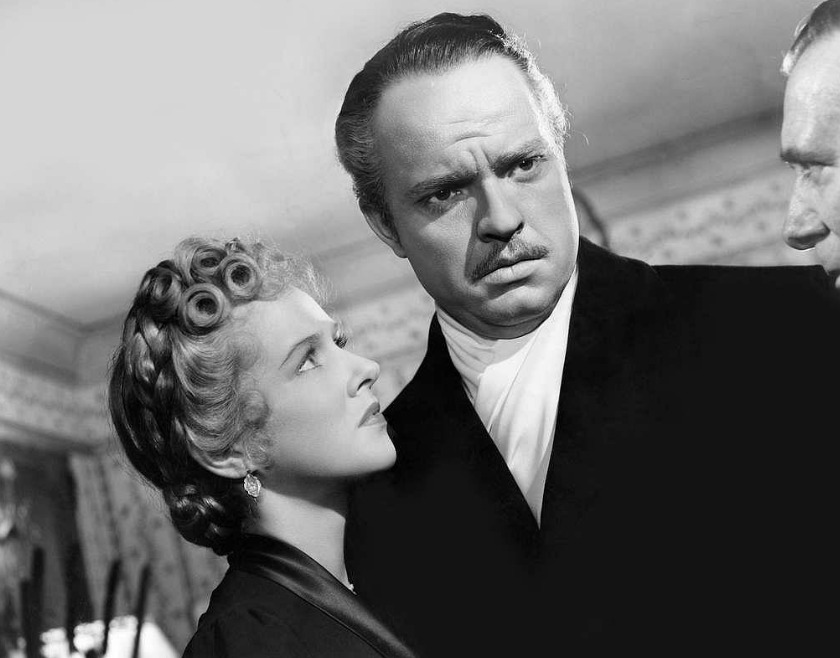
Selecting Citizen Kane, Casablanca, and The Godfather as anchoring examples is not arbitrary. Each one represents a distinct dimension of cinematic achievement, technical innovation, emotional precision, and character depth, and together they illustrate why certain films become reference points rather than period pieces.
Citizen Kane and the Language of the Camera
When Orson Welles released Citizen Kane in 1941, he was 25 years old and had never directed a feature film. What followed was a work that cinematographers and directors still study today, not for its story, but for how that story was told.
Welles and cinematographer Gregg Toland used deep focus cinematography to keep both foreground and background in sharp detail simultaneously, a technique that gave individual frames a layered, almost theatrical quality. Combined with unconventional camera angles and a non-linear structure that moved freely through time, the film broke from the straightforward visual grammar that most Hollywood productions followed.
The result was a film that proved the camera could be a storytelling instrument in its own right, not just a recording device.
Casablanca and the Power of Emotional Precision
Casablanca works through restraint rather than spectacle. Its iconic performances, particularly Humphrey Bogart’s Rick and Ingrid Bergman’s Ilsa, derive their power from what characters choose not to say as much as what they do.
The dialogue moves between wit and grief with unusual ease, and the film’s emotional resonance comes from specific choices: a close-up held a beat too long, a line of dialogue that doubles as farewell. Nothing is overstated. That precision is why scenes from this film remain recognizable to audiences who have never seen it in full.
The Godfather and Modern Character Depth
Francis Ford Coppola’s The Godfather expanded what crime drama could carry thematically. Rather than treating its subject as purely genre material, the film used atmosphere, slow pacing, and layered character development to portray power as something inherited, corrupting, and deeply tied to family loyalty.
Its enduring cinematic legacy comes partly from how it refused easy moral framing. Characters are neither heroes nor villains in the traditional sense, a quality that later filmmakers absorbed into prestige television and literary crime cinema alike.
Why Audiences Keep Returning to Classic Cinema
The craft discussed in the previous section explains why filmmakers admire these works. However, it does not fully explain why general audiences keep coming back to them. That answer lies somewhere between theme and feeling.
Universal Themes Outlast Changing Eras
The most straightforward explanation for classic cinema’s endurance is that its core subjects never stop being relevant. Love, betrayal, identity, sacrifice, and redemption are not period-specific concerns; they are the architecture of human experience regardless of era.
The Shawshank Redemption, for instance, was not a major theatrical success on release, yet it built one of the most loyal audiences in film history because its themes of hope and dignity under oppression translate cleanly across generations and cultures.
Gone with the Wind presents a more complicated case, but its continued viewership reflects a similar dynamic: audiences engage with its emotional stakes around loss and survival even when they resist its historical framing. Timeless themes do not require audiences to agree with a film’s worldview, only to recognize what is human within it.
Nostalgia Matters, but It Is Not the Whole Story
Nostalgia plays a role, but reducing classic cinema’s appeal to sentiment misses the more durable explanation. The greatest films ever made tend to offer emotional clarity that many modern productions deliberately complicate or fragment.
A performance by Bogart or Bergman reads without subtitles or cultural footnotes because the emotional mechanics are precise and visible. The golden age of Hollywood produced films that were, above all, legible, built to communicate across differences. That quality is not nostalgia. It is a craft applied to universal themes with enough discipline to outlast the moment it was made for.
How Classic Innovations Still Shape Modern Films
The influence of classic cinema does not live only in retrospectives or film school lectures. It shows up in the structural choices, visual grammar, and moral ambiguity that contemporary directors return to repeatedly when building work meant to last.
Martin Scorsese has spoken extensively about how films like Citizen Kane and The Godfather shaped his understanding of what a camera can communicate beyond dialogue. The non-linear storytelling techniques Welles introduced, the layered character psychology Coppola refined, and the emotional precision that defined Casablanca all feed into what audiences now recognize as prestige filmmaking.
Cinematography is one of the clearest throughlines. Deep focus, deliberate pacing, and restrained performances pioneered in earlier decades appear consistently in contemporary films that critics and audiences take seriously.
The moral complexity that The Godfather brought to genre filmmaking became the foundation for an entire generation of crime narratives in both film and prestige television. Characters without clean moral resolution, stories that reward patience over spectacle, and narratives structured around psychological truth rather than plot mechanics are now expected qualities in ambitious cinema. What classic cinema established, in other words, was a set of standards that contemporary filmmakers still measure themselves against.
Classic Cinema Beyond Hollywood
Hollywood shaped much of the twentieth century’s film language, but classic cinema was never a purely American project. Directors working across Europe and Asia were developing their own innovations at roughly the same moment, and some of those contributions proved just as foundational.
Rashomon Changed How Stories Handle Truth
Akira Kurosawa’s Rashomon, released in 1950, introduced a structural approach that had no real precedent in mainstream cinema: the same event recounted by multiple witnesses, each version contradicting the last. The film did not resolve the contradiction. It treated subjectivity itself as the subject.
That choice had lasting consequences for storytelling techniques across generations and borders. The idea that a narrative could be built around competing perspectives, rather than a single authoritative account, opened possibilities that filmmakers from entirely different traditions absorbed and extended.
The term “Rashomon effect” has since entered fields well beyond cinema, including journalism, psychology, and law, to describe the unreliability of eyewitness accounts. That kind of cultural reach is rare for any film, and it reflects how precisely Kurosawa identified something genuinely unresolved in human experience. His work demonstrated that classic cinema’s most durable innovations did not belong to any single industry or country.
Why Preserving These Films Also Preserves Culture
Film preservation is not simply archival work. It is an act of keeping shared cultural memory accessible to audiences and filmmakers who were not alive when these works were first made.
Classic cinema holds aesthetic and historical significance that extends beyond entertainment. Works like Citizen Kane, Rashomon, and The Godfather documented not only the craft of their moment but the anxieties, values, and ambitions of the societies that produced them. That is why canonical films are revisited, restored, and protected rather than retired.
The film preservation registry maintained by the Library of Congress exists precisely because cultural heritage requires active stewardship, not passive storage. These films remain part of the registry because they continue to teach audiences and filmmakers how cinema works at its most deliberate and enduring.