



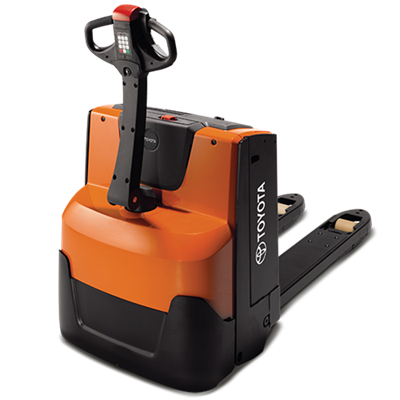
The decision to move from manual to electric pasllet jacks is usually straightforward. The operational case based on throughput, operator fatigue, and total cost of ownership is well-established for operations of sufficient volume and travel distance. What is less straightforward is the transition itself. Operations that approach it as a simple machine replacement rather than an operational change programme often encounter friction that slows the return on investment.
A structured transition addresses the three areas that determine whether the shift delivers on its promise: infrastructure, operator readiness, and the mixed-fleet period.
Infrastructure before equipment
The most common transition mistake is ordering electric pallet jacks before the charging infrastructure is ready to receive them. Units that arrive at a site without the right charging setup either sit unused or are run down to flat battery within the first shift, which reinforces operator scepticism and sets a poor precedent.
Infrastructure requirements to confirm before equipment arrives:
- Power supply capacity. A licensed electrician should confirm that the site’s electrical supply can support the number of chargers required. Running multiple chargers simultaneously from an insufficient supply trips circuit protection and creates unreliable charging.
- Charger location and access. Chargers should be positioned where units can be plugged in during natural operational breaks, not in a corner of the facility that requires a dedicated trip. The less friction in the charging habit, the more reliably it happens.
- Battery type decision. Lead-acid batteries require full discharge-recharge cycles and have specific ventilation requirements. Lithium-ion electric pallet jacks tolerate opportunity charging and need no dedicated ventilation, but carry a higher upfront cost. The choice affects both the infrastructure requirement and the ongoing operational routine.
Operator training and the learning curve
Operators who have spent years on manual units have established habits, including load assessment instincts calibrated to the physical resistance of a manual machine. On an electric pallet jack, the machine does the propulsion work, which changes the physical experience of the operation.
Training should cover more than button functions. It should address:
- Speed awareness. Electric units travel faster than most operators expect relative to manual experience. Speed management in congested areas, near pedestrian zones, and when approaching loading docks needs deliberate attention in the first weeks of operation.
- Load sensing. The powered traction of electric pallet jacks can mask handling feedback that a manual operator would feel physically. Training operators to use visual load assessment rather than resistance feedback maintains safe load management standards.
- Charging discipline. The operational discipline of plugging the unit in at the end of each shift, or during breaks, needs to be established as a habit from day one. Operations that allow charging discipline to slip discover the problem when units are unavailable at shift start.
Managing the mixed-fleet period
Most operations transition gradually rather than replacing every manual unit simultaneously. The mixed-fleet period introduces management considerations that do not exist in a homogeneous fleet.
Clear demarcation of which units go where, how they are charged, and which operators are trained on each type prevents the common outcome where electric units are underutilised because trained operators are not assigned to them, while untrained operators continue reaching for the familiar manual units.
Assigning trained operators to electric pallet jacks as the default, rather than treating them as interchangeable with manual units, drives the utilisation and delivers the productivity return the transition was intended to produce.
Measuring the transition outcome
The transition is complete when electric units are the operational default and manual units, if retained, are used only in the applications where they remain the right tool. The outcomes worth tracking are throughput per operator hour, operator-reported fatigue levels, maintenance call frequency, and actual charging compliance.
If throughput is not improving, the problem is usually operator training or charging discipline, not equipment performance. If equipment reliability is lower than expected, it is usually a maintenance or battery management issue rather than a product fault.
Toyota Material Handling Australia provides transition support for operations moving from manual to electric pallet jacks, including operator training and infrastructure planning advice. Speak to the team before the equipment arrives to structure the transition for the best outcome.