



Introduction
Truck parking is a critical part of the transportation and logistics industry, yet it is often one of the most overlooked challenges faced by drivers and fleet operators. Whether transporting goods locally or across long distances, truck drivers must regularly find safe and legal places to rest, park, or temporarily stop their vehicles. Because commercial trucks require significantly more space than standard vehicles, truck parking involves unique rules, infrastructure requirements, and safety considerations that directly affect road efficiency and driver well-being.
In many regions, the shortage of designated truck parking spaces has become a serious issue, especially near highways, industrial zones, and urban centers. This shortage can lead to unsafe roadside parking, increased fatigue among drivers, and operational delays in logistics networks. Understanding how truck parking works, where it is available, and how to use it properly is essential for both individual drivers and transportation companies.
Understanding Truck Parking Requirements
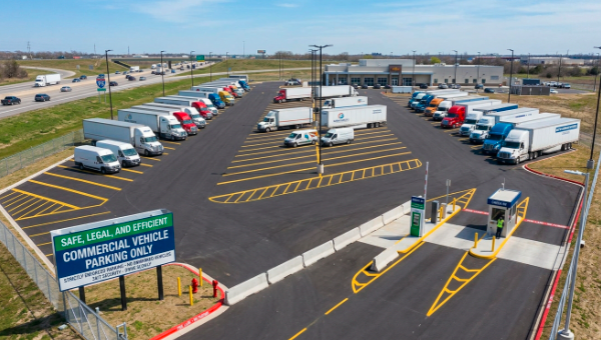
Truck parking refers to designated areas specifically designed to accommodate large commercial vehicles such as tractor-trailers, semi-trucks, delivery trucks, and freight carriers. Unlike regular car parking, truck parking spaces require more length, width, and turning space to allow safe maneuvering. These areas are usually located along highways, at truck stops, logistics hubs, rest areas, and industrial zones where freight movement is common.
Because trucks often operate on long-haul schedules, truck parking is not just about convenience but also about regulatory compliance. Many transport laws require drivers to take mandatory rest breaks after a certain number of driving hours, making safe parking locations essential for legal operation. Without proper parking facilities, drivers may struggle to meet these requirements safely.
Importance of Designated Truck Parking Areas
Designated truck parking areas play a crucial role in ensuring road safety and efficient transportation systems. When trucks park in unauthorized or unsafe locations, they can create traffic hazards, obstruct visibility, and increase the risk of accidents. Properly designed parking facilities help prevent these issues by providing structured spaces that accommodate large vehicles without disrupting traffic flow.
These areas are also important for driver safety and comfort. Long-distance trucking often involves extended hours on the road, and drivers need secure places to rest, sleep, and recover. Well-maintained truck parking facilities offer lighting, security surveillance, restrooms, fuel stations, and sometimes even food services, making them essential rest points during long journeys.Truck parking comes in several forms depending on location, purpose, and infrastructure. Highway rest areas are among the most common, offering designated spaces for short breaks, overnight stays, and mandatory rest periods. These areas are usually managed by government transportation authorities and are strategically placed along major routes.
Truck stops are another important type of truck parking facility. These are privately operated locations that provide fuel, parking, food, showers, and maintenance services. Truck stops are widely used by long-haul drivers because they offer convenience and full-service support in one location.Industrial parking zones and warehouse loading areas also serve as truck parking spaces, especially for logistics companies handling freight loading and unloading. These areas are typically used for short-term parking during cargo operations but may also support longer stays depending on business requirements.
Safety Concerns in Truck Parking
Safety is one of the most important aspects of truck parking. Because trucks often carry valuable goods, they can become targets for theft, vandalism, or cargo tampering if parked in unsecured areas. Proper lighting, surveillance cameras, and security patrols are essential features of safe truck parking facilities.
Driver safety is equally important. Fatigue is a major issue in the trucking industry, and safe parking areas allow drivers to rest without worrying about security risks. Parking in unauthorized roadside locations can be dangerous due to traffic exposure, poor visibility, and lack of emergency support.Weather conditions also pose risks. Trucks parked in open or unprotected areas may be affected by extreme heat, cold, rain, or snow, which can impact vehicle performance and cargo safety. Well-designed parking facilities help minimize these environmental risks.
Regulations and Legal Requirements
Truck parking is governed by transportation laws and regulations that vary by region. Many countries enforce strict driving hour limits to prevent fatigue-related accidents, which makes access to proper parking essential. Drivers must comply with these rules by stopping at approved rest areas or designated truck stops when required.
In addition, some urban areas restrict truck parking within city limits due to traffic congestion and noise concerns. In such cases, trucks must use designated industrial zones or outskirts for parking. Violating these rules can result in fines, penalties, or towing.
Compliance with these regulations is not only a legal requirement but also an operational necessity for logistics companies that rely on timely deliveries and safe transportation practices.One of the biggest challenges in truck parking is the lack of sufficient space in many regions. As freight demand increases globally, the number of trucks on the road continues to grow, but parking infrastructure has not expanded at the same rate. This creates shortages, especially during peak hours or in high-traffic logistics corridors.
Drivers often face difficulty finding available parking spots at night, which can lead to last-minute stops in unsafe or unauthorized areas. This shortage increases stress levels, reduces rest quality, and can negatively impact driving performance.Another challenge is uneven distribution of parking facilities. While some areas may have well-equipped truck stops, others may have very limited or outdated infrastructure, forcing drivers to plan routes carefully based on available parking options.
Technology and Modern Truck Parking Solutions
Technology is playing an increasingly important role in improving truck parking management. Digital platforms and mobile applications now allow drivers to locate available parking spaces in real time, reducing the time spent searching for spots. These systems provide information about availability, pricing, amenities, and security features.
Some advanced parking facilities also use automated reservation systems, allowing drivers to book spaces in advance. This helps reduce uncertainty and ensures that drivers have guaranteed parking upon arrival.
Smart sensors and GPS-based tracking systems are also being implemented in modern truck parking facilities to monitor occupancy levels and improve efficiency. These innovations are helping address long-standing issues in the logistics industry related to parking shortages and route planning.
Economic Importance of Truck Parking
Truck parking plays a major role in supporting the global supply chain and logistics industry. Without safe and reliable parking infrastructure, transportation efficiency would decline significantly, leading to delays in goods delivery and increased operational costs.
For trucking companies, access to reliable parking reduces downtime, improves driver satisfaction, and enhances overall productivity. It also helps ensure compliance with labor regulations and safety standards, which are critical for maintaining long-term business operations.
For governments and municipalities, investing in truck parking infrastructure helps reduce highway congestion, improve road safety, and support economic activity by ensuring smooth freight movement.Modern truck parking facilities are increasingly being designed with environmental considerations in mind. Idling trucks can contribute to air pollution and fuel waste, so many facilities now provide electrification options such as idle-reduction systems and charging stations for electric trucks.
Properly managed parking areas also help reduce illegal roadside stops, which can contribute to environmental degradation and traffic disruption. By centralizing parking in designated areas, authorities can better manage emissions and improve overall environmental impact.
It is also important for drivers to follow safety protocols when parking, such as securing the vehicle, checking surroundings, and ensuring compliance with rest regulations. Choosing well-lit and secure facilities significantly reduces risk and improves rest quality.Respecting parking rules, time limits, and facility guidelines also helps maintain order and ensures availability for other drivers who may need the space.
Conclusion
For drivers, planning ahead is one of the most important practices when it comes to truck parking. Knowing where parking facilities are located along a route can help avoid last-minute stress and unsafe stopping decisions. Many professional drivers rely on route planning tools and trucking apps to identify suitable parking locations in advance.
Truck parking is a vital component of the transportation and logistics system, directly impacting road safety, driver well-being, and supply chain efficiency. While challenges such as space shortages and infrastructure limitations continue to exist, advancements in technology and improved facility design are helping address these issues.
By understanding regulations, planning routes effectively, and using designated facilities, drivers and companies can ensure safer and more efficient operations. Proper truck parking is not just a convenience but a necessity for maintaining a reliable and sustainable transportation network that supports economic growth and public safety.