



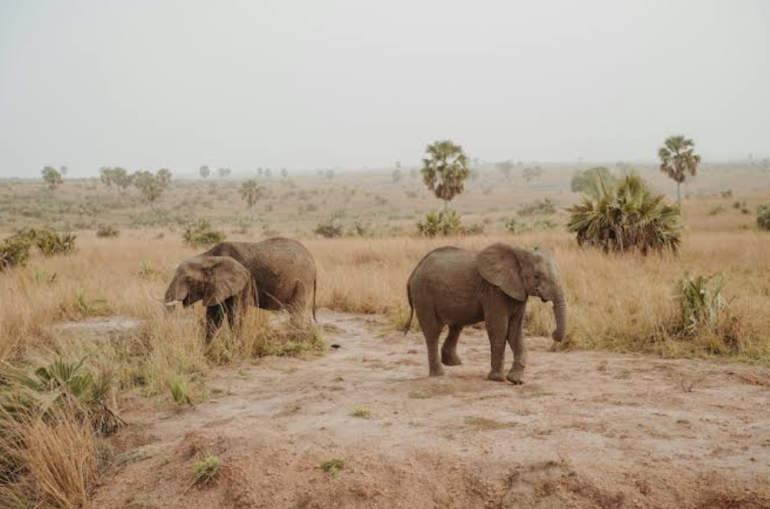
Uganda and Rwanda offer exceptional gorilla trekking, but they suit different journeys. Uganda works well for travellers seeking longer wildlife circuits, varied landscapes and a choice of gorilla-trekking sectors. Rwanda offers shorter transfers, efficient logistics and convenient access to Volcanoes National Park.
The decision should not rest on which country is “better.” It should depend on your available time, budget, fitness, preferred accommodation and the other wildlife you want to see.
Uganda or Rwanda: Which Safari Destination Should You Choose?
Choose Uganda if you want to combine gorilla trekking with chimpanzees, game drives, boat trips and several national parks. Its longer driving distances are balanced by greater variety.
Choose Rwanda if you have limited time or prefer simpler road logistics. Volcanoes National Park is approximately a two-and-a-half-hour drive from Kigali under normal conditions, making a short gorilla itinerary possible.
| Travel consideration | Uganda | Rwanda |
|---|---|---|
| Gorilla destinations | Bwindi and Mgahinga | Volcanoes National Park |
| Typical road journeys | Longer and more varied | Shorter and more direct |
| Trekking character | Dense forest and steep trails | Mountain slopes and bamboo forest |
| Wider safari options | Extensive wildlife circuits | Compact wildlife circuits |
| Best suited to | Travellers wanting variety | Travellers prioritising convenience |
What Does a Uganda Safari Offer Beyond Gorilla Trekking?
A well-planned Uganda Safari can connect Bwindi’s mountain forests with chimpanzee tracking in Kibale, game drives in Queen Elizabeth National Park and a boat trip on the Kazinga Channel. Longer itineraries may continue north to Murchison Falls or northeast to Kidepo Valley.
Uganda’s strength is the contrast between its habitats. A single trip can include rainforest, savannah, wetlands, crater lakes and the River Nile.
That variety comes with a practical consideration: distances can be substantial. Driving between parks may occupy much of a day, while heavy rain, roadworks or slow traffic can extend transfer times. Domestic flights are useful for travellers with limited time, although they increase the overall cost.
Where Should You Trek Gorillas in Uganda?
Uganda’s gorilla treks take place in Bwindi Impenetrable National Park and Mgahinga Gorilla National Park. Bwindi has several trekking areas, and the sector shown on a permit determines where the traveller must report.
Buhoma
Buhoma, in northern Bwindi, has a long-established lodge network and is often convenient for itineraries arriving from Queen Elizabeth National Park. Accommodation ranges from modest camps to high-end forest lodges.
Ruhija
Ruhija lies at a higher elevation in eastern Bwindi. Mornings can be cold and misty, and some accommodation is positioned away from the briefing point. Travellers should confirm transfer arrangements before arrival.
Rushaga and Nkuringo
Rushaga and Nkuringo serve southern Bwindi and are commonly used on journeys arriving through Kisoro or crossing from Rwanda. The terrain around Nkuringo can be especially steep, although the sector also delivers impressive views across the surrounding highlands.
Sector choice affects road access, lodge location and reporting time. Booking a room on the opposite side of Bwindi can result in an impractical early-morning drive.
What Are Uganda Gorilla Tours Really Like?
Good Uganda Gorilla Tours should specify the trekking sector, permit arrangements, realistic transfer times and accommodation location. A vague itinerary that simply promises “gorilla trekking in Bwindi” leaves out details that can determine whether the journey runs smoothly.
Trekkers attend an early briefing before being assigned to a habituated gorilla family. The walk may last a few hours or occupy most of the day because gorillas move freely and cannot be expected in a fixed location.
Once the group reaches the gorillas, standard trekking permits generally allow a limited viewing period. Visitors must follow the ranger’s instructions concerning distance, movement, photography and health precautions.
How Fit Must You Be?
You do not need to be an athlete, but you should be comfortable walking on uneven ground. Bwindi trails can involve steep climbs, tangled vegetation, slippery roots and deep mud.
Travellers with knee problems or limited mobility should speak to their operator in advance. Ranger teams may consider fitness when allocating groups, but an easy trek can never be guaranteed.
Hiring a local porter is worthwhile. A porter can carry a daypack and provide steady support on difficult slopes, while the fee contributes directly to the surrounding community.
Why Choose a Rwanda Safari?
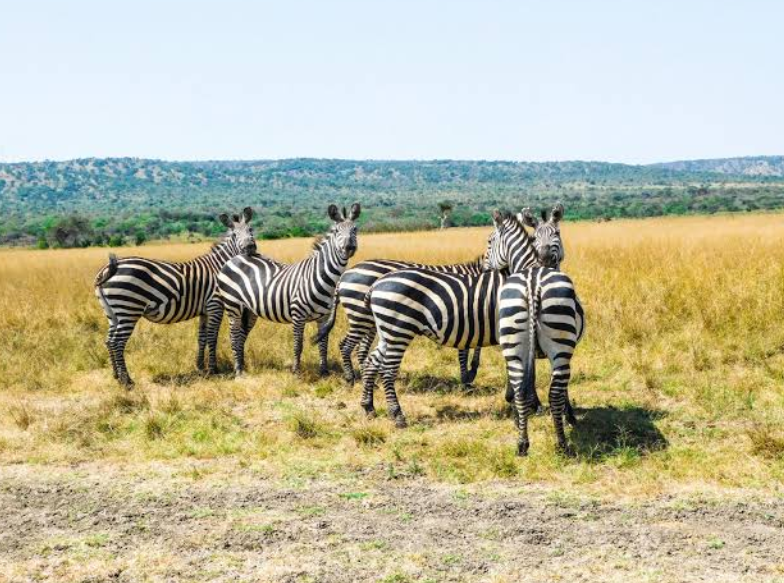
A Rwanda Safari is particularly practical for travellers who want to reduce time on the road. Kigali provides a convenient arrival point, and the country’s principal tourism destinations can be connected within a relatively compact circuit.
Volcanoes National Park is the centre of Rwanda’s gorilla tourism. Akagera National Park offers savannah game viewing, while Nyungwe Forest is known for primates, forest walks and birdlife.
Rwanda’s roads are generally efficient, but the journey is not entirely effortless. Volcanoes National Park sits at altitude, rain can fall at any time, and trekking routes may cross muddy farmland before entering bamboo and montane forest.
Is Gorilla Trekking Easier in Rwanda?
Not necessarily. Rwanda provides easier access from its capital, but that does not guarantee a short or gentle trek.
Some gorilla families may be reached relatively quickly. Others require sustained climbing over wet, uneven ground. The location of each family changes daily, so trek duration cannot be confirmed beforehand.
The distinction is therefore logistical: reaching the park is often easier in Rwanda, while the forest walk remains a genuine mountain activity.
When Is the Best Time to Visit Uganda and Rwanda?
Gorilla trekking operates throughout the year. The relatively drier periods, commonly from June to September and December to February, are popular because trails may be less muddy.
Rain is still possible in any month. Bwindi and Volcanoes are mountain forests, not dry-season destinations where showers disappear completely.
The wetter months can offer greener scenery, fewer visitors and softer forest light. In return, travellers must accept more slippery trails and slower road conditions.
Book permits before making non-refundable flight or lodge commitments, particularly when travelling during busy periods. Permits are limited, linked to specific dates and subject to official booking and cancellation conditions.
What Should You Pack for Gorilla Trekking?
Pack for wet vegetation, mud and changing temperatures rather than for a conventional game drive.
Essential items include:
- Waterproof hiking boots with reliable grip
- Long trousers and a long-sleeved shirt
- Gardening or trekking gloves for gripping vegetation
- A lightweight waterproof jacket
- Gaiters or long socks to protect the ankles
- Drinking water and a packed lunch
- Insect repellent and personal medication
- A small waterproof cover for cameras and documents
Avoid relying on new boots. Wear them before the trip to identify pressure points and reduce the risk of blisters.
Flash photography is not permitted around gorillas. Camera users should understand their low-light settings before entering the forest because there may be little time to experiment during the encounter.
Can You Combine Gorilla Trekking With Tanzania?
Yes, particularly if you want to contrast forest trekking with classic savannah game viewing. Regional flights can connect Entebbe or Kigali with northern Tanzania, although some routes require a connection.
Adding Tanzania Safaris allows travellers to pair mountain gorillas with the Serengeti, Ngorongoro Crater or Tarangire National Park. This combination is most comfortable with at least two weeks, especially when international and regional flight days are included.
Do not design the itinerary around wildlife alone. Check baggage limits on small aircraft, border requirements, vaccination rules and the amount of rest needed after trekking.
How Can Travellers Support Responsible Tourism?
Responsible gorilla tourism depends on protecting both the animals and the people living beside the parks.
Travellers should:
- Never trek when suffering from a contagious illness
- Follow ranger instructions without attempting to approach a gorilla
- Avoid feeding wildlife or leaving waste in the forest
- Use established community experiences with clear local participation
- Ask operators how porters, guides and community partners are paid
- Keep cultural photography respectful and permission-based
Gorillas share susceptibility to several human illnesses. Health rules are therefore conservation measures, not optional inconveniences.
Final Verdict: Uganda or Rwanda?
Uganda is the stronger choice for a longer, wildlife-rich circuit involving gorillas, chimpanzees, savannah parks and boat journeys. Rwanda suits travellers who want efficient transfers, a shorter itinerary and convenient access from Kigali.
For many visitors, the most rewarding approach is not choosing one country over the other. It is building an itinerary around the right trekking sector, realistic travel times and enough recovery time to enjoy the experience.
Whichever destination you select, secure the gorilla permit first. The permit determines the trekking date—and, in Uganda, the sector—around which the rest of the journey should be organised.