



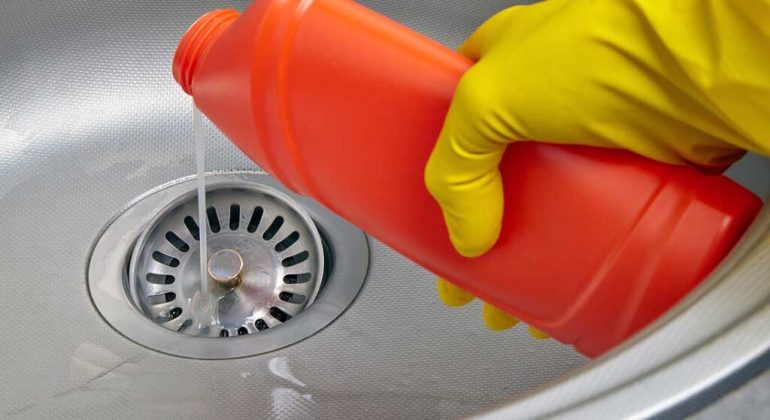
Reaching for a chemical drain cleaner is often the first reaction when water starts draining slowly. These products promise fast results and appear to offer a simple solution without the need for professional help. In some cases, they may seem to work temporarily, but many homeowners find that the blockage returns, often worse than before. Understanding why this happens can help you avoid repeated frustration and prevent further damage to your plumbing system.
Why Blockages Return Worse
Chemical drain cleaners are designed to break down organic material such as hair, grease, and food particles. While this sounds effective, the reality is that these products typically only act on the surface layer of the blockage. They rarely reach or fully remove the deeper obstruction that is causing the issue.
When only part of the blockage is cleared, the remaining debris continues to restrict water flow. Over time, new material builds up around it, creating a thicker and more stubborn blockage. This is why drains often seem to improve briefly before becoming clogged again.
Another factor is how these chemicals interact with different types of blockages. For example, solid obstructions such as tree roots, compacted grease, or foreign objects are not easily broken down by chemical solutions. Instead of resolving the problem, the cleaner may simply pass around the obstruction without removing it.
In some cases, the chemical reaction can even shift debris further down the pipe, creating a blockage in a more difficult location. This makes the issue harder to access and more complicated to fix later.
Damage Caused by Chemical Cleaners
One of the biggest concerns with chemical drain cleaners is the damage they can cause to your plumbing system. These products often contain strong corrosive agents designed to dissolve organic matter. While they may break down some debris, they can also affect the pipes themselves.
Older pipes are particularly vulnerable. Repeated exposure to harsh chemicals can weaken the material, leading to cracks, leaks, or complete failure over time. Even modern piping is not immune, especially if cleaners are used frequently.
Another issue is the residue left behind after the chemical reaction. Instead of fully dissolving, some substances can harden and stick to the inner walls of the pipes. This creates a rough surface that traps more debris, accelerating the formation of future blockages.
There is also the risk of chemical build-up if multiple products are used in an attempt to fix the problem. Mixing different cleaners can create dangerous reactions, producing heat or fumes that are harmful to both the plumbing system and the people using it.
Why DIY Solutions Often Fall Short
Many homeowners rely on chemical cleaners because they are quick and easily available. However, these products are designed for convenience rather than long-term effectiveness. They do not provide a complete solution because they do not address the underlying cause of the blockage.
Without identifying what is actually causing the issue, any fix is likely to be temporary. Whether it is a build-up of grease, a collapsed section of pipe, or an external obstruction, the problem remains unresolved beneath the surface.
Repeated use of DIY solutions can also make the situation worse. As the blockage becomes more compacted and the pipes experience more wear, the eventual repair may be more extensive than it would have been with early professional intervention.
When Professional Help Is Needed
If a blockage keeps returning or does not respond to basic cleaning methods, it is time to call a professional. A qualified blocked drain plumber has the tools and expertise to locate the exact source of the problem.
Modern diagnostic equipment, such as drain cameras, allows plumbers to inspect the inside of the pipes and identify what is causing the obstruction. This eliminates guesswork and ensures that the correct solution is applied.
Once the issue is identified, the blockage can be cleared using appropriate methods. High-pressure water jetting, mechanical tools, and specialised equipment are far more effective than chemical cleaners. These techniques remove the entire obstruction rather than just breaking down part of it.
Professional services also help protect the condition of your pipes. Instead of exposing them to corrosive substances, the cleaning process is designed to restore proper flow without causing damage.
A skilled Drain cleaning plumber can also provide advice on preventing future blockages. This may include guidance on what should not be disposed of down the drain and how to maintain the system properly.
Long-Term Benefits of Proper Drain Cleaning
Addressing a blockage correctly the first time offers significant long-term advantages. It reduces the likelihood of recurring issues and helps maintain consistent water flow throughout the home.
Professional cleaning also extends the lifespan of your plumbing system. By removing build-up safely and thoroughly, it prevents the gradual deterioration that can occur with repeated chemical use.
Another benefit is peace of mind. Knowing that the problem has been properly resolved allows you to use your plumbing system without worrying about sudden blockages or unexpected damage.
Conclusion
Chemical drain cleaners may seem like a quick fix, but they rarely solve the real problem. By only addressing surface debris, they allow deeper blockages to remain and often make the situation worse over time. In addition, the damage they can cause to pipes creates further complications that could have been avoided.
If you are dealing with a persistent blockage, it is best to avoid repeated DIY attempts and seek professional help. Contact an experienced plumber to properly diagnose and clear the issue before it escalates. A thorough approach not only restores your drains but also protects your plumbing system in the long run.