



If you spend a lot of time with action movies, you stop forgiving bad sound and flat images. You notice when dialogue gets buried under background noise, when impacts don’t land, and when a screen makes everything look washed out. The same thing happens on Zoom. When people are trying to walk through a stunt reel, a trailer cut, or even a storyboard over video, harsh echo and dull visuals make it harder to follow what’s going on.
Most meeting spaces are built as if that doesn’t matter. Someone adds a camera, a couple of microphones, and a display to whatever room is available, then hopes Zoom will do the rest.
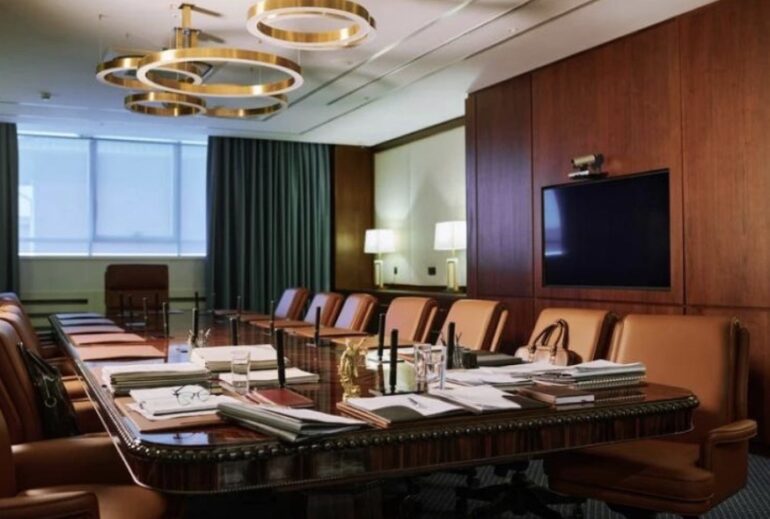
Creation Networks approaches Zoom-first spaces from the opposite direction. They start with the environment, then match it with commercial-grade displays, microphones, speakers, control, and acoustic design, and keep everything tied together with proper programming and support. The result is a room where people can actually see and hear what they came to talk about, without struggling with the tech first.
From ‘Can You Hear Me?’ to Zoom-First Design
Creation Networks is a U.S. audiovisual integrator and reseller with nearly two decades of commercial AV experience. They’re an SBA-certified small business with offices in Northern Nevada and Concord, California, along with regional teams that support organizations across the country. You can see their full range of services at https://creationnetworks.net/.
Since 2006, they’ve focused on end-to-end commercial AV work rather than selling standalone devices. Their services include hardware selection, AV system design and engineering, CAD documentation, programming, installation, training, and ongoing support. This approach is used in boardrooms, training rooms, collaboration spaces, huddle rooms, all-hands spaces, command centers, and eSports rooms. Many of these depend on Zoom as the main communication platform.
Creation Networks’ value shows in how they handle these Zoom-first environments: they design the full system, build it to match the space, and provide the long-term support needed for daily use.
Adapting Physical Room Conditions for Better Zoom Quality
A Zoom room works only if the physical space allows sound and visuals to be captured and reproduced accurately. Several room conditions directly affect this. Echo makes speech less intelligible. Poor seating layout makes it harder for participants to see the display. Lighting that is too bright or uneven makes faces and shared material appear washed out on camera. These are simple physical causes with simple effects: they interfere with how well people can follow the meeting.
Creation Networks begins by assessing the room itself. They look at size, materials, seating, display angles, and lighting. After that, they select displays, microphones, and speakers that fit those conditions. When needed, they use acoustic design services to reduce echo or adjust how sound is captured. This process ensures that dialogue remains clear and that images appear stable and readable for everyone in the room.
Canadian director Denis Villeneuve said, “Pure image and sound… is the power of cinema.” The same principle applies in a practical way to Zoom rooms: people need to hear and see information without strain. Star Wars creator George Lucas summarized it even more simply: “Sound is 50 percent of the movie-going experience.” Clear speech is half of any meeting.
Creation Networks’ approach addresses these basics directly by matching the room and the equipment from the start, rather than placing devices into a space that cannot support them.
How Creation Networks Builds Effective Zoom-First Spaces
Creation Networks designs and installs certified Zoom Rooms, as well as Microsoft Teams Rooms, Google Meet Rooms, and Cisco Webex Rooms. In Zoom-first spaces, their focus is consistency: the system should start easily, operate predictably, and handle the requirements of daily use.
Their installations typically include:
- Audio and video conferencing systems built for clear speech pickup
- Commercial-grade sound systems and displays sized for the room
- Interactive whiteboards for annotation and visual walkthroughs
- Wired and wireless content sharing
- Integration with lighting, HVAC, and motorized shades to control glare and noise
- Sound masking and speech privacy solutions for open-office environments
This technical setup is supported by a defined process that covers consultation, system design, installation and training. Creation Networks also works on more advanced environments, including hybrid spaces with video walls, broadcast-style control rooms and live or post-production studios ranging from small insert areas to full sound stages.
In all of these cases, the intention is the same: to build a system that fits the room, supports clear communication, and performs reliably throughout the day.
Reliable Control and Support That Saves Show Time
Most people only think about the practical side of a Zoom-first space when something stops working. If the system is unreliable or difficult to operate, meetings slow down, and someone has to troubleshoot instead of getting started.
Creation Networks reduces those issues by building rooms on stable, well-supported AV platforms. They use Crestron for control, scheduling and wireless presentation, and rely on QSC/Q-SYS and Biamp for audio processing. Shure and Meyer Sound cover microphones and speakers, while Logitech, Samsung commercial displays, Poly and Neat handle cameras and screens. They’re also members of AVIXA and the USAV EDGE AV Integrator Organization, which keeps them aligned with current standards and vetted partners.
Creation Networks provides AV control programming, help desk support, managed AV service, and on-site assistance when necessary. In busy rooms, small technical issues add up quickly, so dependable control and support make a noticeable difference. A consistent control interface reduces hesitation, predictable device behavior prevents unnecessary delays, and reliable support in the background helps teams focus on the discussion rather than the equipment.
Final Thoughts
Good Zoom rooms work well because the audio, video, layout, and control system are planned together. Creation Networks approaches Zoom-first spaces with that basic idea: each part of the setup should support clear conversation without creating extra steps for the people using it.
They’re one of the integrators raising the baseline for Zoom-first rooms, and that improvement helps every team that depends on clear communication.