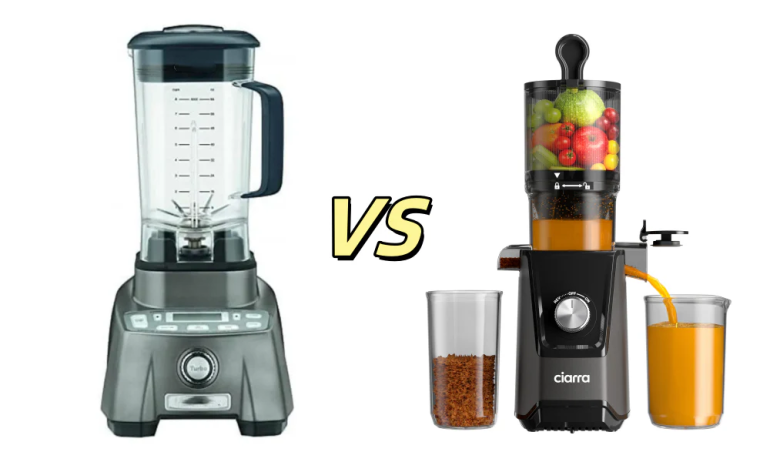
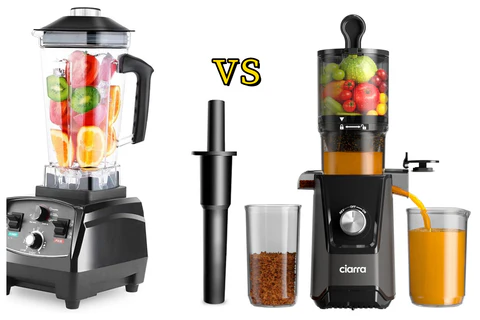
What is the Difference Between Juicing and Blending?
A juicer extracts the liquid from fruits and vegetables, separating the juice from the solid pulp. The machine discards the skin, seeds, and fibrous walls of the plant. This leaves you with a thin, concentrated liquid packed with vitamins and minerals that your body absorbs almost instantly.
A blender takes the opposite approach. It uses high-speed spinning blades to crush and liquefy everything you place inside the jar. No part of the ingredient is removed. You get a thick, filling drink that contains all the original pulp and dietary fiber.
For a detailed breakdown of how these specific appliances compare side by side, you can read more about the mechanics of a juicer vs blender.
The Benefits of Using a Juicer
Juicing offers unique advantages for people who want to increase their nutrient intake without feeling overly full.
Rapid Nutrient Absorption
Because a juicer removes the insolubly thick plant fibers, your digestive system does not have to work hard to break down the food. The body absorbs the liquid vitamins and antioxidants quickly. This makes juicing an excellent option for individuals with sensitive stomachs or those recovering from digestive issues.
High Density of Produce
It takes a large volume of vegetables to make a single glass of juice. For example, you can easily fit five carrots, two apples, a bunch of spinach, and a thumb of ginger into one cup of fresh juice. Eating that amount of raw produce in one sitting would be difficult for most people. Juicing allows you to consume a vast array of micro-nutrients in a compact format.
Pure Liquid Texture
If you dislike thick textures, pulpy drinks, or seed fragments, juicing provides a smooth, crisp beverage. It feels identical to store-bought juice but lacks the added sugars and chemical preservatives.
The Challenges of Juicing
While the high concentration of nutrients is a clear benefit, juicing comes with a few distinct drawbacks.
Lack of Dietary Fiber
Fiber is essential for gut health, regular digestion, and cholesterol management. Because juicers discard the pulp, you miss out on these structural benefits.
Blood Sugar Spikes
When you remove fiber from sweet fruits like oranges, pineapples, or grapes, you remove the natural brake that slows down sugar absorption. Your body processes the fruit sugar rapidly, which can cause sudden spikes and drops in blood glucose levels. To avoid this, experts recommend juicing mostly green vegetables and using small amounts of fruit for flavor.
Ingredient Waste and Cleanup
Juicers create a significant amount of leftover dry pulp. While you can reuse this pulp in baking or soups, much of it often ends up in the trash. Additionally, juicers have multiple complex parts, screens, and mesh filters that require immediate, thorough scrubbing to prevent clogging.
The Benefits of Using a Blender
Blending remains a staple in healthy kitchens because it provides a complete meal replacement option.
Complete Fiber Retention
Blenders preserve every bit of fiber from your ingredients. Fiber slows down digestion, which provides a steady release of energy into your bloodstream. This prevents sugar crashes and helps you feel full for hours.
Culinary Versatility
A blender is not limited to drinks. You can use it to make hot soups, frozen desserts, nut butters, homemade sauces, dips like hummus, and pancake batter. This multi-functional nature makes it a highly practical appliance for daily meal preparation. You can find high-quality kitchen tools to expand your cooking options by visiting Ciarra gadgets.
Zero Waste
Whatever goes into the blender jar stays in your final drink. There is no leftover pulp to discard, meaning you get maximum value from your grocery budget. Cleaning is also straightforward; most modern blenders can clean themselves if you fill them with warm water and a drop of dish soap, then run them on high speed for thirty seconds.
The Challenges of Blending
Blending is highly convenient, but it has a few specific limitations.
Thick and Heavy Texture
Smoothies are thick. If you use a lot of leafy greens, frozen fruits, and ice, the texture can become heavy or icy. Some people find it difficult to drink large amounts of thick liquids, especially early in the morning.
Accidental Calorie Density
Because blenders can easily process heavy ingredients like nuts, seeds, yogurt, protein powders, and avocados, it is easy to accidentally create a smoothie that contains more calories than a full plate of food. If you are tracking your calorie intake, you must measure your smoothie ingredients carefully.
Current Trends in Kitchen Beverage Appliances
Consumer preferences have caused manufacturers to update their product designs significantly over the last few years.
Cold Press Juicers: Traditional centrifugal juicers use fast spinning baskets that generate heat, which can slightly degrade fragile enzymes. Slow juicers, also known as masticating or cold press juicers, use a slow-turning screw to press out the liquid. This preserves more nutrients and extends the shelf life of the juice.
Personal Size Blenders: Large, heavy countertop blenders are sharing space with small, single-serve models. These allow users to blend a drink directly inside a travel cup, reducing clean-up time for busy professionals.
Hybrid Systems: Some brands now offer base units that connect to both a juicing attachment and a traditional blending jar, saving counter space.
How to Choose the Right Tool for Your Kitchen
To determine which appliance suits your lifestyle, look at your primary health goals and daily schedule.
Feature
Juicer
Blender
Primary Output
Clear, thin juice
Thick, rich smoothie
Fiber Content
None (removed)
High (fully retained)
Digestion Speed
Very fast
Slow and steady
Meal Replacement
No (lacks macronutrients)
Yes (can add protein/fats)
Prep and Clean time
Moderate to high
Low and fast
Choose a Juicer If:
You want a fast dose of vitamins, you struggle to eat enough vegetables throughout the day, or you want a refreshing drink that is easy on your stomach. Juicing is best used as a supplement to your regular meals rather than a replacement.
Choose a Blender If:
You want a quick breakfast replacement, you want to consume filling dietary fiber, or you want an appliance that can handle daily cooking tasks like making sauces and purees.
Final Thoughts
Neither appliance is universally better than the other. A juicer isolates vitamins for quick absorption, while a blender provides a fibrous, filling drink that utilizes the whole ingredient. Your choice depends entirely on how you want to support your nutritional habits.