



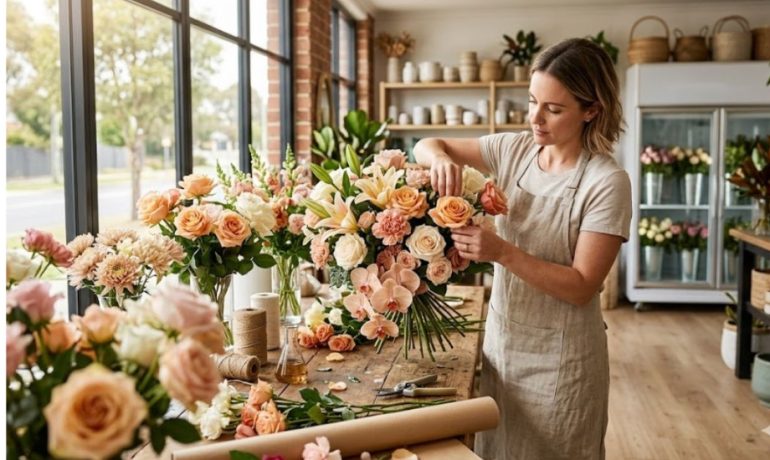
Fresh flowers instantly add colour, fragrance, and warmth to any space, but many bouquets begin wilting sooner than expected without proper care. While flowers naturally age after being cut, their lifespan can be extended significantly with the right handling techniques. Professional florists understand that hydration, temperature, vase cleanliness, and flower conditioning all influence how long fresh flowers remain healthy and vibrant. According to an experienced Doreen florist, small daily care habits often make the biggest difference in preserving bouquet freshness.
Whether you are displaying roses, lilies, carnations, tulips, or mixed seasonal arrangements, understanding how flowers respond to their environment can help extend their vase life naturally. In this guide, we will explore florist-approved flower care tips, hydration science, common mistakes to avoid, and practical ways to keep fresh flowers looking beautiful for longer.
Why Do Fresh Flowers Wilt So Quickly?
Fresh flowers begin ageing naturally once they are cut from the plant because they no longer receive nutrients from their roots. One of the main reasons flowers wilt quickly is bacterial growth inside the vase water. Bacteria can block the stem’s water pathways, making it difficult for petals to stay hydrated.
Heat and direct sunlight also speed up moisture loss, especially during warmer seasons. Mernda Florist often notice flowers fading faster when placed near windows, heaters, or kitchen appliances. Another hidden factor is ethylene gas released by fruits such as bananas and apples, which can accelerate flower ageing.
Sudden temperature changes, air conditioning, and poor water hygiene can also shorten vase life. Proper hydration, clean water, and cooler indoor conditions are essential for keeping flowers fresh longer.
How Professional Florists Keep Flowers Fresh Longer
Professional florists use several proven methods to protect flower freshness before arrangements are delivered or displayed. These techniques are designed to reduce dehydration, maintain healthy stems, and slow down natural ageing.
Proper Stem Conditioning
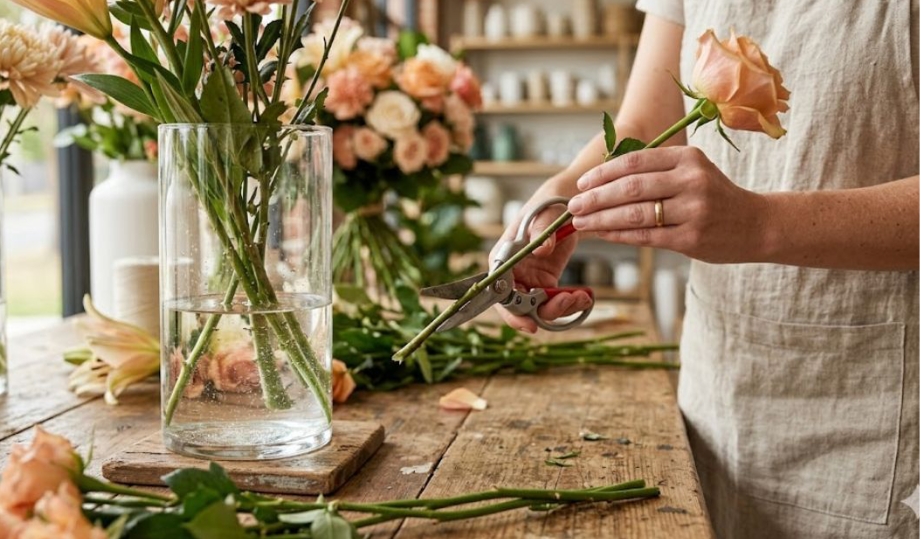
Florists usually trim flower stems at a 45-degree angle before placing them into water. This increases the stem surface area available for hydration and prevents stems from sitting flat against the vase bottom.
Many florists also re-cut stems every few days because the ends naturally begin sealing over time, reducing water absorption.
According to florist observations, roses and hydrangeas often respond especially well to fresh stem trimming because they lose moisture faster than sturdier flowers like carnations.
Temperature-Controlled Storage
Fresh flowers generally last longer in cool environments. Florists commonly store flowers in refrigerated spaces to slow bacterial growth and moisture loss.
Experienced florists in Doreen often notice that flowers displayed near shop windows during warmer afternoons tend to dehydrate more quickly compared to flowers stored in cooler indoor conditions.
Clean Water Management
Florists regularly replace vase water because stagnant water encourages bacteria buildup that blocks hydration pathways inside flower stems.
Most flower shops use clean, room-temperature water because it absorbs more efficiently than extremely cold water.
Removing Excess Foliage
Leaves below the waterline decay quickly and contaminate vase water. Removing submerged foliage helps maintain cleaner water and healthier flowers.
At Rups Flowers and Gifts, proper hydration, flower conditioning, and careful storage practices are considered essential parts of maintaining bouquet quality and freshness.
The Science Behind Flower Hydration
Hydration is one of the most important factors influencing flower longevity. Flowers absorb water through tiny vascular channels inside their stems called xylem vessels. These channels transport moisture upward into petals and leaves, helping flowers maintain their shape and colour.
When stems become blocked by bacteria, trapped air bubbles, or damaged tissue, flowers struggle to absorb enough water. This interruption often causes petals to droop unexpectedly.
Florists frequently recommend trimming stems underwater because this can help reduce air entering the stem. Re-cutting stems every two to three days also improves hydration by reopening blocked water pathways.
Hydrangeas are a common example of hydration-sensitive flowers. Many florists notice that slightly wilted hydrangeas sometimes recover surprisingly well after fresh stem trimming and deep water soaking.
Understanding how flowers absorb water explains why vase hygiene and stem maintenance are so important for extending bouquet life.
Best Home Tips to Make Fresh Flowers Last Longer
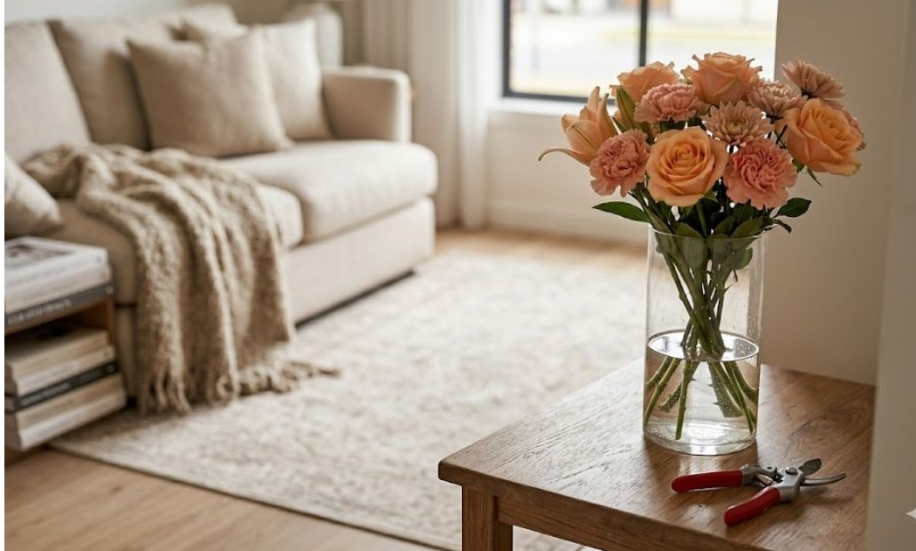
Florist-approved flower care methods can easily be followed at home. Consistent maintenance often makes a noticeable difference in flower freshness.
Change Vase Water Every Two Days
Fresh water helps prevent bacteria buildup and improves hydration. Florists generally recommend changing vase water every 48 hours and washing the vase thoroughly before refilling it.
Simply topping up old water is usually less effective because bacteria remain inside the vase.
Re-Trim Flower Stems Regularly
Fresh stem cuts reopen hydration pathways and improve water absorption. Sharp floral scissors or clean shears should always be used because dull blades can crush stems.
Keep Flowers Away from Heat
Flowers last significantly longer in cool indoor environments. Direct sunlight, kitchen heat, televisions, fireplaces, and heaters can dry petals quickly.
Many florists in Doreen often recommend placing bouquets in cooler rooms overnight because lower nighttime temperatures may help slow dehydration naturally.
Remove Wilting Flowers Quickly
Damaged flowers release bacteria into the vase water that can affect healthier blooms nearby. Removing ageing flowers early helps preserve the rest of the arrangement.
Use Flower Food Correctly
Professional flower food contains nutrients, acidifiers, and antibacterial ingredients that support flower health and hydration.
Too much flower food may damage delicate flowers, so following the recommended measurements is important.
Which Flowers Naturally Last the Longest?
Some flower varieties naturally remain fresh longer than others. Choosing durable flowers can help bouquets maintain their appearance for extended periods.
| Flower Type | Average Vase Life |
| Carnations | 14–21 days |
| Orchids | 14–21 days |
| Chrysanthemums | 14–20 days |
| Alstroemeria | 10–14 days |
| Lilies | 10–14 days |
| Roses | 7–10 days |
| Tulips | 5–7 days |
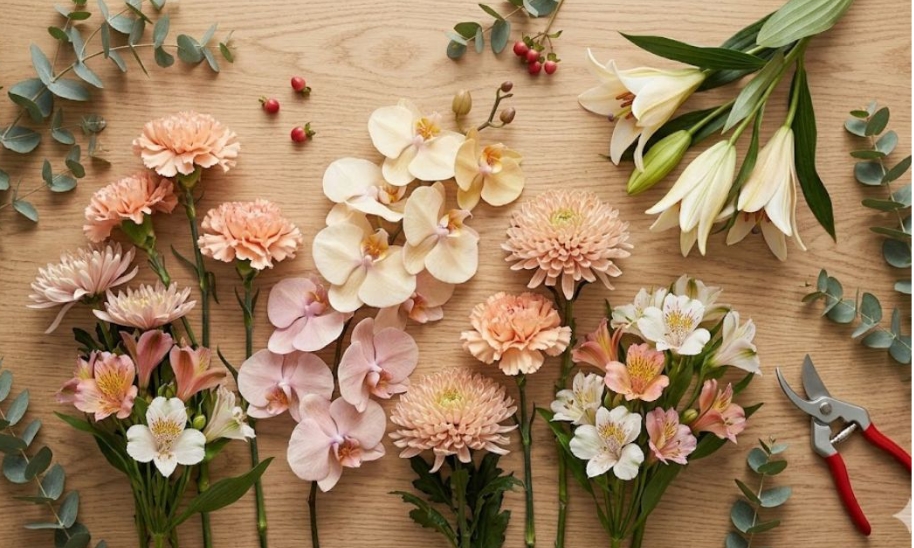
Carnations and chrysanthemums are widely known for their strong stems and slower moisture loss. Orchids also perform well indoors because they tolerate stable room temperatures effectively.
Florists often combine durable flowers with seasonal blooms to create arrangements that stay visually balanced and attractive for longer periods.
Common Mistakes That Shorten Flower Lifespan
Many bouquets lose freshness early because of small but common flower care mistakes.
Using Dirty Vases
Even clear-looking vases may contain bacterial residue from previous arrangements. Washing vases thoroughly before use helps reduce contamination.
Placing Flowers Near Fruit
Ripening fruits release ethylene gas, which speeds up flower ageing. Roses and tulips are especially sensitive to ethylene exposure.
Ignoring Stem Maintenance
Old stem ends absorb water poorly. Without regular trimming, hydration slows and flowers wilt faster.
Using Extremely Hot Water
Most flowers perform best in room-temperature water. Excessive heat may damage stems and delicate petals.
Overcrowding Flowers
Overcrowded bouquets reduce airflow between flowers and may encourage moisture buildup that promotes bacterial growth.
Do Homemade Flower Preservatives Work?
Homemade flower preservative recipes are widely discussed online, but their effectiveness varies depending on ingredient balance.
Sugar may provide nutrients that encourage blooming, while vinegar and lemon juice can slightly improve water absorption by lowering water pH levels.
Some people use small amounts of bleach to reduce bacterial growth, although excessive bleach can damage delicate stems and petals.
Professional flower preservatives are generally more balanced because they combine nutrients, acidifiers, and antibacterial ingredients in safer proportions designed specifically for cut flowers.
Florists often recommend commercial flower food because it delivers more consistent results for maintaining bouquet freshness.
Seasonal Flower Care Tips
Seasonal weather conditions can strongly influence flower lifespan. During warmer months, flowers often require more frequent water changes because heat accelerates moisture loss and bacterial growth.
In cooler seasons, flowers may naturally last longer due to reduced dehydration. However, indoor heaters and fireplaces can still dry petals quickly.
Humidity also affects flower freshness. Dry indoor air commonly causes delicate flowers such as hydrangeas and tulips to lose moisture faster.
Florists in Doreen often adjust flower care recommendations depending on seasonal conditions, flower varieties, and local temperatures.
At Rups Flowers and Gifts, seasonal flower handling methods are often adapted throughout the year to help bouquets remain fresh, hydrated, and visually appealing for longer.
How to Keep Roses Fresh Longer
Roses are among the most popular cut flowers, but they require careful hydration and stem maintenance to remain healthy.
Florists commonly recommend:
- trimming rose stems every two days,
- changing the water in the vase regularly,
- removing damaged outer petals,
- and keeping roses away from direct heat.
Roses are particularly sensitive to blocked stems. Florists often notice that drooping roses sometimes recover after stems are re-cut underwater because this removes trapped air bubbles affecting hydration.
Warmer rooms may also encourage roses to bloom faster, while cooler environments generally help flowers maintain freshness longer.
With proper care, fresh roses can remain healthy and vibrant for more than a week.
Why Proper Flower Transportation Matters
Flower freshness begins long before arrangements are placed into a vase. Poor transportation conditions can significantly shorten the lifespan.
Heat exposure during delivery often causes flowers to lose moisture quickly. Delicate flowers such as tulips and hydrangeas are especially vulnerable to dehydration and bruising during transport.
Professional florists commonly use:
- hydration wraps,
- insulated packaging,
- careful stem protection,
- and temperature-controlled storage.
These handling techniques help flowers arrive fresher and healthier while reducing stress during transportation.
Reliable flower care depends not only on bouquet quality but also on proper handling throughout the entire delivery process.
Why Local Florist Expertise Makes a Difference
Local florists often understand how regional temperatures, seasonal weather, and flower availability affect bouquet care.
Experienced florists in Doreen may recommend different care techniques during warmer seasons compared to cooler months. This practical local knowledge helps customers maintain flowers more effectively at home.
Local florist expertise can also help customers choose:
- longer-lasting flower varieties,
- seasonal flowers suited to the climate,
- and bouquets requiring less maintenance.
At Rups Flowers and Gifts, careful flower preparation, hydration management, and seasonal handling practices all contribute to creating fresher and longer-lasting floral arrangements.
Final Thoughts
Fresh flowers can remain beautiful for much longer when proper care techniques are followed consistently. Simple habits such as changing water regularly, trimming stems properly, keeping flowers cool, and maintaining clean vases can dramatically improve vase life.
Understanding how hydration, bacteria, temperature, and environmental conditions affect flowers helps preserve their colour, fragrance, and overall appearance for many extra days.
Florist-approved flower care methods are practical, easy to apply, and highly effective for maintaining healthy bouquets at home. Whether caring for roses, orchids, carnations, tulips, or mixed arrangements, small daily care habits can make a significant difference in flower longevity.
For fresh seasonal bouquets, carefully arranged floral designs, and expert flower care advice, Rups Flowers and Gifts offers thoughtfully prepared flowers designed to stay vibrant, fresh, and visually appealing for longer.
Frequently Asked Questions
How often should fresh flower water be changed?
Fresh flower water should ideally be changed every two days. Regular water changes help reduce bacteria growth and improve hydration for longer-lasting flowers.
What helps fresh flowers last longer naturally?
Keeping flowers in cool environments, trimming stems regularly, using clean water, and removing damaged foliage all help flowers stay fresh longer naturally.
Which flowers have the longest vase life?
Carnations, orchids, chrysanthemums, and alstroemeria are among the longest-lasting cut flowers when properly maintained.
Why do roses droop quickly in a vase?
Roses often droop because blocked stems prevent water absorption. Re-cutting stems and changing water regularly can help restore hydration.
Does flower food actually make a difference?
Yes. Professional flower food contains nutrients and antibacterial ingredients that help flowers absorb water better and remain fresh longer.