



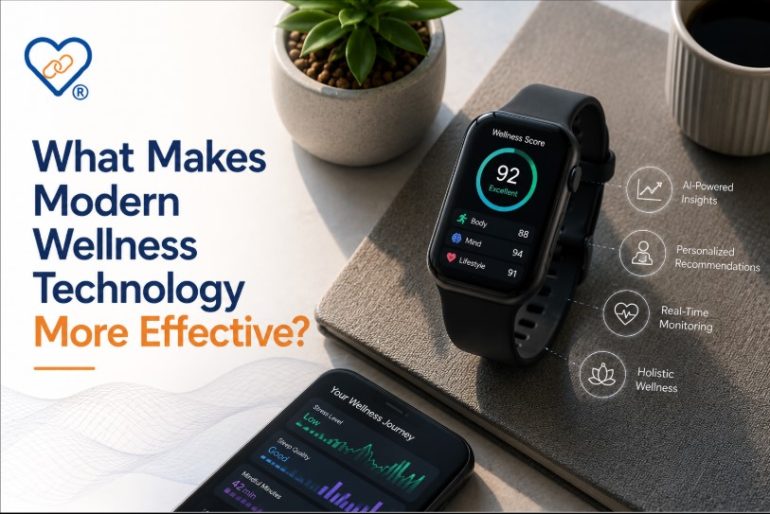
A guy I know bought three wellness gadgets in one year. A tracker, a smart ring, and a sleep mat. Today, all three are sitting in a drawer. None of them failed technically. They measured exactly what they promised, but they never changed how he actually felt or behaved because they simply displayed data instead of helping him act on it. That highlights the biggest challenge facing modern wellness technology today. Collecting information is no longer enough. The most effective devices help users understand their health, build better habits, and respond to important changes before they become bigger problems.
What Is Modern Wellness Technology?
Modern wellness technology refers to devices and digital systems that monitor physical and mental well-being while helping users make informed daily decisions. Unlike older fitness trackers that focused mainly on counting steps or calories, today’s technology measures multiple aspects of health simultaneously.
Many devices now monitor heart rate variability, sleep quality, stress indicators, activity patterns, and recovery levels. The goal is not simply to collect numbers but to provide meaningful insights that encourage healthier routines and long-term behaviour change.
How Connected Health Devices Work Together
Connected health devices become more valuable when they share information across a single ecosystem instead of operating independently.
An integrated wellness system may include:
- A wearable device that continuously monitors health signals.
- A mobile application that presents understandable insights.
- Smart home integrations that adjust lighting or environmental settings.
- Community or accountability features that encourage consistent progress.
Instead of viewing separate reports from multiple devices, users receive a broader picture that combines sleep, activity, recovery, and daily routines into one experience.
This connected approach makes health information easier to understand and far more practical to use.
Why Biometric Tracking Matters
Biometric tracking helps identify physical changes before people consciously recognise them. The body often responds to stress long before the mind notices the warning signs.
Common measurements include:
- Heart rate variability that reflects stress and recovery.
- Sleep quality and sleep stages.
- Daily movement and activity consistency.
- Skin temperature and other physiological indicators.
Individually, these measurements provide limited value. Together, they reveal meaningful patterns that allow people to adjust routines before fatigue or stress begins affecting daily performance.
Rather than replacing personal awareness, biometric tracking strengthens it by providing objective information that may otherwise go unnoticed.
What Makes One Wellness Device More Effective?
Not every wellness device delivers the same experience. The most useful platforms move beyond reporting information and actively support healthier decisions.
When comparing devices, consider whether they:
- Provide useful recommendations instead of only displaying statistics.
- Deliver reminders when they’re most helpful.
- Present information in a simple, understandable format.
- Offer community support or accountability.
- Encourage consistent engagement rather than occasional use.
Technology that responds to health data is significantly more valuable than technology that simply records it.
Where Modern Wellness Technology Is Used
Today’s wellness technology supports people in many different situations, not only those focused on fitness.
Office professionals use wearable devices to recognise rising stress levels during demanding workdays.
Students benefit from reminders and habit-building tools that help maintain focus during examination periods.
Shift workers can identify sleep debt before it begins affecting concentration and decision-making.
Individuals recovering from burnout often rely on consistent health tracking and accountability to rebuild sustainable daily routines.
Although each situation is different, the purpose remains the same: providing support at the right moment instead of expecting users to search for information themselves.
Understanding Long-Term Value
Modern wellness platforms often combine hardware with ongoing digital services such as AI-powered insights, personalised recommendations, progress reports, and community features.
While entry-level fitness trackers provide basic activity monitoring, more comprehensive platforms offer continuous support that evolves with the user’s goals.
The real value comes from long-term engagement rather than the device itself. A wearable that encourages consistent healthy habits often delivers greater benefits than one with impressive specifications but little practical guidance.
Conclusion
The future of modern wellness technology is no longer about collecting more data. It’s about transforming health information into meaningful actions that improve everyday life. Connected ecosystems, biometric tracking, personalised recommendations, and ongoing support all contribute to making wellness technology genuinely effective. Rather than simply displaying numbers, platforms like Dirac Links demonstrate how wearable innovation can help people stay engaged, build healthier habits, and make lasting improvements to both physical and mental well-being.