


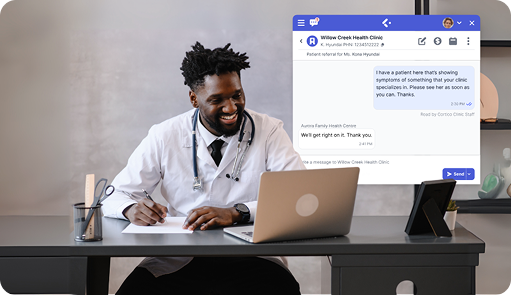
Patient engagement software can help healthcare clinics operate more efficiently while improving patient outcomes and the overall care experience. As digital transformation continues across healthcare, choosing the right patient engagement platform has become an important part of building a more connected, patient-centered practice. The right solution should include features that support patients, reduce staff workloads, streamline everyday workflows, and remove friction from the care journey. The company behind the platform should also bring the experience, support, tailored communication, and healthcare expertise needed to help clinics succeed over time.
Understanding Your Clinic’s Needs
Before evaluating the software itself, you need to clarify what your goals are. Some practices prioritize reducing no-shows, while others focus on improving communication, increasing patient satisfaction, or streamlining administrative workflows. Identifying your own priorities will help narrow the field and ensure the software you end up buying aligns with your daily operations. For example, a small private practice may need simple appointment reminders, while a larger healthcare system may require a full suite of engagement tools, like patient portals and population health management features. Knowing what you want out of your software helps you understand what to look for first.
Must-Have Communication Features
First and foremost, patient engagement software should make communication easier and more effective. Look for platforms that offer automated appointment reminders via text, email, and phone calls. Two-way messaging is another great feature that allows patients to confirm appointments, ask questions, check follow up instructions, or request rescheduling without taking up staff members’ valuable time. The ability to customize your messaging also adds value, as it ensures communication feels personal rather than generic, helping to improve patient responsiveness and satisfaction.
Integration with Existing Systems
Seamless integration with your existing Electronic Health Record (EHR) and management systems is a priority. Without proper integration, staff may be forced to duplicate data entry, which is inefficient and more prone to errors. The best patient engagement platforms integrate with your existing systems, automatically syncing appointment schedules, patient records, insurance forms, and billing information. When evaluating options, ask providers about compatibility with your current systems.
User-Friendly Experience
Both staff and patients should find the software intuitive and easy to use. A complicated interface can lead to low usage rates, which completely undermines the benefits of the platform. For patients, features like simple appointment scheduling, appointment canceling, easy access to medical records, and clear communication channels are important. For staff, dashboards should be straightforward, with clear workflows that reduce administrative burden rather than adding to it. Requesting a demo or trial period is a great way to get a feel for a system’s usability before making a commitment.
Evaluating the Company
The platform matters, but so does the company behind it. Look for patient engagement software companies with healthcare-specific expertise, strong client relationships, track record of success, and dependable support that helps your team succeed long after implementation. A strong vendor should also continue to improve its platform through regular updates and thoughtful innovation, helping protect the long-term value of your investment. Choosing the right partner can support a more connected patient experience today while giving your clinic room to grow over time.