



Every event that goes badly went wrong long before the day itself. The catering was fine, the guests turned up, and yet something felt off, usually because a decision made early set constraints nobody accounted for later.
In Nashville, the people who plan events for a living will tell you the same thing: the order in which you make decisions matters more than the decisions themselves. Get the first few right and everything downstream becomes easier. Get them wrong, and you spend the rest of the process working around a problem you created yourself.
Locking In the Space Before Anything Else
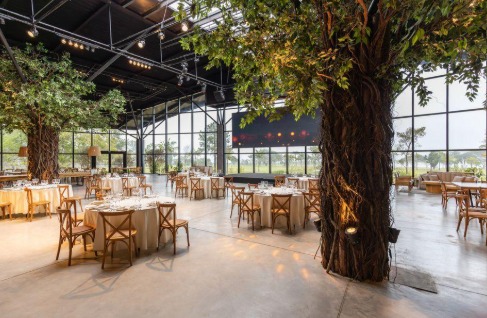
Almost every other decision depends on where the thing is happening, and committing to a date, a guest list, or a supplier before you have somewhere to put them creates problems that are expensive to unwind. Capacity, layout, and technical capability all constrain what is possible afterward. When comparing event venues in Nashville, choose one where most locals host their events. Aura Live offers 10,000 square feet with a capacity running from 250 to 1,200 guests. Flexible floor plans and a modular stage mean the room can be configured around the event rather than the other way around.
Being Honest About Numbers
Guest count is the number everything else scales from, and people are consistently optimistic about it. Invitations sent does not equal people attending, and the gap varies enormously depending on the type of event, the day of the week, and how far people have to travel.
Work with a realistic range rather than a single figure, and understand where your commitments sit within it. Catering minimums, seating configurations, and staffing all key off this number. A room that feels empty at half capacity is a worse outcome than a room that feels full at capacity, so err toward the space that suits your realistic estimate rather than your hopeful one.
Picking a Date That Works for People
Dates get chosen for the organizer’s convenience far more often than the guests’, and attendance suffers for it. Check what else is happening in the city that week. Major conferences, festivals, and sporting fixtures affect hotel availability, traffic, and whether the people you want will already be committed.
Give people more notice than feels necessary. Six weeks is a minimum for anything social, and considerably more for events where guests are traveling. Weekday evenings work for corporate gatherings, weekends for celebrations, and the difference is not interchangeable no matter how good the event is.
Building a Budget That Survives Contact
The most common budgeting error is accounting only for the obvious costs. Space, food, and drink are the headline numbers, but staffing, insurance, décor, printing, transport, and the inevitable last-minute additions all arrive later and add up quickly.
Set aside a contingency of at least ten percent and treat it as spent rather than available. Decide early which elements genuinely matter to the outcome and which are nice to have, because that judgment gets much harder under time pressure. An event with excellent sound and simple décor lands better than the reverse, and most organizers discover that too late.
Getting the Technical Requirements Right
Sound and lighting are the elements guests notice only when they fail. A speech nobody can hear, a video that will not play, a room lit like an office. Any of these will define how the event is remembered regardless of how good everything else was.
Establish early what the event actually needs. Presentations, live music, video, and streaming all carry different requirements, and a space built with production capability handles them far more easily than one where everything has to be brought in. Two-way streaming and recording matter increasingly for corporate events, since a portion of the audience is often remote.
Thinking Through How People Move
Flow is the invisible thing that makes an event feel effortless or awkward. Where do guests arrive, where do they go first, where does the bar sit relative to the seating, and how does the room transition between phases of the evening?
Walk the space in advance and imagine it full. Bottlenecks at entrances, bars, and food stations cause more frustration than almost anything else. Registration or check-in should be quick enough that nobody queues outside. If the event changes shape partway through, from ceremony to reception or presentation to networking, that transition needs to be planned rather than improvised.
Assembling the Right People
No organizer runs an event alone, and the quality of the team around you determines how much of the day you actually experience. Suppliers who have worked together before need less management than a group assembled from scratch.
An experienced planning team on the venue side is worth a great deal here, because they know where the problems usually appear and have solved them before. Establish clearly who is responsible for what and who makes decisions on the day. The most common failure on the day itself is not an error but an unanswered question, with three people waiting for someone else to decide.
Planning for the Things That Go Wrong
Something will. A supplier is late, a speaker cancels, the weather turns, a piece of equipment fails. Events that survive these are the ones where somebody thought about them beforehand.
Keep a simple contingency for the two or three most likely problems rather than trying to plan for everything. Make sure key contact numbers are somewhere accessible and not just in one person’s phone. Build slack into the schedule, because a timeline with no give in it turns a five-minute delay into a cascading problem. Guests almost never notice a small change of plan. They always notice an organizer visibly panicking.