



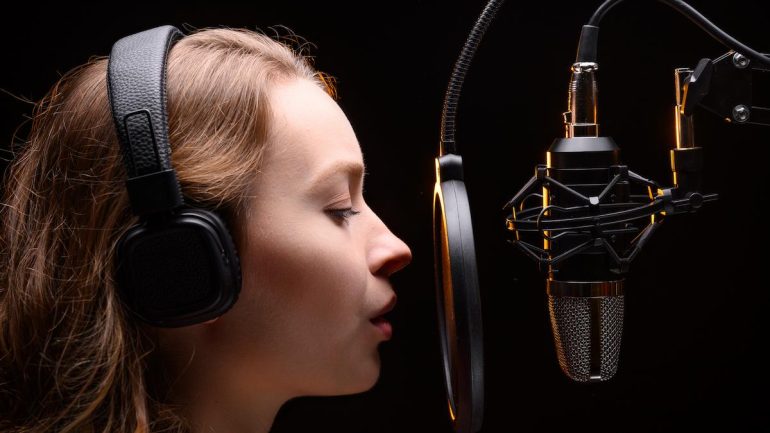
When a film crosses borders, its story does not travel alone. Language, tone, humor, and emotion must also adapt for new audiences. This process goes far beyond simple translation. Behind every international release lies a complex system of adaptation that allows viewers to experience the story naturally in their own language. This is where professional media post production becomes essential, ensuring that content maintains its impact across cultures.
Among these processes, dubbing stands out as one of the most transformative. It does not just translate dialogue. It replaces the original voice entirely, reshaping how characters are perceived and how stories are experienced.
Dubbing Is More Than Replacing Voices
At first glance, dubbing might seem like a straightforward process. Actors record new dialogue in another language, and the original audio is replaced. In reality, dubbing requires careful coordination between translation, performance, and technical timing.
The translated script must match the rhythm of the original speech. Voice actors must capture not only the meaning but also the emotion, personality, and intention behind each line. Every pause, reaction, and inflection must feel natural within the scene. Professional dubbing ensures that audiences do not feel like they are watching a translated version, but rather a fully localized experience.
How Dubbing Shapes Character Identity
A character’s voice is a fundamental part of their identity. It conveys age, emotion, confidence, and personality. When a film is dubbed, that identity is recreated in another language. This means that the success of dubbing depends heavily on casting the right voice actors.
In some cases, dubbed voices become just as iconic as the original performances. Audiences in different countries grow attached to characters through the voices they hear, not the original ones. This creates a unique cultural layer where the same character can feel slightly different depending on the language version.
Why Some Markets Prefer Dubbing Over Subtitles
Preferences for dubbing vary around the world. In countries like Spain, Germany, France, and Italy, dubbing is the dominant format. Viewers expect films and series to be fully localized, allowing them to focus entirely on visuals without reading subtitles.
This preference has influenced how content is produced and distributed. Streaming platforms now invest heavily in high-quality dubbing to meet audience expectations. For many viewers, dubbing is not just an option. It is the standard.
The Challenge of Translating Humor and Emotion
One of the biggest challenges in dubbing is adapting humor and cultural references. Jokes rarely translate directly. A literal translation can lose meaning or fail entirely. Instead, scripts must be adapted creatively so that the humor works naturally in the target language.
The same applies to emotional scenes. Tone, pacing, and delivery must align with the visual performance. If the voice feels disconnected from the actor’s expression, the illusion breaks. This is why dubbing requires both linguistic expertise and strong voice acting.
The Impact of Dubbing in the Streaming Era
The rise of global streaming platforms has changed how audiences consume content. Shows and films from different countries can become worldwide hits almost instantly. Dubbing plays a key role in this expansion.
By making content accessible in multiple languages, dubbing allows stories to reach audiences who might not engage with subtitles. This accessibility has contributed to the global success of international productions and has increased demand for high-quality dubbing services.
Why Automated Dubbing Still Has Limits
Advances in artificial intelligence have introduced automated dubbing tools that can replicate voices and generate translated audio quickly. While impressive, these systems still struggle with emotional depth, natural delivery, and synchronization with on-screen performance.
Human voice actors bring authenticity and nuance that technology cannot yet replicate. They interpret characters, not just lines. This difference is what makes professional dubbing essential for high-quality productions.
A New Voice for Every Audience
Dubbing transforms films into something that feels local, even when the story comes from another part of the world. It allows audiences to connect with characters without language barriers and creates a more immersive viewing experience.
As global entertainment continues to expand, dubbing will remain a key element in how stories are shared. It is not just about translation. It is about recreating the voice of a story so it can be understood, felt, and remembered anywhere.