



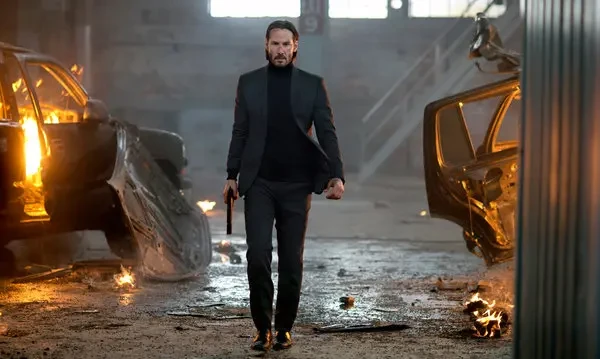
Every parent who grew up loving a good action flick eventually has the same realization. The instinct that made you cheer during a car chase or a big showdown scene doesn’t disappear once you have kids.
It just changes shape. Instead of watching the action, you start building it.
From the Screen to the Living Room Floor
Kids don’t need a fifty-million-dollar budget to stage their own version of a blockbuster. They need space, a few good props, and someone willing to play along.
That’s where a lot of action-loving parents find their second wind. The couch becomes a mountain pass. The hallway becomes a getaway route.
Watching your child recreate a chase scene with total seriousness is one of the more underrated joys of parenting. It’s chaotic. It’s loud. It’s also genuinely creative.
Giving Their Imagination Something to Hold
The best play sessions usually start with a good prop, not a script. A textured, squeezable sensory-friendly toy gives kids something to grip, twist, and fidget with while they narrate their own mini action sequences.
It sounds small, but tactile play like this does a lot of quiet work. It keeps hands busy during the parts of the story that require patience, like waiting for the “bad guy” to make his move.
Parents who’ve tried it notice their kids stay locked into imaginative play longer when there’s something satisfying to touch the whole time.
Building the Set Yourself
Every great action scene needs a set piece. A collapsing bridge. A secret base. A getaway vehicle that definitely shouldn’t be driving that fast indoors.
This is where building toys earn their keep. A good set of Jelly Blox building sets lets kids construct their own version of the scene before they act it out, which turns a five-minute burst of energy into a much longer creative project.
There’s something satisfying about watching a kid spend twenty minutes engineering a ramp, only to immediately test it by launching an action figure off the edge. That’s basically how every real stunt coordinator got started too.
Casting the Right Characters
Every action story needs a cast, and kids take casting decisions surprisingly seriously. The family dog gets promoted to loyal sidekick. A stuffed animal becomes the double agent nobody saw coming.
Half the fun is watching them assign roles with total confidence, then completely rewrite the plot five minutes later because the “villain” decided they wanted to be the hero instead. Nobody signed off on that plot twist, but nobody’s stopping it either.
This kind of open-ended casting is part of what makes homemade action stories so much more flexible than anything on a screen. There’s no script to follow, so the story can bend in whatever direction keeps the energy going.
Parents often find their job shifts from director to producer pretty quickly. You’re not running the scene anymore. You’re just making sure nobody launches a toy truck through the good lamp.
Turning a Rainy Afternoon Into a Full Production
Not every action story needs perfect weather or a big backyard. Some of the best productions happen on a rainy Saturday when everyone’s stuck inside and looking for something to do.
A cleared-off living room, a pile of pillows for cover, and a couple of well-chosen toys is really all it takes to get a full-length production going. The plot usually writes itself once the props hit the floor.
These indoor sessions tend to run longer than anyone expects, too. What starts as a quick fifteen-minute scene has a way of turning into an hour-long saga complete with a dramatic finale and, occasionally, a sequel announced before dinner.
The Nostalgia Factor Parents Don’t Talk About Enough
There’s a specific kind of joy in introducing your kid to the genre that shaped your own childhood. Maybe it was a Saturday afternoon marathon. Maybe it was the movie your older sibling snuck you into.
Passing that down isn’t really about the explosions or the one-liners. It’s about sharing the feeling of being completely swept up in a story.
Letting your kids build and act out their own version of that feeling, using toys instead of a remote control, keeps the spirit alive without needing a screen at all.
Screen-Free Doesn’t Mean Low-Energy
A common misconception is that stepping away from movies means stepping away from excitement. In practice, the opposite tends to happen.
Kids acting out their own action stories often bring more energy to the room than they would sitting still watching one. They’re directing, performing, and problem-solving all at once.
That combination, physical play plus imaginative storytelling, is exactly the kind of activity that keeps young minds engaged far longer than passive screen time does. It also means bedtime negotiations get a lot easier when the “movie” was something they made themselves.
Letting the Story Keep Growing
The best part of this kind of play is that it never really wraps up the way a two-hour film does. There’s always a sequel brewing.
Today’s chase scene becomes tomorrow’s rescue mission. Yesterday’s collapsing bridge gets rebuilt taller and more dramatic. Kids treat their play sets less like toys and more like an ongoing production they get to keep directing.
That’s the real payoff for parents who grew up loving action stories. You’re not just sharing the genre. You’re handing your kids the director’s chair and watching what they build with it.
Next time movie night rolls around, consider setting the toys out beforehand. There’s a good chance the sequel they invent afterward ends up being the better story anyway.
Keep a small rotation of props on hand so the “set” never looks the same twice. New pieces spark new plots, and kids notice the difference immediately.
It doesn’t take much to reset the scene. Sometimes all it takes is one new prop to send the whole story in a direction nobody, including the director, saw coming.