



Table of Contents
- The Evolution of Corporate Gifting in a Remote World
- Moving Beyond the Office Desk
- The Psychological Impact of Tangible Appreciation
- Creating a Unified Culture Across Different Zip Codes
- Strategic Selection of Home Office Essentials
- Sustainability and Quality over Quantity
- Measuring the Return on Investment of Physical Perks
- Onboarding and Employee Lifecycle Milestones
- The Future of Distributed Work Culture
The Evolution of Corporate Gifting in a Remote World
The landscape of professional benefits has undergone a radical transformation over the last few years. Previously, the most coveted perks involved office based amenities such as gourmet coffee stations, onsite gyms, or catered Friday lunches. However, as the global workforce shifted toward hybrid and remote models, these traditional incentives lost their luster. The modern professional now values flexibility and comfort within their personal environment just as much as their salary.
This shift has given rise to a new category of employee engagement known as at home merchandise. Instead of investing in real estate and office furniture, forward thinking companies are redirecting their budgets toward high quality physical goods that enhance the daily lives of their staff. This is not merely about sending a branded pen or a cheap plastic water bottle. It is about curated, thoughtful items that bridge the gap between a corporate identity and a domestic setting.
When companies partner with experts like Totally Branded to source these items, they are signaling a commitment to the employee experience that transcends the four walls of an office building. The goal is to create a sense of belonging and professional pride, even when the nearest colleague is hundreds of miles away.
Moving Beyond the Office Desk
The concept of at home merchandise has expanded far beyond basic stationery. Today, it encompasses everything from ergonomic accessories to lifestyle products that support mental well being and work life balance. Companies are now looking at the entire daily routine of their employees to find touchpoints where a physical gift can provide value.
- Morning rituals including high quality ceramic mugs or French press coffee makers.
- Wellness focused items such as yoga mats, weighted blankets, or essential oil diffusers.
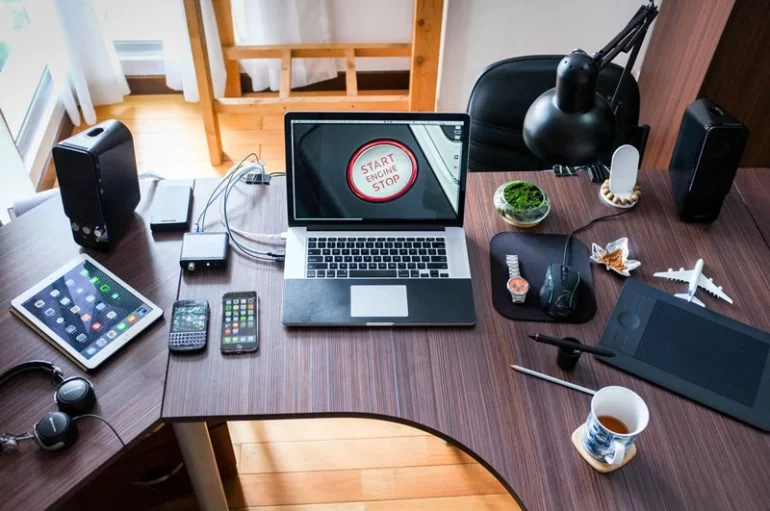
- Tech enhancements like noise cancelling headphones, ring lights for video calls, and leather desk mats.
- Apparel that balances comfort with professional aesthetics, such as premium hoodies or soft touch quarter zips.
By providing these items, an employer is effectively upgrading the employee’s living space. This creates a positive association between the brand and the comfort of the home. It is a strategic move that acknowledges the reality of the modern workplace, where the boundary between professional and personal space is increasingly fluid.
The Psychological Impact of Tangible Appreciation
There is a significant psychological difference between receiving a digital gift card and a physical package in the mail. The tactile experience of unboxing a well crafted item triggers a sense of dopamine and genuine appreciation that digital rewards often fail to replicate. In a world dominated by Zoom calls and Slack notifications, physical objects provide a grounding reality.
When an employee receives a package from Totally Branded, the physical weight and quality of the merchandise serve as a concrete representation of their value to the organization. It acts as a physical anchor for company culture. Every time an employee uses a high quality branded notebook or wears a comfortable company jacket, they are reminded of their professional identity and the community they belong to. This helps combat the feelings of isolation that can sometimes accompany remote work.
Creating a Unified Culture Across Different Zip Codes
One of the greatest challenges for HR leaders today is maintaining a cohesive culture when the team is geographically dispersed. Traditional culture was built through spontaneous water cooler conversations and shared physical spaces. In a remote environment, culture must be intentional and designed.
At home merchandise serves as a unifying thread. When every member of a global team receives the same high quality kit, it creates a shared experience. It provides a visual consistency during video meetings where everyone might be using the same branded mug or wearing the same team apparel. This visual alignment fosters a sense of equality and inclusion, ensuring that remote workers feel just as much a part of the team as those who might visit a physical office.
Strategic Selection of Home Office Essentials
Selecting the right merchandise requires a deep understanding of the workforce’s needs. It is no longer enough to slap a logo on a generic product. The most effective at home perks are those that solve a problem or enhance a specific activity.
- Productivity boosters such as high end planners or ergonomic mouse pads.
- Connection tools like high quality webcams or branded privacy shutters.
- Comfort items including insulated tumblers that keep coffee hot for hours or high quality slippers.
The selection process should focus on utility and longevity. If an item is useful and durable, it remains in the employee’s life for years, providing a constant, positive touchpoint with the employer brand. This is why many organizations are turning to Totally Branded to ensure their selections are both trendy and functional.
Why At Home Merchandise is the New Workplace Perk and the Value of Quality
The phrase Why At Home Merchandise is the New Workplace Perk is becoming a central theme in recruitment and retention strategies. In a competitive talent market, candidates are looking for more than just a paycheck. They are looking for a culture that cares about their holistic well being.
When a company invests in premium Totally Branded merchandise, they are essentially providing a silent benefit that pays dividends in employee loyalty. High quality merchandise suggests a high quality company. If an employer provides cheap, easily broken items, it reflects poorly on their internal standards. Conversely, providing premium goods suggests that the company values excellence in all forms. This strategic investment helps in attracting top tier talent who appreciate the finer details of an employment package.
Sustainability and Quality over Quantity
The modern workforce, particularly Millennial and Gen Z employees, is highly conscious of environmental impact. The era of mindless corporate swag that ends up in a landfill is over. Now, the focus is on sustainability and ethical sourcing.
- Using recycled materials for apparel and bags.
- Opting for long lasting materials like stainless steel, glass, and bamboo.
- Reducing packaging waste through clever design and minimal plastic.
- Partnering with suppliers who maintain transparent and ethical supply chains.
By choosing sustainable at home merchandise, companies demonstrate that their corporate social responsibility values are not just words on a website, but principles that guide their purchasing decisions. This alignment of values between the employer and the employee is a powerful driver of engagement and pride.
Measuring the Return on Investment of Physical Perks
While it might seem difficult to quantify the ROI of a branded hoodie or a desk lamp, the data often shows a clear correlation with employee retention and satisfaction scores. Companies can track the success of these initiatives through several metrics.
- Employee Net Promoter Scores often see a lift following the distribution of high quality kits.
- Social media engagement increases as employees share photos of their unboxing experiences on platforms like LinkedIn.
- Retention rates among remote workers tend to be higher when they feel a physical connection to the brand.
- Recruitment conversion improves when prospective hires see the tangible benefits of joining the team.
Investing in physical goods is often more cost effective than frequent office renovations or expensive in person retreats, while providing a more consistent and daily impact on the employee experience.
Onboarding and Employee Lifecycle Milestones
The first day at a new job is a critical moment in the employee lifecycle. In a remote setting, the lack of a physical welcome can make the experience feel cold and impersonal. A comprehensive onboarding kit delivered to the new hire’s doorstep can change the entire trajectory of their tenure.
Beyond the initial welcome, merchandise can be used to celebrate various milestones.
- Work anniversaries marked by increasingly premium gifts.
- Project completions celebrated with limited edition team gear.
- Personal milestones such as birthdays or new additions to the family.
- Recognition for high performance through exclusive, high value items.
Using Totally Branded to manage these touchpoints ensures that the quality remains consistent and the logistics are handled professionally, allowing HR teams to focus on the human side of the celebration.
The Future of Distributed Work Culture
As we look toward the future, the integration of physical goods into the digital workspace will only become more sophisticated. We may see more personalized merchandise where employees can choose from a curated selection of items that best suit their specific home setup. We might also see more integration between physical items and digital experiences, such as augmented reality triggers on branded packaging.
The fundamental truth remains that humans are physical beings who crave tangible connections. As work continues to migrate into the cloud, the importance of the physical objects that surround us grows. Companies that recognize this and treat at home merchandise as a legitimate and valuable workplace perk will find themselves with a more engaged, loyal, and productive workforce.
The transition from office based perks to home based merchandise is not a temporary trend but a permanent shift in how we define the professional environment. By focusing on quality, utility, and emotional resonance, employers can build a brand that lives and breathes within the homes of their most valuable asset: their people. This approach turns every home office into a satellite of the corporate culture, creating a global community bound together by shared values and high quality experiences.