



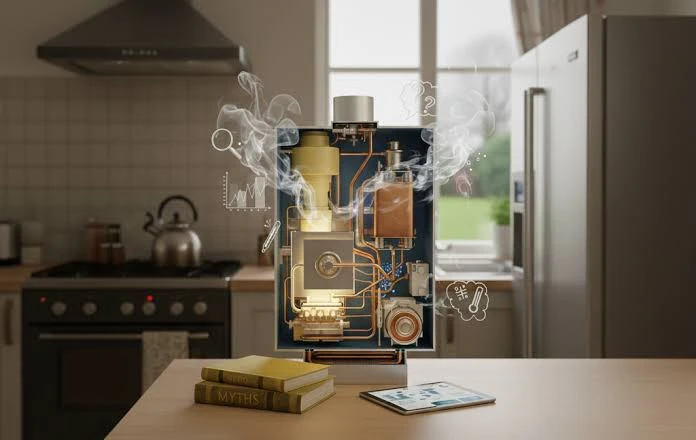
Many homeowners focus on keeping their homes warm during colder months, but few consider how much their boiler contributes to overall household efficiency. A boiler is responsible for supplying both heating and hot water, making it one of the hardest-working systems in any property.
When operating efficiently, a boiler helps maintain comfort while keeping energy consumption under control. However, when efficiency declines, homeowners often experience rising energy bills, inconsistent heating, and increased maintenance costs.
Understanding the factors that affect boiler efficiency can help homeowners make informed decisions about maintenance, repairs, and long-term system care.
What Boiler Efficiency Actually Means
Boiler efficiency refers to how effectively a heating system converts fuel into usable heat. An efficient boiler produces more heat while consuming less energy, resulting in lower operating costs.
Over time, even high-quality systems can lose efficiency due to wear and tear, aging components, and lack of maintenance.
Several factors may contribute to declining performance, including:
- Internal component wear
- Pressure imbalances
- Faulty thermostats
- Dirty system components
- Air trapped within radiators
- Small undetected faults
These issues often develop gradually, making them easy to overlook.
Signs Your Boiler May Be Losing Efficiency
Many homeowners assume their boiler is working correctly simply because it still produces heat. However, reduced efficiency often becomes noticeable through subtle warning signs.
Some common indicators include:
Increasing Energy Bills
A boiler that works harder to produce the same level of heating will consume more energy.
Uneven Heating
Some rooms may feel colder than others, even when the thermostat settings remain unchanged.
Longer Heating Times
The system may take longer to heat water or warm the property.
Frequent Cycling
Boilers that turn on and off more often than normal may be operating inefficiently.
Unusual Noises
Banging, whistling, or gurgling sounds can indicate underlying performance issues.
Recognizing these signs early allows homeowners to arrange professional inspections before larger problems develop.
The Financial Impact of an Inefficient Boiler
Heating systems account for a significant portion of household energy usage. Even a modest drop in boiler efficiency can increase annual heating costs considerably.
Small inefficiencies often go unnoticed because they develop gradually. However, the cumulative impact over months or years can be substantial.
Professional assessments can identify opportunities to improve efficiency and reduce operating expenses.
Why Professional Boiler Inspections Matter
Many property owners rely on OSO Services when they need experienced professionals to evaluate heating system performance and identify potential issues.
Routine inspections provide several important benefits:
- Early fault detection
- Improved energy efficiency
- Enhanced system reliability
- Lower repair costs
- Longer equipment lifespan
Professional engineers can assess components that homeowners cannot easily inspect themselves, helping identify hidden issues before they lead to breakdowns.
How Maintenance Supports Better Performance
Regular servicing plays a critical role in maintaining efficiency throughout a boiler’s lifespan.
Maintenance typically involves:
- Checking pressure levels
- Inspecting internal components
- Testing safety controls
- Cleaning essential parts
- Identifying signs of wear
These procedures help ensure that the system continues operating at optimal performance levels.
Long-Term Benefits of an Efficient Heating System
Investing in boiler efficiency offers advantages beyond lower energy bills.
Homeowners often benefit from:
Improved Comfort
Consistent heating helps maintain stable temperatures throughout the property.
Fewer Breakdowns
Well-maintained systems are less likely to experience unexpected failures.
Extended Lifespan
Reduced strain on components often leads to longer equipment life.
Better Property Appeal
Efficient heating systems can be attractive to future buyers and tenants.
Simple Steps Homeowners Can Take
While professional servicing remains essential, homeowners can also support efficiency by:
- Monitoring boiler pressure
- Bleeding radiators regularly
- Addressing unusual noises promptly
- Scheduling annual servicing
- Watching for leaks or warning signs
These simple actions can help maintain performance between professional visits.
Property owners interested in maximizing heating efficiency can always learn more about maintenance programs and professional support options.
Conclusion
Boiler efficiency affects far more than household comfort. It influences energy consumption, utility costs, system reliability, and long-term ownership expenses.
By paying attention to warning signs, investing in routine maintenance, and seeking professional guidance when needed, homeowners can ensure their heating systems continue operating efficiently for years to come.
A proactive approach to boiler care helps reduce costs, improve comfort, and provide greater confidence in one of the home’s most important systems.