



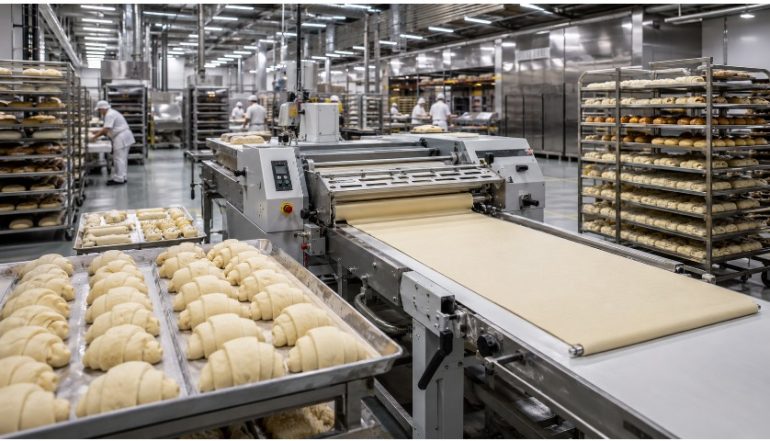
In baking, texture is one of the biggest reasons customers enjoy a product. A pastry should feel light and flaky. A pizza base should have the right balance of softness and crispness. A cookie should bake evenly, and a pie crust should hold its shape without becoming too hard or too soft. All these results depend on many things, but dough thickness is one of the most important factors.
Dough Sheeter helps bakeries control dough thickness more accurately, which can improve the texture and final quality of baked products. When dough is rolled evenly, it bakes more evenly. This gives bakeries better control over softness, crispness, layering, and overall product feel.
Many bakery problems start before the product enters the oven. If the dough is too thick in some areas and too thin in others, the oven cannot bake it evenly. One side may become dry, while another side may stay underbaked. This can affect not only the look of the product but also the eating experience. Customers may not know the technical reason, but they can feel the difference when a product has poor texture.
Why Texture Matters in Bakery Products
Texture is the feeling customers notice when they bite into a bakery item. It can be soft, crispy, flaky, chewy, light, or firm. Different products need different textures. A croissant should not feel like a flatbread. A pizza base should not feel like a biscuit. A cookie should not have one side burnt and the other side soft.
Good texture makes the product enjoyable. It also shows that the bakery understands its process. If the texture is wrong, even good flavor may not be enough to satisfy customers.
For example, a pastry may have rich butter and good filling, but if the dough is rolled unevenly, the layers may not rise properly. A pizza may have fresh toppings, but if the base is too thick in the center, it may feel heavy. A tart shell may taste good, but if one side is too thin, it may break easily.
This is why texture control starts from the dough preparation stage.
The Role of Dough Thickness in Baking
Dough thickness affects how heat moves through the product. Thin dough bakes faster, while thick dough takes more time. If one sheet has different thickness levels, the final product may not bake evenly.
A balanced dough sheet helps the oven do its job properly. Heat can reach the dough more evenly, which improves color, texture, and structure. This is especially important for products that need accurate baking time.
Even thickness helps with:
- Better baking control
- More balanced texture
- Cleaner product shape
- Less risk of underbaking
- Less risk of burning thin areas
- Improved product quality
- More consistent customer experience
When bakeries control thickness, they can also control the final result more confidently.
How Uneven Dough Affects Different Products
Each bakery product reacts differently to uneven dough. Some products may become too hard. Some may lose their shape. Some may not rise properly. These issues can reduce quality and increase waste.
In pastries, uneven dough can damage layering. If one part is too thick, it may not puff correctly. If another part is too thin, it may become dry or break. This can affect both texture and appearance.
In pizza bases, uneven thickness can create baking problems. The edges may become crispy while the center stays heavy. Customers usually want a balanced base that supports toppings and still feels pleasant to eat.
In cookies, uneven dough can cause some pieces to bake faster than others. Thin parts may become too brown, while thick parts may stay soft. This makes the batch less consistent.
In pie crusts and tart shells, thickness matters for strength and bite. If the crust is too thin, it may crack. If it is too thick, it may feel heavy.
Better Control for Layered Bakery Items
Layered bakery items need special care. Products like puff pastry, croissants, and similar baked goods depend on thin and even layers. These layers help create the light and flaky texture customers expect.
If dough is rolled by hand without proper control, the layers may not stay even. Some parts may become compressed, while others may remain too thick. This can stop the product from rising correctly.
In the middle of this careful preparation process, using a reliable Dough Sheeter can help bakers roll dough more evenly and protect the structure of layered products. This is useful for bakeries that want to improve pastry quality and keep the texture more consistent.
Layered items often require patience and accuracy. Better rolling control supports both.
Improving Softness and Crispness
Different bakery products need different levels of softness and crispness. A flatbread may need to stay soft and flexible. A pizza crust may need a crisp outside with a soft inside. A cookie may need a balanced bite. Dough thickness plays an important role in all these results.
When dough is rolled too thin, the product may become too crispy or dry. When it is too thick, it may become heavy or underbaked. A controlled thickness helps bakers create the right texture for each product.
This is especially helpful for bakeries that prepare multiple items every day. Workers can adjust thickness based on the product instead of guessing by hand. This makes production more reliable and helps maintain quality.
Reducing Texture Complaints from Customers
Customers may complain if a product feels dry, hard, raw, heavy, or uneven. These complaints are often connected to preparation issues. If the dough is not prepared correctly, the final texture may not meet customer expectations.
A bakery that controls dough thickness can reduce these problems. Products are more likely to bake evenly and have the same texture from batch to batch.
This helps protect customer trust. When customers enjoy the same texture every time, they feel more confident buying again. Repeat customers are very important for any bakery, so maintaining texture quality can support business growth.
Helping Bakers Follow Recipe Standards
Good recipes usually depend on correct preparation. A recipe may give the right ingredients and baking time, but if the dough thickness is wrong, the result can still fail. This is why bakers need tools that help them follow recipe standards more accurately.
For example, if a cookie recipe needs dough rolled to a certain thickness, the result will change if the dough is too thin or too thick. The same is true for pastries, pies, and pizza bases.
Using a more controlled rolling process helps bakeries repeat the same recipe results. It also makes it easier to train workers because they can follow clear thickness requirements instead of relying only on visual judgment.
Saving Time During Texture Adjustments
When dough is rolled manually, bakers may need to check and adjust it many times. They may roll one side more, turn the dough, add flour, check thickness, and repeat the process. This takes time and can still result in uneven sheets.
A controlled rolling machine can reduce this extra work. It helps prepare dough sheets faster and with more accuracy. Workers can spend less time fixing thickness and more time focusing on shaping, filling, baking, and finishing.
This is helpful during busy production hours when every minute matters.
Supporting a Wider Product Menu
Many bakeries want to offer different products to attract more customers. But a wider menu also means more dough types and more thickness requirements. Without proper control, this can become difficult.
Better dough thickness control helps bakeries manage different products with more confidence. They can prepare thin pastry sheets, medium cookie sheets, thicker pizza bases, and balanced pie crusts using a more organized process.
This flexibility supports menu growth without creating too much pressure on the team.
What Bakeries Should Consider
Before choosing bakery equipment, it is important to think about the products being made and the texture goals of the business. A bakery that focuses on pastries may need very accurate thickness control. A pizza shop may need stronger support for regular base preparation. A commercial bakery may need equipment that can handle larger volumes.
Important points include:
- Required dough thickness range
- Type of dough used daily
- Product texture goals
- Available kitchen space
- Ease of operation
- Cleaning and maintenance needs
- Worker safety
- Long-term production plans
Choosing the right equipment helps bakeries improve not only speed but also final product quality.
Final Thoughts
Texture is a key part of bakery success. Customers may first notice the look of a product, but they remember how it feels when they eat it. A good texture can make a product more enjoyable and encourage customers to return.
Controlling dough thickness helps bakeries improve baking results, reduce product mistakes, and maintain better texture across different items. Whether the goal is flaky pastry, soft flatbread, crispy pizza crust, or balanced cookies, better dough preparation can make a clear difference.
For bakeries that want to improve texture, consistency, and overall product quality, professional bakery equipment can be a smart step. Businesses looking for reliable machinery support can explore solutions from mirabake.com.