



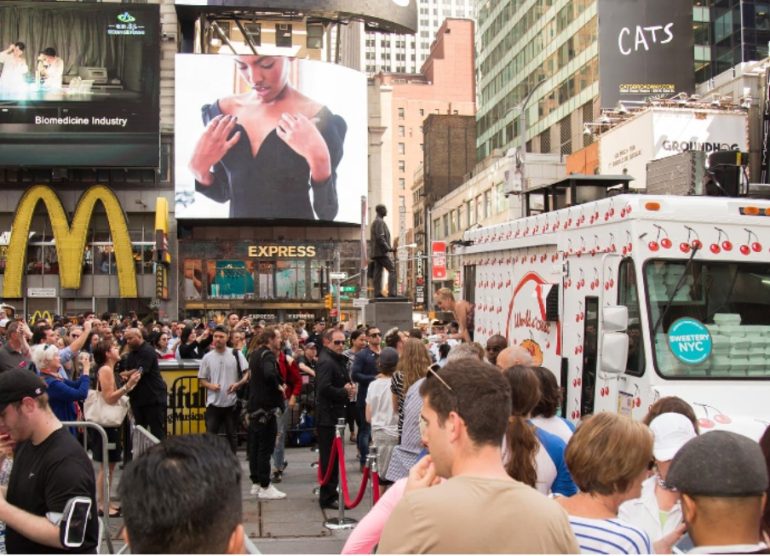
The most effective marketing happening right now is not being planned in boardrooms. It is being built on city streets, in pop-up tents, and around branded food trucks where real consumers are tasting, touching, and talking. The shift toward co-creation has changed the equation for brand marketers, and the brands keeping up are not doing it alone. They are partnering with an experiential marketing company that knows how to build the conditions for genuine consumer participation.
Co-creation is not a trend. It is a change in how brand loyalty is earned. Consumers no longer want to be marketed at. They want to be invited in. That invitation requires physical space, trained people, a sensory environment, and flawless logistics. Most brand marketing teams are not built to execute at that level. That is exactly where a specialized experiential marketing agency earns its place.
The Complexity Behind “Simple” Activations
What looks effortless to a consumer standing in line at a branded sampling event is the result of weeks of permitting, fabrication, staffing, and contingency planning. A single-day activation in a major metro can require permits across multiple municipal agencies, a custom-built vehicle or structure, a trained ambassador team, and a real-time operations lead managing weather, crowds, and logistics simultaneously. Brands that underestimate this complexity pay for it in execution failures that go directly onto social media.
An experienced experiential marketing agency brings permitting knowledge, fabrication relationships, and staffing infrastructure that takes years to build. That institutional knowledge is what separates a polished activation from a costly misfire.
Co-Creation Demands More Than a Moment
The most effective brand activations in 2026 are not one-off stunts. They are designed to generate content, conversation, and community that extends well beyond the day of the event. Co-creation means the consumer becomes a participant in the brand story. They photograph it, share it, and return for it.
Building that kind of experience requires intentional design at every touchpoint: the visual environment, the product interaction, the ambassador dialogue, the takeaway. None of that happens by accident. It is engineered by teams who have executed dozens of activations and understand what drives consumer behavior in physical space.
The Right Partner Handles What Goes Wrong
Every activation faces adversity. Rain, permit delays, crowd surges, vendor no-shows. What separates a true full-service experiential marketing company from a piecemeal vendor is what happens when the plan meets reality. Strong partners have contingency staffing, backup equipment, and real-time decision-making protocols. They solve problems before the brand ever knows there was one.
This is the operational depth that co-creation requires. When a consumer steps into a branded environment, they have no tolerance for dysfunction. The experience either delivers or it does not. The brands that consistently deliver have a partner behind the scenes making sure the experience holds.
Data Turns Experiences Into Strategy
Co-creation is most valuable when it generates insight, not just impressions. A skilled experiential marketing agency builds data collection into the activation itself: opt-ins, surveys, sampling feedback, foot traffic counts, social monitoring. That data closes the loop between the live experience and the broader marketing strategy.
Brands that treat experiential as a one-time awareness play leave significant value on the table. When an activation is designed to collect and analyze consumer response in real time, it becomes a testing ground for messaging, product positioning, and audience segmentation.
What Brands Actually Need
The age of co-creation rewards brands that show up physically, consistently, and with intention. That level of presence requires a partner with the infrastructure to execute across markets, the creative capability to design experiences worth participating in, and the operational discipline to deliver on both.
Working with the right experiential marketing agency is not a production decision. It is a strategic one. The brands building real consumer communities in 2026 are not doing it through impressions. They are doing it through experiences, and they have the right team making those experiences possible.