



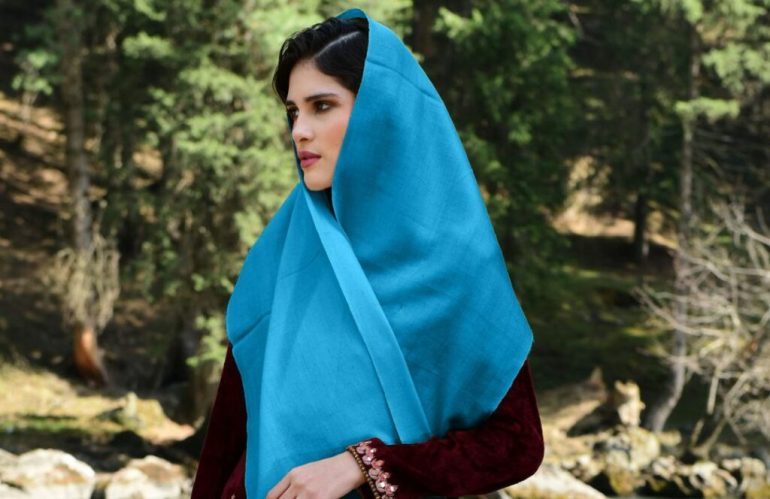
Wardrobes evolve over time. The dress that felt essential one year can feel impractical the next. Shoes wear out, coats develop a dated silhouette, and favourite shirts slowly lose their crispness. Yet among the pieces that tend to stay, season after season, a well-chosen cashmere scarf almost always earns its place. Few accessories deliver so much warmth, versatility, and quiet elegance with so little visual effort. Understanding why this single piece endures can help explain the broader appeal of cashmere as a category and why retailers and consumers alike keep returning to it.
The first reason is purely physical. Cashmere fibres are extraordinarily fine, often measuring around 14 to 19 microns in diameter, compared with around 25 to 30 for typical wool. This fineness means the fibre feels silky against the skin rather than scratchy. It also means cashmere traps air efficiently, which is why a relatively thin scarf can feel meaningfully warmer than a thicker wool one. For travellers who need a packable layer, for commuters who move between cold streets and heated offices, and for anyone who is sensitive to rough textures, this is a quiet revelation. Cashmere manages to be both lightweight and deeply warm, which very few materials achieve.
The second reason is longevity. Cared for properly, a good cashmere scarf can last decades. Many families pass scarves down across generations, and the piece that once belonged to a grandmother can still feel soft and structurally sound in a grandchild’s hands. This is partly because premium cashmere is spun from the longer, finer fibres that resist pilling and breakage, and partly because wool-family fibres have natural elasticity that helps them recover shape after compression and washing. Compared with synthetic alternatives, which can thin and deform over time, cashmere ages gracefully.
The third reason is versatility. A simple solid-colour scarf in neutral tones can be layered over a casual sweatshirt during a weekend walk, draped over a tailored coat at work, or folded as a wrap on a cool summer evening. It can be worn long and loose, looped tightly against the neck, or tied in a variety of traditional knots. Printed or patterned styles add expressive range without requiring a change in garment. This versatility means a single scarf often travels further in a wardrobe than many other items, and consumers tend to use their best pieces far more than they initially expect.
The fourth reason is symbolic. Scarves have always carried meaning. They evoke journeys, long walks, colder seasons, and the comfort of coming home. Giving a cashmere scarf as a gift communicates thoughtfulness in a way that generic accessories cannot. Brands understand this and frequently build their gifting campaigns around scarves for this reason. The packaging of a scarf, the unfolding of it, and the first handfeel have a quiet ceremony that customers remember.
From a business perspective, these qualities translate into sound retail economics. Scarves have high perceived value and reasonable storage and shipping footprints. They sell across seasons if the assortment is thoughtful: heavier weaves for winter, lighter knits or open wovens for transitional weather, and printed silks blended with cashmere for spring. Unit economics tend to be favourable because a well-chosen scarf commands strong margins while rarely requiring the fit adjustments that plague apparel categories. Returns, consequently, are usually low.
For buyers sourcing new collections, there are several attributes that distinguish truly exceptional scarves from adequate ones. Fibre grade matters enormously. Grade A cashmere uses the longest and finest fibres from the goat’s undercoat, and the resulting yarn produces scarves that feel conspicuously softer even in the first seconds of handling. Ply count matters too: two-ply yarn offers a balance of lightness and durability, while four-ply yarn provides extra warmth for winter weights. Weave choice influences drape; open, airy weaves fall softly, while denser herringbones hold their shape. Finishing is the last major variable, raised surfaces produce a cloud-like handfeel, while sleek surfaces emphasise colour clarity and weave pattern.
Colour and print development deserve special attention. A cashmere scarf is often the most colour-forward piece in an outfit, which means palette choices have outsized influence on sell-through. Seasonal neutrals such as oatmeal, charcoal, camel, and navy generally perform reliably, while a single fashion colour each season can create energy in the assortment and give the brand a point of view. Printed styles allow for storytelling and artistic collaboration, but they also introduce development complexity, so they are best approached with a manufacturer experienced in multi-step printing.
For brands building gift programmes or travel retail collections, luxury cashmere scarves consistently outperform many other accessories. They photograph beautifully, explain themselves quickly to customers, and reward the buyer long after the purchase. They appeal to a broad demographic, cross gender lines easily, and suit giftable price ranges from attainable luxury to premium.
The broader takeaway is that cashmere scarves endure because they resolve several needs at once. They warm, they flatter, they travel, they last, and they tell a small story each time they are chosen. For anyone investing in a wardrobe or curating one for customers, they remain among the most quietly powerful options on the market. The soft answer, in many cases, is the right one.