



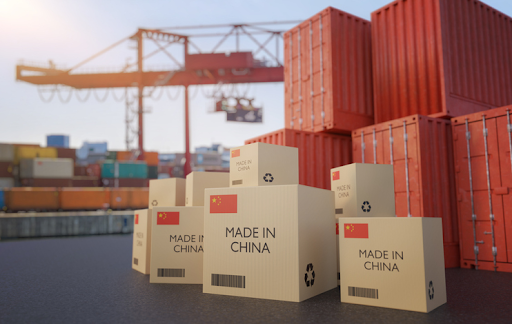
Global manufacturing has opened new opportunities for businesses to access competitive production capabilities, scale operations, and serve customers across international markets. However, sourcing products from overseas suppliers also introduces challenges that can affect product quality, customer satisfaction, and brand reputation.
One of the most effective ways to reduce these risks is through quality control. Businesses that implement strong quality management processes are better positioned to maintain consistency, prevent defects, and build long-term customer trust.
Whether a company imports consumer goods, industrial equipment, electronics, or private-label products, quality control remains one of the most important factors influencing business success.
Understanding Quality Control
Quality control refers to the procedures used to ensure products meet predetermined standards before reaching customers.
The objective is simple:
- Identify defects
- Prevent production errors
- Maintain consistency
- Protect customer satisfaction
Rather than reacting to problems after products have been delivered, quality control focuses on identifying issues early in the manufacturing process.
Why Product Quality Matters
Product quality directly influences how customers perceive a business.
Poor-quality products often result in:
- Customer complaints
- Product returns
- Negative reviews
- Brand damage
- Financial losses
In highly competitive markets, even small quality issues can affect long-term growth.
Businesses that consistently deliver reliable products often enjoy stronger customer loyalty and higher retention rates.
Common Manufacturing Quality Issues
Manufacturing defects can occur for many reasons.
Examples include:
Material Substitutions
Factories may use materials that differ from approved specifications.
Production Errors
Equipment problems or inadequate training can create defects during manufacturing.
Packaging Problems
Poor packaging increases the risk of damage during transportation.
Inconsistent Production Standards
Without proper oversight, quality may vary from one production batch to another.
Quality control systems help identify and address these issues before products are shipped.
The Financial Impact of Poor Quality
Many businesses view inspections and quality control procedures as additional expenses.
In reality, poor quality often costs significantly more.
Potential costs include:
- Product replacements
- Refunds
- Shipping losses
- Customer support expenses
- Lost sales opportunities
Investing in prevention is often far more cost-effective than resolving quality issues later.
Quality Control Throughout Production
Effective quality management does not occur at a single stage.
Instead, quality should be monitored throughout the manufacturing process.
Pre-Production Checks
Before manufacturing begins, businesses should verify:
- Product specifications
- Raw materials
- Production requirements
During Production Inspections
Monitoring products during manufacturing helps identify issues before entire production runs are affected.
Pre-Shipment Inspections
Finished products should be evaluated before leaving the factory.
This final review helps ensure quality standards have been met.
The Connection Between Supplier Selection and Quality
Quality control begins long before production starts.
Choosing reliable suppliers is one of the most important decisions businesses make.
This is why supplier verification plays such a critical role in successful sourcing.
Evaluating supplier capabilities, quality systems, and production capacity helps businesses identify manufacturing partners capable of meeting expectations consistently.
Building Strong Supplier Relationships
Manufacturing quality often improves when buyers and suppliers work collaboratively.
Strong supplier relationships encourage:
- Better communication
- Faster issue resolution
- Greater accountability
- Continuous improvement
Businesses that treat suppliers as long-term partners often achieve better results than those focused solely on pricing.
The Role of Product Sourcing Professionals
Managing international manufacturing can be complex, especially for businesses sourcing products from overseas markets.
Many companies use professional product sourcing services to support:
- Supplier evaluation
- Quality inspections
- Factory audits
- Production monitoring
- Supply chain management
This additional oversight helps reduce risk and improve manufacturing outcomes.
Quality Control and Brand Reputation
A company’s reputation is built on customer experiences.
Consistently delivering high-quality products helps businesses:
- Increase customer trust
- Strengthen brand loyalty
- Generate positive reviews
- Improve customer retention
Quality control is therefore not only an operational process but also a critical component of brand management.
Long-Term Benefits of Quality Management
Businesses that prioritize quality often experience:
- Lower defect rates
- Reduced returns
- Improved customer satisfaction
- Higher profitability
- Greater operational efficiency
These benefits compound over time and contribute directly to sustainable growth.
Conclusion
Quality control is one of the most important investments businesses can make when working with manufacturers. By identifying problems early, maintaining production standards, and selecting reliable suppliers, companies can protect both their customers and their reputation.
In an increasingly competitive global marketplace, quality is often the factor that separates successful brands from those that struggle. Businesses that prioritize quality control today are better positioned to achieve long-term growth and maintain strong customer relationships tomorrow.