



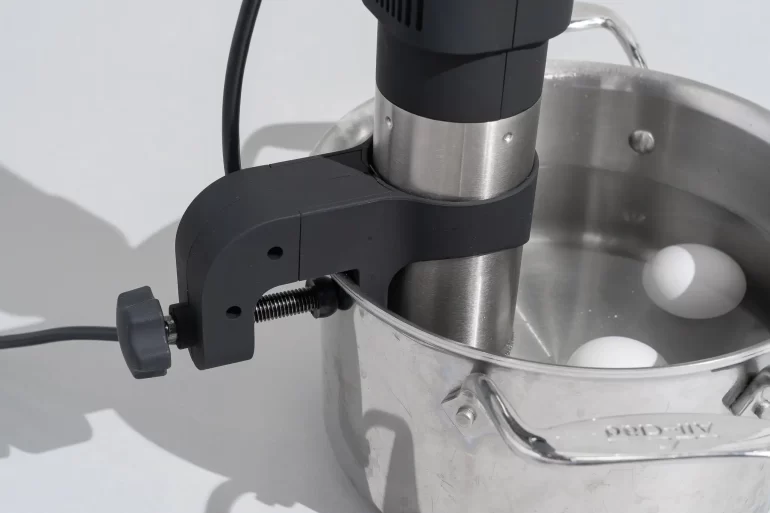
The ready meal market continues to grow as consumers seek convenient food options that deliver both quality and consistency. However, manufacturers face increasing pressure to produce meals that offer great taste, extended shelf life, and reliable food safety standards while maintaining efficient production processes. To meet these demands, many businesses are investing in sous vide equipment. By combining vacuum-sealed packaging with precise temperature control, sous vide processing helps manufacturers improve product quality while achieving greater consistency across large production volumes.
The Growing Demand for High-Quality Ready Meals
Consumer expectations have evolved beyond simple convenience. Today’s shoppers expect ready meals to offer restaurant-quality flavour, appealing texture, and consistent results every time they purchase a product. At the same time, retailers and food service providers require manufacturers to maintain strict quality standards while supplying products efficiently across large distribution networks. This has increased demand for production methods that can deliver both quality and scalability.
Why Sous Vide Equipment Is Gaining Popularity in Ready Meal Production
Sous vide is a cooking method that involves vacuum-sealing food before cooking it at carefully controlled temperatures for a specific period. Unlike conventional cooking methods that rely on high heat, sous vide processing uses precise thermal control to cook food evenly throughout.
In industrial environments, sous vide equipment enables manufacturers to apply this process at scale while maintaining consistent cooking conditions across every batch. This ability to deliver repeatable results has made the technology increasingly popular within ready meal production.
Delivering Consistent Product Quality at Scale
Consistency is one of the most important requirements in ready meal manufacturing. Consumers expect every meal to deliver the same taste, texture, and appearance regardless of when or where it was produced.
Traditional cooking methods can introduce variations that affect product quality, particularly when producing large volumes of food. Sous vide processing helps eliminate this challenge by maintaining precise temperatures throughout the cooking cycle, allowing manufacturers to achieve reliable and repeatable results across every production run.
Improving Texture, Flavour and Yield
One of the key reasons manufacturers adopt sous vide equipment is its ability to preserve product quality during cooking.
Because ingredients are sealed before cooking, moisture and natural flavours remain within the packaging throughout the process. This helps minimise cooking losses while supporting superior texture and flavour.
Key benefits include:
- Improved tenderness in meat and poultry products
- Better moisture retention
- Enhanced flavour development
- Consistent texture throughout the product
- Reduced cooking shrinkage
These advantages help manufacturers create premium ready meals while maximising product yield.
Supporting Longer Shelf Life Requirements
Shelf life is a critical consideration for ready meal manufacturers operating within modern supply chains. Products often require transportation, storage, and retail display time before reaching consumers.
The combination of vacuum packaging and controlled thermal processing helps maintain product quality and supports shelf-life objectives. Longer shelf life can help reduce food waste, improve stock management, and provide greater flexibility throughout the distribution process.
Helping Manufacturers Meet Food Safety Standards
Food safety remains a top priority across the food manufacturing industry. Producers must ensure every product meets strict regulatory requirements while maintaining consistent quality standards.
The precise control provided by sous vide equipment supports validated cooking processes and helps manufacturers achieve reliable thermal treatment outcomes. When incorporated into HACCP programmes and wider food safety procedures, sous vide processing can help maintain product safety and consistency across production operations.
Increasing Production Efficiency
As demand for ready meals continues to grow, manufacturers require production methods that can scale efficiently without compromising quality.
Modern sous vide systems allow large quantities of food to be processed under tightly controlled conditions, helping to improve workflow efficiency and reduce manual intervention. This enables businesses to increase production capacity while maintaining high standards across every batch.
Enabling Product Innovation and Premium Meal Development
Consumer preferences continue to evolve, creating opportunities for manufacturers to develop new flavours and premium meal offerings.
Sous vide processing allows ingredients to be cooked in marinades, sauces, or their own natural juices, providing greater flexibility during product development. This enables manufacturers to create distinctive products while maintaining the consistency required for large-scale production.
Why Sous Vide Equipment Is Becoming a Strategic Investment
For many manufacturers, investing in sous vide equipment is no longer simply an operational decision; it is a strategic investment in quality, efficiency, and future growth.
The technology helps address many of the challenges associated with ready meal production, including consistency, shelf life, food safety, and scalability. As consumer expectations continue to rise, businesses are increasingly adopting sous vide processing to strengthen their competitive position and support long-term success.
Conclusion
The ready meal industry continues to evolve as consumers demand greater convenience without sacrificing quality. Manufacturers must balance product consistency, food safety, operational efficiency, and innovation while meeting growing production requirements.
As a result, more businesses are adopting sous vide equipment to support their manufacturing operations. Its ability to deliver precise cooking control, improve product quality, enhance shelf life, and increase production efficiency makes it a valuable solution for modern ready meal production.