



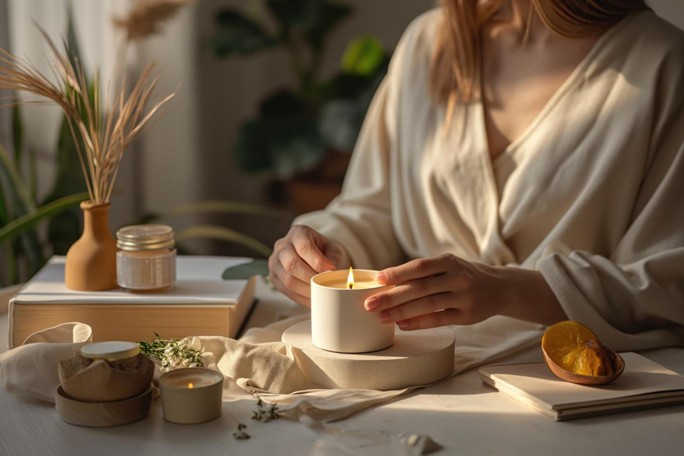
Stress is no longer something that shows up occasionally at the end of a long week. For many people, it has woven itself into ordinary routines, reshaping how they sleep, how they focus, and how they move through their days. As this pressure intensifies, simple self-care rituals have become more than pleasant extras; they have become essential tools for staying grounded. It’s why so many people now turn to comforting practices such as the soothing techniques shared by Flewd, which offer a moment of relief in an otherwise overstimulated world. Small rituals provide a sense of steadiness, and in a culture defined by speed, even a few minutes of mindful care can change the tone of an entire day.
Why Everyday Stress Feels Bigger Than Before
Modern stress is layered. Workloads, digital fatigue, social pressures, financial concerns, and constant connectivity all shape daily emotional health in ways previous generations never faced. Many people move through their routines without a genuine pause, often juggling obligations long after the workday ends. With this nonstop pace, the nervous system rarely settles into rest, and even small setbacks feel amplified.
Researchers have observed that chronic stress affects the body in both physical and cognitive ways, influencing everything from attention span to sleep quality. The American Psychological Association continues to highlight how prolonged, unaddressed stress contributes to mood changes, weakened immune responses, and difficulty regulating emotions. Against this backdrop, traditional approaches to unwinding are no longer enough. People need rituals that create intentional breaks, small acts that allow their bodies and minds to recalibrate.
Self-Care Rituals Bring the Body Back Into the Conversation
One of the reasons simple rituals matter so much is that they ask people to slow down and reconnect with their physical state. Stress often operates invisibly, especially when someone moves quickly from one task to the next. Personal rituals create space to notice the tension in shoulders, the racing thoughts that follow a stressful meeting, or the fatigue that accumulates after a long day.
A warm bath, a cup of slow-brewed tea, a short stretching session, or a moment of deep breathing each serves as an interruption to the stress loop. These rituals signal to the body that it is safe enough to soften. They create small windows where heart rate slows, muscles loosen, and thought patterns shift away from urgency. Over time, these moments help retrain the nervous system to find calm more easily.
Rituals Offer Predictability When Life Feels Unpredictable
Routines bring structure, and structure brings comfort. In a world where unexpected demands often interrupt personal time, a daily ritual becomes an anchor. Knowing that there will be a few minutes carved out at the beginning or end of a day provides a sense of stability and reassurance.
Predictable rituals work because the brain responds well to repeated cues. A familiar scent, a quiet corner, running water, or a practiced breathing pattern all become signals that it is time to unwind. These associations grow stronger with repetition, making relaxation easier to access. Even when external stressors remain, the ritual becomes a dependable pause that separates one emotional state from another.
Small Rituals Strengthen Emotional Resilience
Emotional resilience doesn’t come only from big lifestyle changes; it grows from consistent, manageable habits. When people regularly invest even a few minutes in restorative practices, they give themselves the capacity to handle challenges with clearer thinking and steadier emotions.
These rituals do not erase stress, but they act as buffers. A few mindful minutes can create enough distance for someone to respond thoughtfully rather than react impulsively. Over time, this creates a healthier relationship with stress, allowing individuals to navigate difficulties without becoming overwhelmed. This is especially important in an era where stressors are continuous rather than episodic.
The Sensory Side of Self-Care Matters
One of the reasons rituals such as warm baths, gentle skincare routines, soft lighting, and calming scents have regained popularity is that they engage the senses in a soothing way. Humans regulate their emotions through sensory input, and the sensory environment around a ritual can have a powerful impact.
A warm soak relaxes muscles and slows breathing. Natural scents evoke comfort or clarity. Soft textures ease physical tension. Even simple motions, like stirring warm water or applying a soothing cream, encourage mindfulness. Engaging the senses this way helps shift attention away from mental strain and into the present moment, which is crucial for stress reduction.
Rituals Remind People to Prioritize Themselves

When daily responsibilities stack up, personal care is often the first thing people sacrifice. Simple rituals help reverse that pattern by reminding individuals that they deserve moments of ease. These practices don’t require elaborate planning or significant time; they simply ask for intention.
People who treat self-care as a non-negotiable part of their day often notice improvements in mood, patience, and energy. They also begin to reframe self-care not as selfish indulgence but as necessary maintenance, just as important as brushing their teeth, staying hydrated, or getting sleep.
Community Conversations Around Wellness Are Evolving
More people today openly discuss stress, burnout, and the need for emotional support. This shift has allowed self-care rituals to move from the periphery into mainstream practice. Workplaces encourage breaks, wellness platforms promote accessible routines, and healthcare professionals emphasize the importance of regulating stress through daily habits.
As the conversation expands, so does understanding. People now recognize that self-care is not a one-time reset but an ongoing relationship with themselves. The more consistent the rituals, the more powerful their effect.
Small Rituals Create Space for Reflection
Stress often compresses time, making people rush through their days with little opportunity to process what they feel. A simple ritual offers a pocket of reflection, a moment to acknowledge frustration, gratitude, or fatigue before diving back into responsibilities. This reflective pause helps individuals move through emotions rather than accumulate them.
Reflection also supports decision-making. When the mind isn’t running on the momentum of stress, choices become clearer. People begin to respond based on intention rather than pressure.
Self-Care Rituals Will Continue to Shape Wellness Culture
As modern life becomes more demanding, rituals that once felt optional now feel essential. People are rediscovering the value of slowing down, grounding themselves, and reconnecting with simple comforts. These habits help counterbalance the intensity of daily life and support long-term emotional well-being.
The future of wellness is not defined by complexity but by consistency. It’s built on everyday choices that remind individuals to take care of themselves, even when life moves quickly. In a world shaped by constant stress, simple rituals have become powerful acts of resilience.