



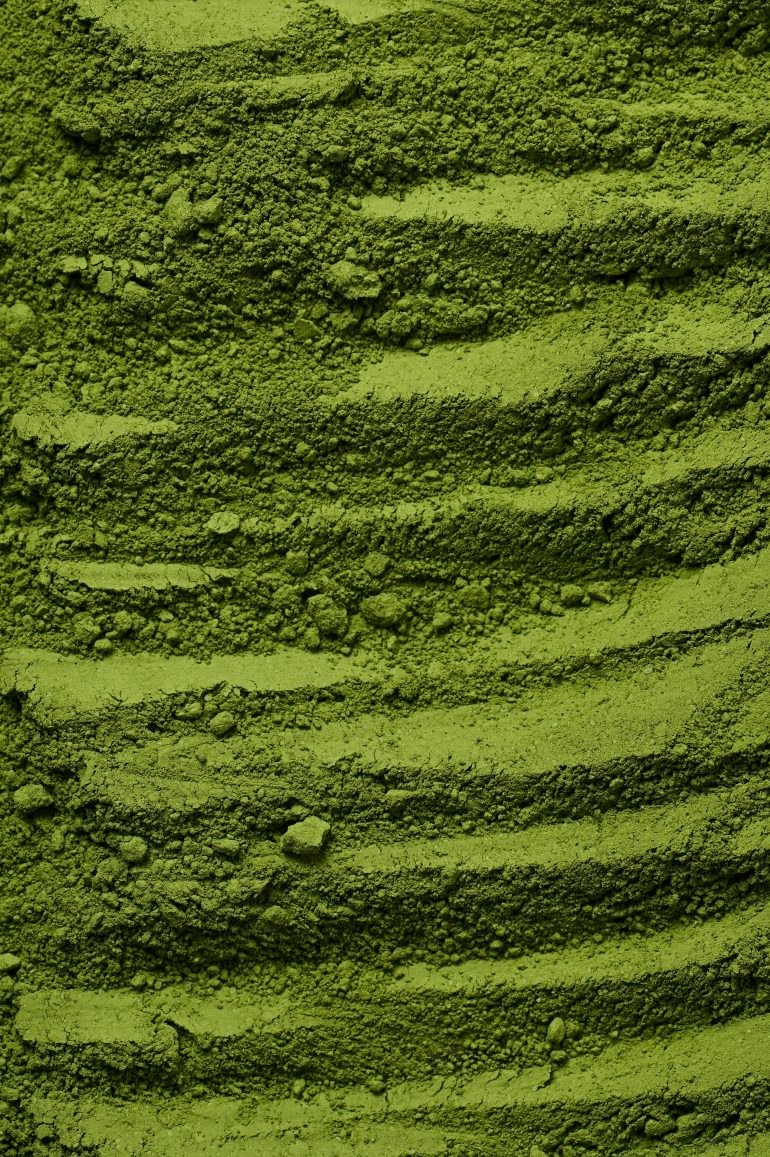
If you’re in the business of sourcing natural hair color or botanical beauty products, you already know how crowded the supply side has gotten. Every second supplier claims to be “organic,” “pure,” and “export-ready.” But when your brand’s reputation is on the line — and your buyers are reading ingredient labels—the manufacturer behind your product matters more than any packaging claim you’ll ever make.
That’s exactly why serious brands and bulk traders globally are going straight to henna powder manufacturers in India — particularly from the Sojat belt of Rajasthan, where the crop, the expertise, and the supply chain have been built over generations.
Kirpal Export Overseas has been part of that story for decades. Based in Sojat, Pali District — the recognized henna capital of the world — they supply wholesale henna powder and herbal hair color products to over 90 countries, consistently, at scale, and under private labels that buyers are proud to put their name on.
This article breaks down what makes Indian henna manufacturers a strategic sourcing choice, what to look for before you commit to a supplier, and why the right partner can become one of your business’s most quietly powerful assets.
The Real Reason India Dominates Global Henna Supply
Let’s talk geography first, because it actually matters here.
Rajasthan — specifically the Sojat region — accounts for roughly 80% of global henna production. The semi-arid climate, the soil mineral profile, and the altitude combine to produce Lawsonia inermis with a consistently high dye content (measured in lawsone percentage). No other growing region in the world reliably replicates these conditions at commercial scale.
This isn’t marketing language. It’s why cosmetic formulators in Germany, salon brands in the UK, herbal product companies in the US, and beauty retailers across Southeast Asia and the Middle East consistently trace their sourcing back to this narrow geography.
When you buy from a henna powder manufacturer in India with roots in Sojat, you’re not just buying a commodity. You’re buying a specific agricultural output with a traceable origin — something that increasingly matters to your end consumers.
What “Wholesale Henna Powder” Actually Looks Like at Scale
A lot of traders assume bulk henna is basically the same everywhere. It isn’t.
Dye content varies between 1.2% and over 3.5% lawsone depending on:
- Harvest timing (early vs. late season)
- Processing method (triple-sifted vs. standard mill)
- Moisture levels during storage
- Whether the material has been blended or adulterated
When you buy wholesale henna powder from a serious manufacturer, you should be receiving a product with documented dye content per batch, consistent mesh size (commonly 200 mesh or 300 mesh), and moisture below 10% for export stability.
Kirpal Export Overseas, for instance, runs processing through triple-sifted filtration and maintains full batch documentation for international shipments — which matters when your buyers are regulated markets like the EU, UK, or GCC countries that require cosmetic compliance documentation.
Why Private Label Buyers Choose a Dedicated Henna Powder Manufacturer
If you’re building a brand — whether it’s a salon chain, an ethnic beauty label, a D2C hair care line, or a wellness product range — going private label with a specialist manufacturer gives you a structural advantage over sourcing from general traders.
Here’s why it plays out that way in practice:
You get formulation support, not just product. A manufacturer like Kirpal Export Overseas works regularly with brands adapting henna to different market requirements — adding amla, brahmi, indigo, shikakai, or other botanicals for specific product claims. That kind of formulation flexibility doesn’t exist when you’re buying pre-blended powder from a middleman.
Your documentation is cleaner. Certificates of Analysis, MSDS sheets, phytosanitary certificates, halal or organic certification documentation — all of this is easier to produce and track when you’re buying directly from the original manufacturer. For brands importing into regulated markets, this isn’t optional.
Pricing holds better over time. Direct manufacturer relationships insulate you from the layered markups that come with trading house sourcing. When raw material prices move — and they do, seasonally — you have a real conversation about pricing rather than absorbing someone else’s margin buffer.
Custom packaging is a real conversation, not an upsell. Pouches, kraft bags, bulk sacks, private label sachets, glass jars — if you have a packaging vision, a manufacturer can accommodate it at volume. Traders usually can’t, or they subcontract it at a margin.
Herbal Hair Color: The Growth Category Next to Wholesale Henna
If henna powder is your entry point, herbal hair color is the category to watch.
Consumer demand for chemical-free, plant-based hair color has been growing steadily across Europe, North America, and the GCC. The market driver isn’t just preference — it’s increasing sensitivity to PPD (para-phenylenediamine) and resorcinol in conventional hair dyes, combined with a broader shift toward ingredient transparency.
Herbal hair color blends — typically combining henna with indigo, amla, bhringraj, and other botanicals — are the natural answer to that demand. And unlike standard henna, which only produces red-orange tones, properly formulated herbal blends can achieve a range of shades from black to dark brown to auburn.
As a henna powder manufacturer and exporter in India, Kirpal Export Overseas produces both pure henna powder and complete herbal hair color formulations, making them a single-source partner for brands that want to run a full natural hair color range rather than just one SKU.
For B2B traders redistributing to salons and cosmetic stores, stocking both product types under one private label allows for better shelf presence and stronger margin per customer relationship.
How to Evaluate a Henna Powder Manufacturer Before You Commit
The market has noise. Here’s how to cut through it when you’re shortlisting suppliers.
Ask for Certificates of Analysis, not just specifications. A spec sheet is what the supplier claims their product is. A CoA from an independent lab is evidence. Dye content, heavy metal testing, microbial counts — these should be available per batch, not just “on request.”
Check export track record by market. A manufacturer who regularly ships to the EU understands REACH compliance. One who ships to GCC countries understands halal documentation requirements. Global export experience isn’t just a number — it tells you what documentation and compliance hurdles they’ve already solved.
Request a sample batch before committing to volume. Any serious manufacturer will send samples. What you’re evaluating isn’t just color — test the powder texture, smell, mixing behavior, and staining strength on a test substrate. These tactile qualities will be what your customers judge the finished product on.
Ask about minimum order quantities relative to your volumes. MOQs vary widely — from 50kg trial lots to full container minimums. Understanding what stage of growth you’re sourcing for helps you find the right tier.
Understand their processing environment. Is the facility dedicated to henna/herbal products, or do they mix botanical and chemical processing? Cross-contamination risk is real in cosmetic manufacturing, and your buyers may ask.
Kirpal Export Overseas: What Sets Them Apart as a Henna Supplier
Kirpal Export Overseas isn’t a trading company that sources from multiple farms and repackages. They are a dedicated manufacturer and exporter rooted in Sojat, with direct processing operations that cover everything from raw leaf procurement through milling, sifting, quality testing, and export documentation.
Their Indalo brand represents the consumer-facing product line, but the majority of their volume goes out as bulk wholesale henna powder and private label herbal color to international B2B buyers.
A few things that stand out operationally:
The facility handles triple-sifted processing that produces a finer, more consistent powder than standard mill output — a quality difference that shows up in user experience and salon professional feedback.
Export operations across 90+ countries mean the documentation infrastructure is established and tested. Whether you’re importing into Germany, Saudi Arabia, the US, or Australia, they’ve handled the compliance paperwork for that market before.
Custom formulation support is available for buyers who want to develop proprietary herbal hair color blends. This matters most for brands that want to differentiate in competitive markets rather than selling the same generic product everyone else is.
Private label services cover both packaging design support and custom labeling, making it possible to go from sourcing decision to shelf-ready product without managing five different vendors.
The Logistics Side: What International Buyers Should Know
Buying wholesale henna powder across borders involves more moving parts than domestic procurement. Here’s what typically comes into play:
Shipment formats: Most buyers work with 25kg or 50kg craft paper bags inside sea freight containers. For smaller trial or introductory orders, courier shipments of 5–20kg are typical.
Lead times: Depending on order volume and customization, production-to-shipment lead times typically run 2–4 weeks for standard products and 3–6 weeks for custom formulations or private label work.
Phytosanitary certification: Required for plant-based products entering most regulated markets. Established exporters like Kirpal Export Overseas handle this routinely.
Payment terms: FOB Nhava Sheva (Jawaharlal Nehru Port, Mumbai) is standard for Indian henna exporters. Buyers new to Indian sourcing should factor in shipping, insurance, and import duties at their end.
If you’re evaluating total landed cost rather than just supplier price, a manufacturer with efficient export operations — document turnaround, port relationships, packaging integrity — significantly reduces hidden costs that show up after the goods arrive.
What Makes Sojat Henna the Benchmark Standard
It’s worth understanding why “Sojat henna” carries weight in global markets the same way regional origin does in wine or coffee.
The henna grown in the Pali district has higher lawsone content than varieties grown in Pakistan, Sudan, or Yemen — the other significant producing regions. This is measurable and consistent. The processing infrastructure in Sojat has also been refined over decades, with dozens of processing units competing on quality to supply the global market.
When a buyer in Amsterdam or Dubai specifies “Rajasthani henna” or “Sojat henna,” they’re making a quality specification, not just a geographic one. Kirpal Export Overseas, as a Sojat-based henna powder manufacturer and exporter in India, can supply authentically to that specification with origin documentation.
As natural product labeling and ingredient transparency continue to gain regulatory and consumer traction globally, origin traceability is becoming a sourcing advantage, not just a marketing claim.
Final Word: Why the Right Henna Powder Manufacturer Changes Your Business
Getting sourcing right in the natural beauty and hair care space is increasingly a competitive advantage. Brands that have reliable, quality-consistent supply chains can launch faster, scale confidently, and hold customer loyalty in ways that brands sourcing from opportunistic traders simply can’t.
Henna powder manufacturers in India — specifically the best-in-class operators from Sojat like Kirpal Export Overseas — offer something that’s genuinely rare in commodity sourcing: deep agricultural expertise, full supply chain ownership, international compliance experience, and the flexibility to build with you rather than just sell to you.
Whether you’re a brand looking to private label a complete natural hair color range, a B2B trader building consistent stock for salon and retail distribution, or a cosmetic formulator looking for a reliable upstream supplier, the sourcing decision starts with the manufacturer.
Kirpal Export Overseas exports to 90+ countries, offers private label services under the Indalo brand framework, and works directly with international buyers on formulation, packaging, and documentation requirements.
Ready to source? Get in touch to request samples, product specifications, and export pricing for wholesale henna powder and herbal hair color.