



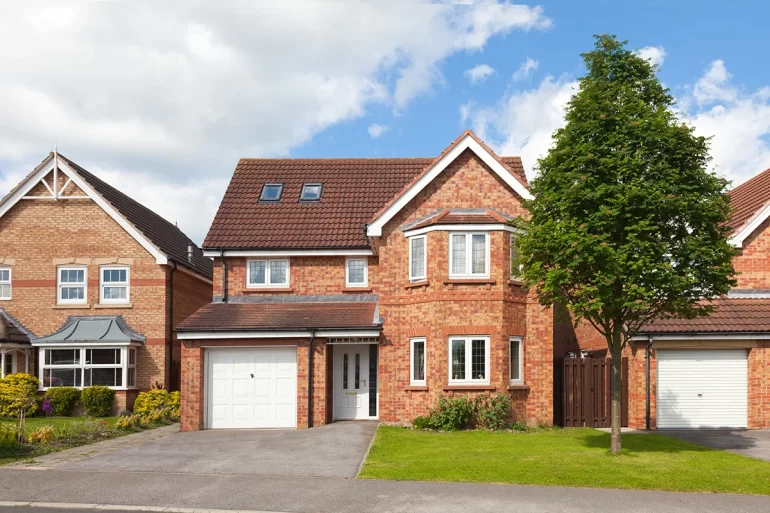
Most people assume that newer homes automatically make better investments. The logic seems obvious. Everything is modern and clean, requiring little to no work. There are fewer immediate repairs, fewer visible problems, and a sense of security that comes with buying something brand new. That thinking is exactly why many investors end up overpaying.
What looks easy is usually priced accordingly. What looks inconvenient is often where the real opportunity hides. Smart investors understand this difference. They are not looking for properties that feel comfortable on day one. They are looking for assets that can be improved, repositioned, and turned into something more valuable over time.
This is why older homes are quietly becoming the smarter investment choice. They may not look impressive at first glance, but they offer something new that rarely do. They give you the space to create value rather than pay for it upfront.
The Shift No One Is Talking About
The housing market has changed, but most people are still thinking the same way they did years ago. New builds are becoming more expensive due to rising construction costs, labor shortages, and developer margins. At the same time, many of these properties are being built with smaller plots and standardized layouts to maximize profitability.
Older homes sit in a completely different position. They are often overlooked because they require effort. Outdated interiors, worn exteriors, and visible maintenance issues make them less attractive to the average buyer.
That lack of demand creates a gap. Prices drop not because the property lacks value, but because it lacks appeal. And when the price drops below potential, an opportunity appears.
The Hidden Economics Behind Older Homes
Most buyers focus on condition. Investors focus on potential. An older home is often discounted because it needs work, but the structure is only one part of the equation. The land, the location, and the ability to improve the property all play a much bigger role in long-term value.
In many cases, the land continues to appreciate while the structure can be upgraded at a controlled cost. This creates a situation in which the property’s total value can be significantly increased without relying solely on market growth.
A new build, on the other hand, is usually priced close to its peak value. The developer has already accounted for upgrades, finishes, and profit margins. There is little room left for the buyer to add value without major changes.
Control Equals Profit
Control is what separates investing from buying. When you purchase a new build, most of the decisions have already been made. The layout is fixed, the finishes are chosen, and the pricing reflects a completed product. You are stepping into a finalized asset with limited flexibility.
Older homes offer the opposite experience. You can reshape them based on market demand. Layout improvements, structural upgrades, and targeted renovations all help you increase value.
This is where forced appreciation comes into play. Instead of waiting for the market to increase the price of your property, you actively create that increase yourself.
That control allows investors to:
- Raise property value through improvements
- Increase rental income
- Improve long-term durability
- Refinance based on higher equity
This is not passive investing. It is strategic value creation.
What New Builds Get Wrong
New construction is designed to sell quickly and appeal to as many buyers as possible. That approach makes sense for developers, but it limits the buyer’s ability to benefit from future improvements. Many new homes come with premium pricing, smaller lots, and uniform designs. They are built for efficiency and speed, not for long-term investment flexibility.
You are essentially paying for a finished product that has already been optimized for profit. The opportunity to add value later is minimal, as most obvious improvements have already been made. Older homes may not look impressive at first glance, but they offer something far more important. They offer room to improve.
The Renovation Advantage
Renovation is where older homes become powerful investment tools, but only when approached with the right mindset. Most people focus on surface-level upgrades like paint, fixtures, and finishes. While those changes can improve appearance, they do not always create meaningful value.
Smart investors focus on greater improvements that affect how the property performs over time. Upgrading electrical systems, improving plumbing, fixing structural weaknesses, and optimizing layouts all directly impact usability and value.
One upgrade that is often overlooked but extremely important is the installation of brick pointing. This process involves restoring the mortar between bricks, which helps maintain structural stability and prevents moisture from causing long-term damage.
Ignoring this kind of issue can lead to serious structural problems over time. Addressing it early not only protects the property but also increases its durability and market appeal. Buyers and tenants may not always notice it immediately, but it directly affects how long the property will last.
Imagine purchasing an older home that appears worn and undervalued. After addressing structural issues such as brick pointing installation and making targeted upgrades inside, the property becomes significantly stronger, more functional, and more attractive. Its value exceeds the combined cost of purchase and renovation.
Better Locations, Better Returns
Location is one of the few factors in real estate that cannot be changed, and older homes usually have the advantage here. They are often located in established neighborhoods with developed infrastructure, access to transportation, nearby schools, and consistent demand. These areas have already proven their value over time.
New developments are typically built where land is cheaper, which often means they are farther from central locations. While these areas may grow in the future, they come with uncertainty. Established neighborhoods offer stability. Demand is already there, which makes both resale and rental income more predictable.
The Durability Factor Most People Ignore
Many older homes were built when construction focused more on strength and longevity than on speed. This often results in stronger materials, better craftsmanship, and structures that have already proven their durability over decades.
That does not mean every older home is in perfect condition, but it does mean that many have a solid foundation that can be restored and improved. Modern construction can sometimes prioritize efficiency and cost control, potentially affecting long-term durability. Smart investors look beyond appearance and focus on what will last.
Sustainability and Smarter Use of Resources
There is also a growing awareness of sustainability in property investment. Renovating an existing structure uses fewer resources than building a new one from scratch.
This approach aligns with the concept of Adaptive reuse, where older buildings are improved rather than replaced. It reduces waste and makes better use of existing materials. For investors, this is not just about environmental impact. It is about efficiency and cost-effectiveness.
When New Builds Still Make Sense
New builds are not without advantages. They are ideal for buyers who want minimal maintenance and a property that is ready to use immediately. However, those benefits come at a cost. You are paying for convenience, and convenience often limits opportunities to create additional value.
Final Verdict
Most buyers focus on comfort. Smart investors focus on opportunity. Older homes offer the opportunity to buy below market value, improve strategically, and control the outcome. They offer better locations, stronger long-term returns, and the flexibility to create value rather than simply paying for it upfront.
New builds may look appealing, but they rarely offer the same level of opportunity. And in property investing, opportunity is what separates average results from serious returns.